The ketogenic diet, often called the keto diet, has gained widespread attention in recent years, but much of the conversation around it can feel overly technical or intimidating. In reality, understanding the benefits of a keto lifestyle does not have to be complicated. By focusing on simple ideas and practical habits, anyone can explore how this way of eating may support overall well-being without getting lost in confusing details.
At its core, the keto diet is about shifting how the body uses energy. Instead of relying primarily on carbohydrates for fuel, the body begins to use fat as its main source of energy. This natural metabolic state, known as ketosis, can sound complex, but the concept is straightforward. When carbohydrate intake is reduced, the body looks for another fuel source and turns to stored fat, converting it into molecules called ketones that provide steady energy.
One of the most talked-about benefits of the keto diet is its potential to support weight management. Many people find that when they reduce carbohydrates and increase healthy fats, they feel fuller for longer periods. This can lead to fewer cravings and less frequent snacking, which may naturally help reduce overall calorie intake. Unlike restrictive approaches that rely on constant hunger, keto often encourages satisfaction with meals, making it easier for some individuals to maintain consistency over time.
Another advantage is the potential for more stable energy levels throughout the day. Diets high in refined carbohydrates can sometimes lead to energy spikes followed by sudden drops, leaving people feeling tired or unfocused. By contrast, a keto approach emphasizes steady fuel from fats, which may help reduce these fluctuations. Many people report feeling more balanced and less dependent on frequent meals or sugary snacks to keep their energy up.
Mental clarity is another area where some individuals notice improvements. While experiences can vary, there is growing interest in how ketones may support brain function. Instead of the ups and downs associated with sugar-based energy, the brain can use ketones as a consistent fuel source. This may contribute to better focus and a clearer sense of thinking for some people, especially after the initial adjustment period.
The keto diet may also encourage a more mindful relationship with food. Because it involves paying attention to carbohydrate intake, individuals often become more aware of what they are eating. This awareness can lead to choosing whole, less processed foods such as vegetables, healthy fats, and quality protein sources. Over time, these choices may support overall nutritional balance and long-term habits that extend beyond any specific diet.
It is important to note that transitioning to a keto lifestyle can involve an adjustment phase. Some people experience temporary changes as the body adapts to using fat for fuel instead of carbohydrates. This period is sometimes referred to as the “keto adaptation phase.” During this time, staying hydrated and maintaining a balanced intake of nutrients can help ease the transition. Once the body adjusts, many people report feeling more comfortable and settled in their routine.
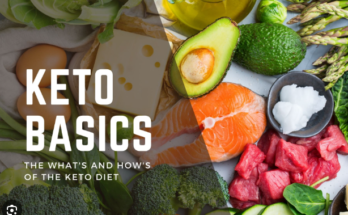
One of the reasons keto can feel overwhelming is the abundance of rules and calculations often presented online. However, it does not have to be approached with rigid perfection. A simpler method involves focusing on reducing obvious sources of sugar and refined carbohydrates while incorporating healthy fats like avocados, nuts, seeds, and olive oil. Pairing these with moderate amounts of protein and low-carbohydrate vegetables can create balanced, satisfying meals without the need for constant tracking.
Flexibility is also an important part of making any lifestyle sustainable. While some individuals prefer to follow strict guidelines, others benefit from a more relaxed approach that allows occasional adjustments. The key is finding a balance that supports personal goals while remaining practical and enjoyable. Consistency over time often matters more than short-term perfection.
Another appealing aspect of the keto diet is that it can be adapted to different preferences and cultural food traditions. Whether someone enjoys simple home-cooked meals or more creative recipes, there are many ways to incorporate keto-friendly choices. This adaptability helps make the approach more accessible and less restrictive than it might initially seem.
When considering any dietary change, it is always wise to listen to your body and make adjustments based on how you feel. What works well for one person may not be the same for another, and personal comfort and well-being should remain a priority. Taking a gradual approach and focusing on simple, nourishing foods can make the experience more positive and sustainable.
In addition to physical benefits, some people find that simplifying their eating habits reduces daily stress around food choices. Instead of constantly deciding what to eat or managing frequent hunger, having a clear framework can make meals feel more straightforward. This sense of ease can be just as valuable as any nutritional benefit, especially in busy lifestyles.
The keto diet does not need to be seen as an all-or-nothing commitment. Exploring its principles in a balanced and approachable way can help individuals discover what works best for them. Even small changes, such as reducing added sugars or incorporating more healthy fats, can contribute to a more stable and satisfying way of eating.
Ultimately, the benefits of the keto diet come down to simplicity and consistency. By focusing on whole foods, steady energy, and mindful choices, it is possible to experience positive changes without overcomplicating the process. Rather than getting caught up in strict rules or technical details, approaching keto with a flexible and practical mindset can make it a more enjoyable and sustainable option for those interested in trying it.
With a friendly and realistic perspective, the keto diet becomes less about restriction and more about understanding how different foods affect the body. This shift in thinking allows individuals to make informed choices that align with their goals while maintaining a sense of balance. Over time, this approach can support not only physical well-being but also a healthier and more relaxed relationship with food.