Staying organized with meals can feel like a daily challenge, especially when life gets busy and food decisions become rushed or inconsistent. Many people find themselves skipping meals, grabbing last-minute options, or struggling to maintain a routine that supports their goals. One approach that has gained attention for simplifying meal structure is the ketogenic diet, often referred to as keto. Beyond its nutritional framework, keto can naturally encourage better planning, consistency, and organization in the way meals are approached.
At its core, the ketogenic diet focuses on low carbohydrate intake, moderate protein, and higher healthy fats. This macronutrient balance shifts the body into a state called ketosis, where fat becomes the primary source of energy. While this metabolic aspect is often the main focus, the structure required to follow keto can also lead to improved habits around meal preparation and scheduling.
One of the most noticeable ways keto supports organization is by reducing decision fatigue. When following a standard eating pattern with a wide variety of options, it is easy to feel overwhelmed by choices. Keto narrows those options in a helpful way. By eliminating or significantly reducing high-carb foods like bread, pasta, and sugary snacks, individuals often rely on a consistent set of ingredients. This makes grocery shopping simpler and meal planning more predictable. Instead of wondering what to eat each day, many people rotate through a set of go-to meals that fit within their dietary goals.
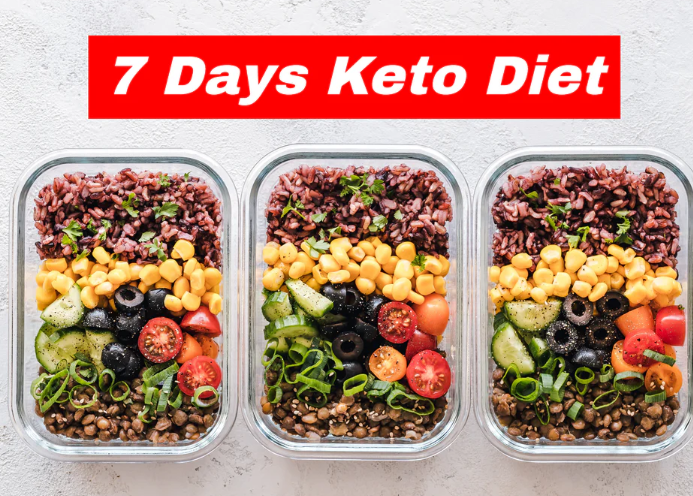
Meal prepping becomes more intuitive on keto because the diet encourages cooking ahead of time. Preparing meals in batches, such as roasted vegetables, grilled proteins, or portioned snacks, can save time throughout the week. When meals are already prepared and aligned with dietary needs, there is less temptation to deviate from a plan. This consistency not only supports dietary adherence but also reduces the stress of last-minute decisions.
Another benefit of keto for organization is the stability it can bring to hunger patterns. Because meals are typically rich in fats and proteins, they tend to be more satisfying and longer-lasting. Many people find that they naturally eat fewer times throughout the day, sometimes settling into two or three structured meals. This predictability can make it easier to plan a daily schedule around eating times. Instead of frequent snacking or irregular meals, keto often promotes a more defined rhythm.
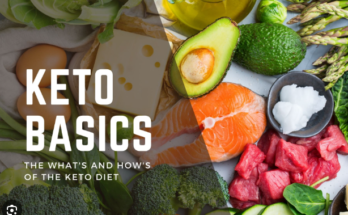
Shopping habits also tend to become more streamlined. A keto-friendly grocery list usually includes whole foods such as meats, eggs, low-carb vegetables, dairy, nuts, and oils. With a clear understanding of what fits within the diet, shoppers can move through stores more efficiently and avoid impulse purchases. Over time, this can lead to a more organized kitchen as well, since the ingredients on hand are intentional and aligned with planned meals.
In addition to simplifying choices, keto can encourage mindful eating. Since the diet requires awareness of macronutrients, individuals often pay closer attention to what they are consuming. This awareness can extend beyond numbers and into habits such as portion control, timing, and meal composition. Being more intentional about food naturally leads to better organization, as meals are no longer an afterthought but a planned part of the day.
Keto can also support the use of routines, which are key to staying organized. Many people who follow the diet develop consistent patterns, such as preparing meals on specific days, eating at similar times, or keeping certain staple foods readily available. These routines reduce uncertainty and make it easier to stay on track, even during busy periods.
Another helpful aspect is the compatibility of keto with simple meal structures. Meals often consist of a protein source, a healthy fat, and a low-carb vegetable. This straightforward formula removes complexity from meal planning. Instead of searching for elaborate recipes, individuals can quickly assemble balanced meals using familiar components. This simplicity saves time and reduces the likelihood of feeling overwhelmed.
For those who enjoy tracking progress, keto can also integrate well with planning tools. Many people use apps or journals to monitor their intake, plan meals, and organize shopping lists. This level of tracking can reinforce organizational habits and provide a sense of control. Over time, these tools can become part of a sustainable system that supports both dietary goals and daily efficiency.
It is important to approach keto in a balanced and flexible way. While structure can be helpful, overly rigid rules may feel restrictive for some individuals. Finding a version of the diet that fits personal preferences and lifestyle is key to maintaining consistency. Organization should feel supportive rather than stressful, and small adjustments can make a significant difference in long-term success.
Hydration, variety, and nutrient balance are also important considerations. Including a range of low-carb vegetables and healthy fats can help ensure meals remain satisfying and enjoyable. Rotating ingredients and trying new recipes can prevent monotony while still maintaining the overall structure that makes keto effective for organization.
In social situations or when dining out, planning ahead can further enhance the organizational benefits of keto. Reviewing menus in advance, choosing simple dishes, or making small modifications can help maintain consistency without added stress. These strategies reinforce the habit of thinking ahead, which is a cornerstone of staying organized.
Ultimately, the ketogenic diet can offer more than just a nutritional approach. Its structure encourages planning, simplifies choices, and supports routines that make daily life more manageable. By reducing decision fatigue, promoting meal prep, and fostering consistent habits, keto can help transform the way meals are organized.
For individuals seeking a more streamlined approach to eating, keto provides a framework that naturally supports organization. With thoughtful planning and a focus on simplicity, it becomes easier to maintain a routine that fits both dietary preferences and a busy lifestyle. Over time, these habits can lead to greater confidence in managing meals and a more balanced approach to everyday nutrition.