Starting a new way of eating can feel overwhelming, especially when it comes with rules that seem unfamiliar at first. The ketogenic diet, often called keto, is one of those approaches that can sound complicated but is actually quite simple once you understand the basics. At its core, keto is about changing how your body fuels itself. Instead of relying mainly on carbohydrates for energy, your body shifts to using fat as its primary fuel source.
When you eat a typical diet, your body breaks down carbohydrates into glucose, which becomes your main energy supply. On a keto diet, carbohydrate intake is kept very low. This encourages your body to enter a natural state called ketosis, where it burns fat for energy instead of glucose. This shift can support steady energy levels and may help some people manage their weight more effectively.
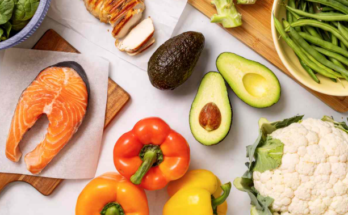
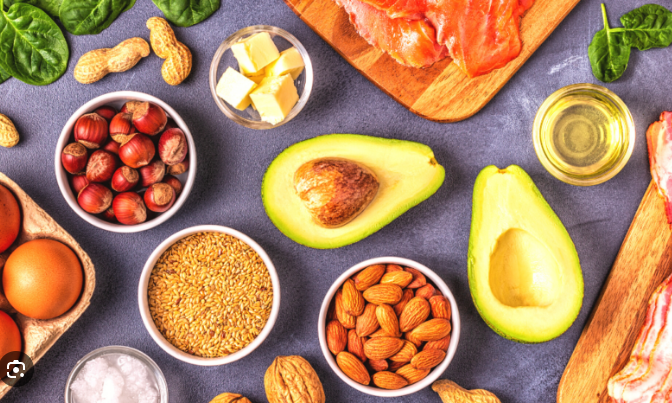
For beginners, the key to success is keeping things simple. Rather than focusing on complicated recipes or strict rules, it helps to understand which foods to include and which ones to limit. Foods that are commonly enjoyed on keto include meat, fish, eggs, full-fat dairy, nuts, seeds, and low-carbohydrate vegetables like leafy greens. Healthy fats such as olive oil, butter, and avocado also play an important role in this way of eating.
On the other hand, foods that are high in carbohydrates are reduced or avoided. This includes sugary snacks, bread, pasta, rice, and most processed foods. Even some fruits are limited because of their natural sugar content. While this might sound restrictive at first, many people find that there are still plenty of satisfying options available.
One helpful approach is to build meals around a simple structure. Start with a protein source like chicken, beef, or tofu. Add a generous portion of low-carb vegetables, then include a source of healthy fat to keep the meal satisfying. This combination can help you feel full and energized without relying on carbohydrates.
It is also important to pay attention to how your body responds during the early days of keto. As your body adjusts to burning fat for fuel, you might notice temporary changes such as fatigue or mild discomfort. This adjustment period is sometimes referred to as the “keto flu,” but it usually passes within a few days. Staying hydrated and making sure you get enough electrolytes can help ease this transition.
Planning ahead can make a big difference when starting keto. Having simple meals and snacks ready can help you stay on track, especially during busy days. Easy options might include boiled eggs, cheese, nuts, or pre-cooked meats. Keeping your kitchen stocked with keto-friendly foods reduces the temptation to reach for high-carbohydrate choices.
Another important aspect is consistency. You do not need to aim for perfection, but maintaining a generally low carbohydrate intake helps your body stay in ketosis. Over time, many beginners find that their cravings for sugary or processed foods decrease, making it easier to stick with the plan.
It is also worth noting that keto is not a one-size-fits-all approach. Everyone’s body is different, and what works well for one person may not be ideal for another. Listening to your body and adjusting your approach as needed can help you find a routine that feels sustainable. Some people follow keto strictly, while others adopt a more flexible version that still reduces carbohydrates without being overly rigid.
Hydration plays a key role in feeling your best on keto. Because your body processes fluids differently when carbohydrate intake is low, drinking enough water is especially important. Including foods that contain essential minerals can also support overall well-being.
As you become more familiar with keto, you may find it easier to experiment with new recipes and flavors. Many traditional meals can be adapted into lower-carbohydrate versions with simple substitutions. For example, vegetables can replace grains, and creative cooking methods can help recreate familiar textures and tastes.
Support can also make a difference when starting something new. Whether it is through friends, family, or online communities, sharing your experience and learning from others can help you stay motivated. Hearing how others have simplified their keto journey can provide useful ideas and encouragement.
It is helpful to keep your goals realistic and focus on gradual progress. Rather than expecting immediate results, think of keto as a long-term lifestyle adjustment. Small, consistent changes often lead to more lasting outcomes than quick, dramatic shifts.
If you ever feel unsure about your approach, seeking guidance from a qualified professional can provide clarity and reassurance. This is especially important if you have specific dietary needs or health considerations.
Keto for beginners does not need to be complicated or stressful. By focusing on simple meals, understanding the basics, and giving your body time to adjust, you can create a routine that feels manageable and enjoyable. With patience and a flexible mindset, many people find that keto becomes easier over time and fits naturally into their daily lives.