Starting a new way of eating can feel overwhelming, especially when it comes with unfamiliar rules and terminology. The ketogenic diet, often called keto, has gained widespread attention for its simple approach to food and its potential to support weight management and overall wellness. For beginners, the key is to focus on clarity, balance, and consistency rather than perfection.
At its core, the keto diet is a low-carbohydrate, high-fat approach to eating. Instead of relying on carbohydrates like bread, pasta, and sugar for energy, your body begins to use fat as its primary fuel source. This metabolic state is known as ketosis. While the concept may sound complex, getting started can be surprisingly straightforward with a little preparation.
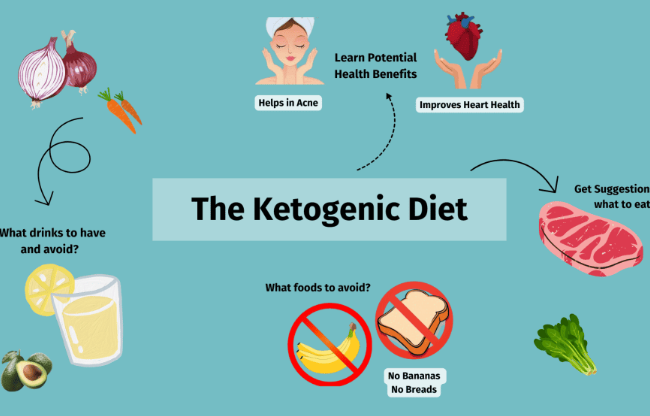
The first step is understanding what foods to include. Keto-friendly meals typically focus on whole, minimally processed ingredients. Healthy fats play a central role and can come from foods like avocados, olive oil, nuts, and seeds. Protein sources such as eggs, poultry, fish, and meat are also important. Low-carbohydrate vegetables like spinach, broccoli, zucchini, and cauliflower provide essential nutrients while keeping carb intake low.
Equally important is knowing what to limit. Foods high in sugar and refined carbohydrates are generally avoided on keto. This includes items like sugary drinks, baked goods, candy, and many packaged snacks. Even some fruits and starchy vegetables may need to be reduced because of their natural sugar content. While this might seem restrictive at first, many beginners find that there are still plenty of satisfying options available.
One of the most helpful strategies for beginners is meal planning. Taking time to think about what you will eat during the week can reduce stress and make it easier to stay on track. Simple meals such as grilled chicken with roasted vegetables or a salad topped with olive oil and salmon can be both delicious and easy to prepare. Having keto-friendly snacks on hand, like cheese or a handful of nuts, can also prevent the temptation to reach for high-carb alternatives.
Hydration is another important factor that is sometimes overlooked. When starting keto, the body may release more water than usual, which can lead to dehydration if you are not careful. Drinking enough water throughout the day helps maintain balance and supports overall well-being. Some people also find it helpful to include sources of electrolytes, such as sodium and potassium, through food or beverages.
As your body adapts to this new way of eating, you may experience temporary changes. Some beginners report feeling tired or sluggish during the first few days. This adjustment period is often referred to as the keto adaptation phase. It is usually short-lived and can be managed by staying hydrated, eating enough calories, and allowing your body time to adjust. Listening to your body and making gradual changes can make the transition smoother.
Another important aspect of keto is portion awareness. While the diet emphasizes fats, it does not mean eating unlimited amounts of any one food. Balance still matters. Paying attention to hunger cues and eating until satisfied rather than overly full can help create a sustainable routine. Over time, many people find that their appetite naturally becomes more regulated.
It is also helpful to approach keto with a flexible mindset. Everyone’s body is different, and what works for one person may not work exactly the same for another. Some individuals may choose a stricter version of keto, while others prefer a more moderate approach that allows for slightly higher carbohydrate intake. Finding what feels realistic and sustainable for your lifestyle is more important than following rigid rules.
Cooking at home can make a big difference when starting keto. Preparing your own meals gives you control over ingredients and helps you avoid hidden sugars or additives. It also allows you to experiment with flavors and discover new favorite dishes. Simple swaps, such as using cauliflower instead of rice or lettuce wraps instead of bread, can make familiar meals keto-friendly without sacrificing enjoyment.
Support and education can also play a key role in success. Reading about keto, trying new recipes, and connecting with others who are on a similar journey can provide motivation and encouragement. However, it is important to rely on balanced, trustworthy information and avoid extreme claims or unrealistic expectations.
Consistency is often more effective than perfection. It is normal to have occasional challenges or moments when you stray from your plan. Rather than feeling discouraged, focus on getting back on track with your next meal. Building sustainable habits takes time, and small, steady changes often lead to lasting results.
Sleep and stress management are additional factors that can influence your experience with keto. Getting enough rest and finding ways to relax can support your overall health and make it easier to maintain your routine. Simple practices such as taking a walk, practicing deep breathing, or setting aside time for hobbies can contribute to a more balanced lifestyle.
For beginners, one of the most empowering aspects of keto is its simplicity. By focusing on whole foods, reducing sugar intake, and paying attention to how your body responds, you can create a way of eating that feels both manageable and enjoyable. There is no need to rush or aim for perfection. Taking small steps and building confidence over time can make the journey more sustainable.
Before making significant changes to your diet, it can be helpful to consider your individual needs and preferences. If you have specific health concerns or dietary requirements, seeking guidance from a qualified professional may provide additional reassurance and support.
In the end, keto does not have to be complicated. With a clear understanding of the basics and a willingness to learn, beginners can ease into this lifestyle and discover what works best for them. By keeping your approach simple, staying consistent, and focusing on nourishing foods, you can make keto a practical and approachable part of your daily routine.