The ketogenic diet, often called keto, has gained widespread attention in recent years as a popular approach to eating and weight management. While many people are drawn to its promise of rapid results and simplicity, it is important to take a balanced and thoughtful view. Understanding both the potential benefits and the considerations involved can help individuals decide whether this style of eating aligns with their personal goals and lifestyle.
At its core, the keto diet is based on a significant reduction in carbohydrate intake, paired with an increased consumption of fats and a moderate intake of protein. By limiting carbohydrates, the body shifts from using glucose as its primary energy source to producing ketones from fat, a metabolic state known as ketosis. This shift is what makes keto distinct from many other dietary approaches.
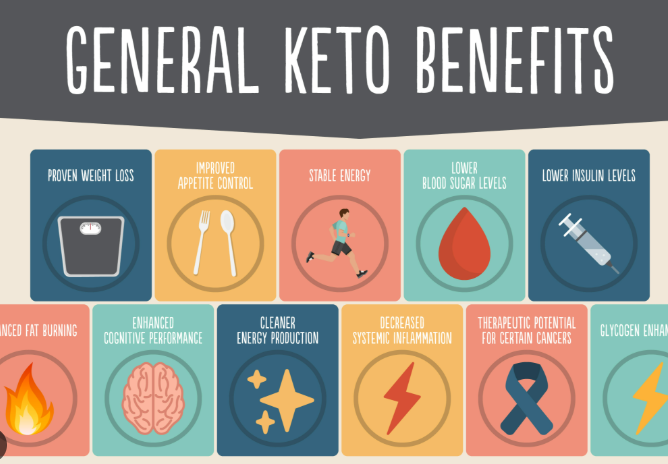
One of the reasons keto has become so popular is its association with weight loss. Some individuals report noticeable changes within a relatively short period, particularly in the early stages. This can be motivating and may encourage continued adherence. Additionally, the focus on fats and proteins can help some people feel fuller for longer, which may reduce overall calorie intake without strict portion control.
Beyond weight management, there is growing interest in how keto eating may support other aspects of health. Some research suggests that reducing carbohydrate intake can help stabilize blood sugar levels, which may be beneficial for certain individuals. Others find that they experience more consistent energy levels throughout the day, avoiding the peaks and dips that can sometimes accompany high-carbohydrate meals.
That said, a balanced perspective also means recognizing that keto is not a one-size-fits-all solution. Every person’s body responds differently to changes in diet, and what works well for one individual may not be suitable for another. For example, the restrictive nature of keto can make it challenging to maintain over the long term, especially in social situations or when dining out.
Another important consideration is nutritional balance. Because keto limits many foods that are traditionally considered part of a well-rounded diet, such as fruits, whole grains, and certain vegetables, it requires careful planning to ensure that essential nutrients are still being consumed. Without thoughtful choices, there is a risk of missing out on important vitamins, minerals, and fiber.
It is also worth noting that transitioning into ketosis can come with temporary side effects. Some people experience what is commonly referred to as the “keto flu,” which may include fatigue, headaches, or irritability as the body adjusts to a new energy source. While these symptoms are usually short-lived, they can be discouraging for those who are unprepared.
Sustainability is another key factor to consider when evaluating any dietary approach. A way of eating that feels overly restrictive or difficult to maintain may lead to cycles of starting and stopping, which can be frustrating and counterproductive. For some, a more flexible approach that incorporates elements of keto without strict adherence may feel more realistic and enjoyable.
Social and cultural factors also play a role in how a diet fits into daily life. Meals are often shared experiences, and dietary restrictions can sometimes create challenges in group settings. Finding ways to navigate these situations while maintaining a positive relationship with food is an important part of long-term success.
It is equally important to approach keto with a mindset of balance rather than extremes. Focusing solely on macronutrient ratios without considering the quality of foods can lead to choices that are technically aligned with keto but not necessarily supportive of overall well-being. Emphasizing whole, minimally processed foods can help create a more nourishing and satisfying experience.
For those considering keto, it may be helpful to start with clear and realistic expectations. Rather than viewing it as a quick fix, it can be more beneficial to see it as one of many possible tools for supporting health. Taking the time to learn about how it works and how to implement it thoughtfully can make a meaningful difference.
Listening to one’s body is another essential part of the process. Paying attention to how different foods and eating patterns affect energy, mood, and overall comfort can provide valuable insights. If something does not feel right, it is important to adjust accordingly rather than pushing through discomfort.
Professional guidance can also be a helpful resource. Consulting with a qualified nutrition professional can provide personalized insights and help ensure that dietary changes are both safe and effective. This can be especially important for individuals with specific health considerations or unique nutritional needs.
In the broader context of healthy living, diet is just one piece of the puzzle. Factors such as sleep, physical activity, stress management, and hydration all contribute to overall well-being. A balanced approach to keto should take these elements into account rather than focusing solely on food choices.
Ultimately, the appeal of keto lies in its ability to offer a structured and potentially effective approach to eating. For some individuals, it may provide a sense of clarity and direction that supports their goals. For others, a more moderate or varied approach may feel more sustainable and enjoyable.
A balanced look at keto eating acknowledges both its potential advantages and its limitations. By approaching it with curiosity, flexibility, and a focus on overall health, individuals can make informed decisions that align with their personal needs. Rather than seeking perfection, the goal can be to create a way of eating that feels supportive, realistic, and adaptable over time.
In the end, the best approach to nutrition is one that can be maintained with consistency and satisfaction. Whether keto becomes a long-term lifestyle or a short-term experiment, the insights gained along the way can contribute to a deeper understanding of what works best for each individual.