In a world filled with conflicting diet advice, complicated meal plans, and ever-changing nutrition trends, many people feel overwhelmed when trying to eat well. The ketogenic diet, commonly known as keto, has gained popularity not just for its potential health benefits, but also for the way it simplifies everyday nutrition. By focusing on a clear structure and reducing decision fatigue, keto can make healthy eating more approachable and sustainable for many individuals.
At its core, the ketogenic diet emphasizes a low-carbohydrate, moderate-protein, and high-fat approach to eating. This macronutrient balance encourages the body to enter a metabolic state called ketosis, where fat becomes the primary source of energy instead of carbohydrates. While the science behind ketosis is often discussed, what makes keto especially appealing is how it narrows food choices in a helpful and practical way.
One of the main ways keto simplifies nutrition is by reducing the number of decisions people need to make throughout the day. Traditional diets often involve counting calories, tracking multiple nutrients, and trying to balance portions from various food groups. This can quickly become exhausting. Keto, on the other hand, provides a more defined framework. Foods are generally categorized as either keto-friendly or not, which helps eliminate guesswork. Instead of debating between dozens of options, individuals can focus on a smaller set of satisfying, nutrient-dense foods.
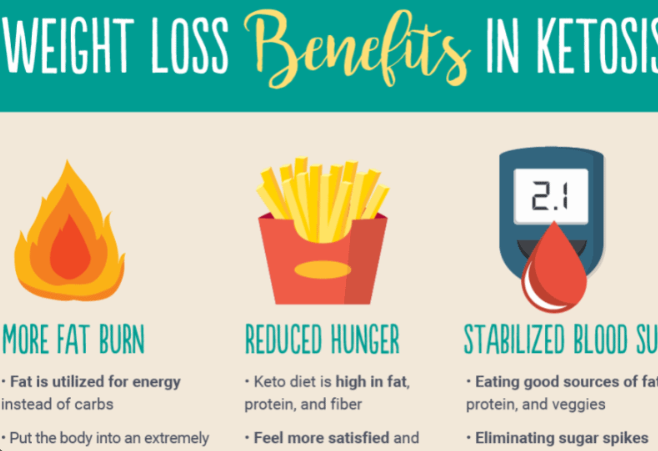
Another benefit of keto is that it often reduces the frequency of meals. Because high-fat foods tend to be more filling, many people find they feel satisfied for longer periods after eating. This naturally leads to fewer snacks and, in some cases, fewer meals overall. For those with busy schedules, this can be a significant advantage. Planning and preparing fewer meals can save time and reduce the stress associated with constant food preparation.
Keto also simplifies grocery shopping. When following this approach, shopping lists typically include whole foods such as meats, fish, eggs, low-carbohydrate vegetables, healthy fats like olive oil and butter, and some dairy products. By focusing on these staple items, shoppers can spend less time navigating aisles filled with processed foods and complicated ingredient lists. This streamlined approach can also make it easier to avoid impulsive purchases that may not align with health goals.
Meal preparation becomes more straightforward as well. Many keto meals rely on simple combinations of protein, vegetables, and fats. For example, a typical meal might consist of grilled chicken, sautéed vegetables, and a drizzle of olive oil. These types of meals do not require elaborate recipes or hard-to-find ingredients. As a result, even those who are new to cooking can feel more confident in the kitchen.
Another way keto contributes to simplicity is by reducing reliance on sugary and highly processed foods. These products often come with long ingredient lists and unclear nutritional value. By minimizing these items, individuals can focus on foods that are easier to understand and prepare. This shift can also help people become more mindful of what they are eating, leading to better long-term habits.
Consistency is another important factor. Because keto provides a clear structure, it can be easier to maintain over time compared to more flexible but confusing diets. When people know what is expected, they are more likely to stick with their plan. This consistency can support a more stable routine, which is often key to achieving and maintaining personal wellness goals.
In addition, keto may help simplify how people think about hunger and cravings. Many individuals report that once they adapt to the diet, they experience fewer sudden cravings and more stable energy levels throughout the day. This can make it easier to distinguish between true hunger and habitual eating. As a result, people may feel more in control of their choices without needing to rely on strict willpower.
Social situations and dining out can also become more manageable with a keto mindset. While restaurant menus can sometimes feel overwhelming, having a clear understanding of which foods align with keto makes it easier to choose suitable options. For instance, meals centered around protein and vegetables are widely available in many dining settings. This allows individuals to participate in social experiences without feeling restricted or confused.
It is important to note that simplicity does not mean a lack of variety. Within the keto framework, there is still plenty of room for creativity and enjoyment. Different cuisines can be adapted to fit keto guidelines, and a wide range of flavors and ingredients can be explored. Over time, many people discover new favorite meals and develop a deeper appreciation for whole foods.
For those considering keto, it can be helpful to start gradually and focus on building a routine that feels sustainable. Learning which foods fit the approach and experimenting with simple recipes can make the transition smoother. As with any dietary change, it is wise to pay attention to individual needs and preferences, and to seek guidance from qualified professionals if necessary.
Ultimately, the appeal of keto lies not only in its potential health benefits, but also in its ability to bring clarity to everyday eating. By narrowing choices, reducing complexity, and promoting satisfying meals, keto offers a practical way to simplify nutrition. In a fast-paced world where time and mental energy are often limited, this straightforward approach can make healthy eating feel more achievable and less overwhelming.
By focusing on what to include rather than what to avoid, and by building meals around simple, whole ingredients, many people find that keto helps them create a more balanced and manageable relationship with food. This sense of simplicity can be a powerful tool in supporting long-term wellness and a more relaxed approach to nutrition.