Starting something new with your health can feel both exciting and overwhelming. If you’ve been hearing about the ketogenic diet and are curious whether it might be a good fit, you’re not alone. Keto has gained attention for its potential to support weight management, steady energy levels, and a more mindful approach to eating. The good news is that understanding the basics doesn’t have to be complicated. With a clear and balanced perspective, you can explore keto in a way that feels sustainable and positive.
At its core, the ketogenic diet is a way of eating that focuses on reducing carbohydrates while increasing healthy fats and maintaining moderate protein intake. The goal is to encourage your body to enter a state called ketosis, where it uses fat as its primary source of fuel instead of carbohydrates. This shift can help your body become more efficient at burning stored fat for energy, which is one of the reasons many people find keto appealing.
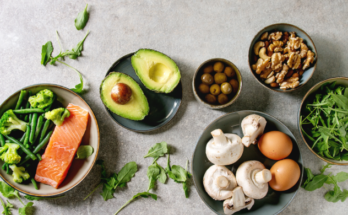
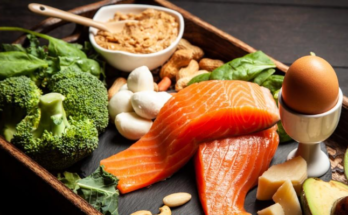
A helpful way to think about keto is not as a restrictive diet, but as a different way of fueling your body. Instead of relying on foods like bread, pasta, and sugary snacks, keto emphasizes whole foods such as avocados, eggs, nuts, seeds, oils, and non-starchy vegetables. Proteins like fish, poultry, and meat also play an important role. This approach can encourage more intentional food choices and a closer connection to what you eat.
When starting keto, one of the most important steps is understanding which foods to prioritize and which to limit. Carbohydrates are typically reduced to a low daily amount, often around 20 to 50 grams, depending on individual needs. This means cutting back on foods like refined grains, sugary beverages, and many processed snacks. Instead, meals are built around nutrient-dense ingredients that provide lasting satisfaction.
Fat becomes the main energy source in keto, but it’s important to focus on quality. Healthy fats from sources like olive oil, avocados, nuts, and fatty fish are encouraged. These foods not only support energy needs but also contribute essential nutrients. Choosing a variety of these fats can help keep meals interesting and balanced.
Protein is another key part of keto, though it’s best consumed in moderate amounts. Too much protein can sometimes interfere with the body’s ability to stay in ketosis, while too little may leave you feeling unsatisfied. Finding the right balance can take a little experimentation, and that’s perfectly normal when starting out.
One common experience for beginners is what people often call the “keto flu.” This is a temporary adjustment period where your body adapts to using fat for fuel. You might feel a bit tired or sluggish for a few days, but staying hydrated, getting enough electrolytes, and allowing your body time to adjust can make a big difference. Many people find that once they move past this phase, their energy levels become more stable.
Planning meals ahead of time can make your transition into keto much smoother. Having simple, go-to meals can help reduce decision fatigue and keep you on track. For example, a breakfast of eggs and avocado, a lunch with leafy greens and grilled chicken, and a dinner featuring salmon with roasted vegetables can provide a satisfying and balanced day of eating. Keeping snacks like nuts or cheese on hand can also help you avoid reaching for high-carb options.
It’s also important to listen to your body throughout the process. Everyone’s experience with keto is different, and what works for one person may not work exactly the same for another. Paying attention to how you feel, both physically and mentally, can guide you in making adjustments that suit your lifestyle. Flexibility and patience are key components of long-term success.
Another helpful mindset is to focus on progress rather than perfection. Starting keto doesn’t mean you have to get everything right from day one. Small, consistent changes often lead to more lasting results than trying to overhaul everything at once. If you have a day that doesn’t go as planned, it’s simply an opportunity to learn and move forward.
Hydration plays a bigger role on keto than many people expect. When carbohydrate intake is reduced, the body tends to release more water, which can lead to increased fluid needs. Drinking enough water and including sources of electrolytes like sodium, potassium, and magnesium can help maintain balance and support overall well-being.
Social situations and dining out can also be navigated with a bit of preparation. Many restaurants offer flexible options that can be adapted to fit a keto lifestyle. Choosing dishes centered around protein and vegetables, and requesting simple substitutions, can make it easier to stay aligned with your goals without feeling restricted.
It’s worth noting that while keto can be a helpful approach for many people, it’s always a good idea to consider your individual needs and, if necessary, consult with a qualified professional before making significant dietary changes. A thoughtful approach ensures that your choices support your overall health and well-being.
A fresh start with keto is not about chasing quick results or following rigid rules. It’s about building a sustainable way of eating that supports your energy, focus, and confidence. By understanding the basics, choosing nourishing foods, and approaching the process with curiosity rather than pressure, you can create a positive and rewarding experience.
As you begin, remember that every step forward counts. Whether you’re preparing your first keto-friendly meal or simply learning more about how your body responds, you are making progress. With time, consistency, and a supportive mindset, keto can become a natural and enjoyable part of your daily routine.