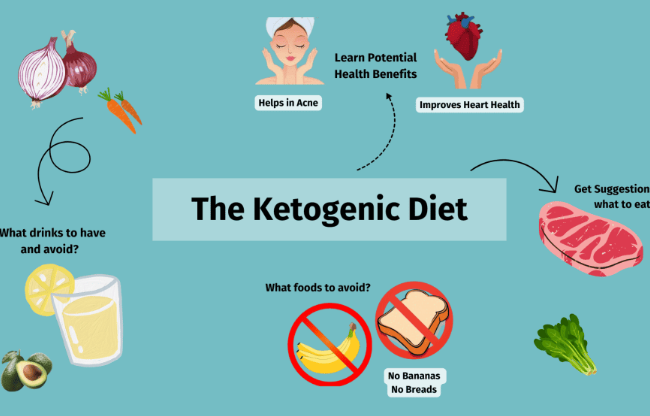
The ketogenic diet, often called keto, has gained widespread popularity because of its simplicity, flexibility, and the way it naturally fits into everyday life. While many diets feel restrictive or overly complicated, keto stands out as an approach that many people find surprisingly easy to maintain once they understand the basics. Its appeal comes from a combination of clear guidelines, satisfying foods, and a structure that reduces the need for constant decision-making.
At its core, the ketogenic diet focuses on reducing carbohydrate intake while increasing healthy fats and maintaining moderate protein consumption. This shift encourages the body to enter a metabolic state known as ketosis, where it uses fat as its primary source of energy instead of carbohydrates. Although that might sound technical at first, the actual day-to-day practice is straightforward. People simply learn which foods to emphasize and which to limit, and over time, those choices become second nature.
One of the main reasons keto feels easy to follow is that it does not require complicated calorie counting for many individuals. Unlike traditional diets that demand precise tracking of every meal and snack, keto often works by guiding food choices rather than strict numerical limits. When people focus on eating low-carbohydrate foods such as vegetables, meats, eggs, nuts, and healthy oils, they naturally reduce their intake of processed and sugary items. This simplicity removes much of the mental burden associated with dieting.
Another factor that makes keto approachable is the sense of satiety it provides. Meals rich in healthy fats and protein tend to be more filling than those centered around refined carbohydrates. As a result, people often feel satisfied for longer periods after eating. This can lead to fewer cravings and less frequent snacking, which helps create a more relaxed relationship with food. Instead of constantly thinking about the next meal, individuals can focus on other aspects of their day.
Keto also offers a wide variety of food options, which helps prevent boredom. Many people are pleasantly surprised to discover that they can still enjoy flavorful meals while following this approach. Foods like avocados, cheese, eggs, fish, and a range of vegetables can be combined in countless ways. With a little creativity, meals remain interesting and enjoyable. This variety makes it easier to stick with the diet over time because it does not feel repetitive or limiting.
The learning curve for keto is relatively gentle. While there is an initial adjustment period as the body adapts to using fat for energy, most people find that the guidelines quickly become familiar. Reading food labels and understanding basic macronutrients may take some practice, but these skills are easy to develop. Once established, they simplify grocery shopping and meal planning. Over time, many individuals no longer need to think carefully about every choice because they have built a routine that works for them.
Meal preparation on keto can also be straightforward. Many meals involve simple combinations of whole foods that require minimal processing. For example, a typical meal might include a protein source, a serving of vegetables, and a healthy fat. These components can be prepared in a variety of ways without requiring advanced cooking skills. This ease of preparation makes keto accessible even for those with busy schedules or limited experience in the kitchen.
Social situations and dining out can feel manageable on keto as well. Many restaurants offer dishes that can be adapted to fit the diet, such as grilled meats, salads, and vegetable-based sides. By making small adjustments, like skipping sugary sauces or substituting high-carbohydrate sides, individuals can enjoy meals outside the home without feeling restricted. This flexibility helps maintain a sense of normalcy and reduces the likelihood of feeling isolated due to dietary choices.
Another reason keto is often considered easy to follow is the clarity of its rules. Instead of juggling multiple guidelines, people focus primarily on reducing carbohydrates. This single guiding principle simplifies decision-making. When faced with a food choice, the question becomes straightforward: is this low in carbohydrates? This clarity reduces confusion and helps build confidence in maintaining the diet.
Many individuals also appreciate the steady energy levels that can come with keto. By relying on fat as a consistent energy source, some people experience fewer fluctuations in energy throughout the day. This can translate into a more stable routine, making it easier to stay focused and productive. Feeling physically balanced often reinforces the desire to continue with the diet.
Keto can also align well with personal preferences and cultural eating habits. Because it emphasizes whole foods rather than specific branded products, it can be adapted to suit a wide range of cuisines and tastes. Whether someone enjoys simple home-cooked meals or more elaborate dishes, keto provides enough flexibility to accommodate different styles of eating. This adaptability makes it easier for individuals to integrate the diet into their existing lifestyle rather than feeling like they must adopt an entirely new way of living.
Support and resources for keto are widely available, which further contributes to its ease of use. From recipes and meal ideas to general guidance, there is an abundance of information that can help beginners get started and stay on track. Having access to these resources makes the transition smoother and helps individuals feel more confident in their choices.
It is also worth noting that keto encourages mindfulness about food without requiring perfection. People can approach the diet in a way that suits their goals and comfort level. Small adjustments and gradual changes are often enough to see progress, which reduces the pressure to follow rigid rules. This balanced approach makes keto feel more sustainable over the long term.
In conclusion, the ketogenic diet is easy to follow for many people because it combines simplicity, satisfying foods, and flexible guidelines. By focusing on reducing carbohydrates and embracing a variety of nutrient-dense options, individuals can create a routine that fits naturally into their daily lives. The diet’s straightforward structure, along with its ability to reduce hunger and simplify meal planning, makes it an appealing choice for those seeking a practical and sustainable way of eating.