The ketogenic diet, often called keto, has become one of the most talked-about approaches to eating in recent years. While it may sound complex at first, the basic idea is surprisingly simple. The keto diet focuses on reducing carbohydrates and increasing healthy fats so the body can switch its primary fuel source. Instead of relying on sugar from carbs, the body begins to use fat for energy, producing compounds known as ketones. This natural metabolic state is called ketosis.
Understanding how this shift works can make the keto diet feel much more approachable. Under normal circumstances, most people rely heavily on carbohydrates from foods like bread, pasta, rice, and sugary snacks. These carbs break down into glucose, which fuels the body. When carb intake is significantly reduced, glucose becomes limited, and the body adapts by turning to stored fat for energy. This is the core principle behind keto.
One of the reasons people are drawn to the keto diet is its potential to support weight management. By encouraging the body to burn fat for fuel, many individuals notice changes in body composition over time. Additionally, fats and proteins tend to be more satisfying than simple carbohydrates, which may help reduce overeating. Feeling full for longer periods can make it easier to maintain a consistent eating routine without constant snacking.
Beyond weight management, some people explore keto for its potential role in supporting steady energy levels. Since fat is a more stable fuel source than carbohydrates, it may help avoid the rapid spikes and crashes often associated with high-sugar diets. This can translate into more consistent energy throughout the day, which many find beneficial for daily activities and focus.
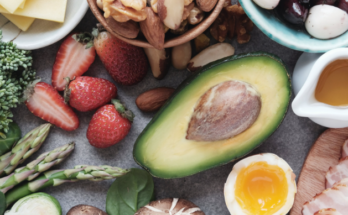
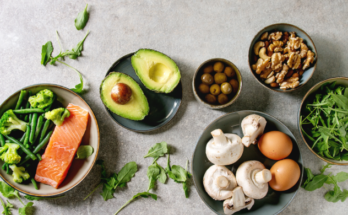
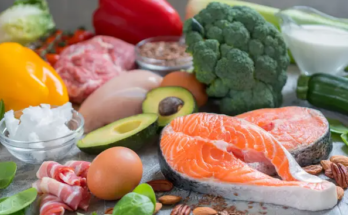
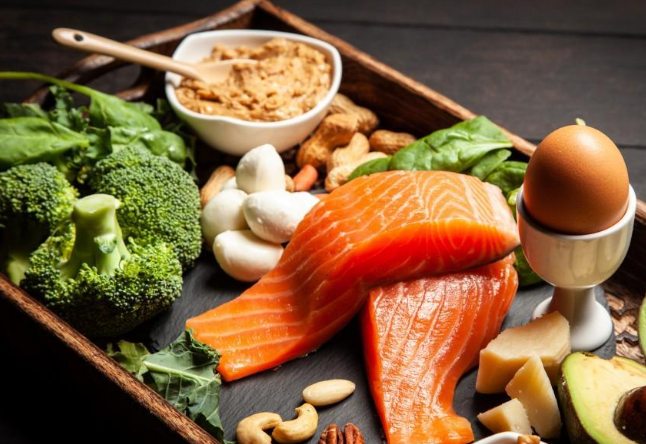
Getting started with keto does not require complicated rules, but it does involve a shift in food choices. Instead of building meals around grains or sugars, keto emphasizes foods rich in healthy fats and moderate amounts of protein. Examples include avocados, nuts, seeds, eggs, fish, and oils like olive or coconut oil. Low-carbohydrate vegetables such as leafy greens, zucchini, and broccoli also play an important role, providing essential nutrients and fiber.
At the same time, certain foods are typically limited or avoided. These include sugary drinks, sweets, refined grains, and many processed snacks. Even some fruits and starchy vegetables are reduced due to their natural sugar content. While this might seem restrictive at first, many people find that exploring new recipes and ingredients adds variety and creativity to their meals.
It is also helpful to understand that transitioning into ketosis can take time. During the early stages, some individuals experience temporary symptoms as the body adapts. These may include fatigue, headaches, or changes in appetite. Often referred to informally as the “keto flu,” these effects are usually short-lived and can be eased by staying hydrated and maintaining balanced electrolyte intake.
Planning meals ahead of time can make the keto lifestyle easier to follow. Simple strategies such as preparing ingredients in advance or choosing straightforward recipes can reduce stress and save time. For example, a typical day might include eggs and avocado for breakfast, a salad with grilled chicken and olive oil for lunch, and a dinner featuring fish with roasted vegetables. Snacks, if needed, might include nuts or cheese in moderate portions.
Another important aspect of keto is paying attention to overall balance. While fats are a key part of the diet, choosing high-quality sources is essential. Whole, minimally processed foods tend to provide more nutritional value than heavily processed options. This approach supports not just dietary goals but overall well-being.
Hydration is another factor that should not be overlooked. As carbohydrate intake decreases, the body may release more water, which can lead to increased fluid needs. Drinking enough water throughout the day helps maintain comfort and supports normal bodily functions.
For those considering keto, it can be helpful to approach it with flexibility and awareness. Not every person responds the same way to dietary changes, and individual needs can vary. Some may choose to follow keto strictly, while others adopt a more moderate low-carb approach that still aligns with their lifestyle. Listening to the body and making gradual adjustments often leads to a more sustainable experience.
It is also worth noting that keto does not have to be an all-or-nothing commitment. Some people incorporate elements of the diet into their routine without fully committing to strict carbohydrate limits. This can include reducing processed sugars, increasing healthy fats, or simply becoming more mindful of food choices. Even small changes can contribute to positive habits over time.
Social situations and dining out can feel challenging at first, but they become easier with a bit of planning. Many restaurants offer options that can be adapted, such as protein-based dishes paired with vegetables instead of starches. Asking simple questions or making small substitutions can help maintain consistency without feeling restricted.
Education plays a key role in making keto approachable. Understanding food labels, recognizing hidden sugars, and learning how to balance meals can empower individuals to make informed decisions. Over time, these skills become second nature, making the lifestyle feel less like a diet and more like a natural way of eating.
Ultimately, the keto diet is about shifting how the body fuels itself and making intentional choices around food. By focusing on whole ingredients, staying hydrated, and approaching the process with patience, many people find it to be a manageable and rewarding approach. Keeping things simple, flexible, and balanced can help make the journey smoother and more enjoyable.
Keto does not require perfection. It is about progress, learning, and finding what works best for each individual. With a clear understanding of the basics and a willingness to adapt, anyone can explore keto in a way that fits their goals and lifestyle.