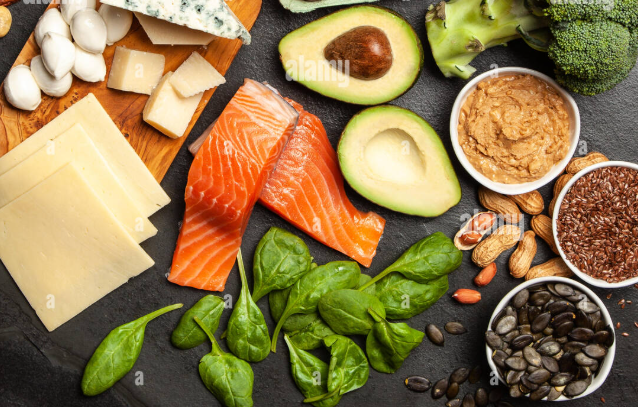
The ketogenic diet, often called keto, has steadily evolved from a niche nutritional approach into a widely recognized lifestyle choice embraced by millions around the world. Its continued growth is not simply the result of passing trends or social media hype. Instead, it reflects a combination of scientific interest, practical results, and shifting attitudes toward health, food, and personal well-being.
At its core, the keto diet is based on reducing carbohydrate intake and increasing healthy fats, encouraging the body to enter a metabolic state known as ketosis. In this state, the body relies on fat rather than glucose as its primary energy source. While the concept has been around for decades, especially in clinical settings, its mainstream appeal has expanded significantly in recent years.
One reason keto continues to gain attention is the growing awareness of how diet affects overall health. People are becoming more mindful of what they eat and how it influences energy levels, mood, and long-term wellness. Keto offers a structured yet flexible approach that aligns with these concerns. Many individuals report feeling more in control of their eating habits, which can lead to better consistency over time.
Another factor contributing to keto’s growth is its adaptability. Unlike rigid diet plans that require strict calorie counting or complicated meal timing, keto can be adjusted to suit different lifestyles. Whether someone prefers home-cooked meals or dining out, there are ways to maintain a low-carbohydrate approach without feeling overly restricted. This flexibility makes it easier for people to integrate keto into their daily routines.
The rise of digital resources has also played a major role. Online communities, recipe platforms, and educational content have made it easier than ever to understand and follow keto principles. Beginners can quickly find guidance, meal ideas, and practical tips, reducing the barrier to entry. This accessibility has helped transform keto from a specialized diet into a widely supported lifestyle.
In addition, the food industry has responded to increased demand by offering more keto-friendly products. From low-carb snacks to alternative flours and sweeteners, these options make it simpler for individuals to maintain their dietary preferences without sacrificing convenience. As availability continues to expand, more people feel encouraged to explore keto without feeling limited in their choices.
Another reason keto remains popular is the emphasis on whole, nutrient-dense foods. While interpretations of the diet can vary, many people focus on incorporating vegetables, quality proteins, and healthy fats into their meals. This approach aligns with broader health trends that prioritize natural and minimally processed ingredients. As a result, keto often appeals to those looking to make more mindful food decisions.
Personalization also plays a key role in keto’s ongoing growth. Individuals can tailor the diet to fit their specific goals and preferences, whether they are focused on general wellness, fitness, or simply maintaining a balanced routine. This sense of ownership can make the experience more sustainable and enjoyable over time.
The conversation around keto has also become more balanced and informed. Rather than presenting it as a one-size-fits-all solution, many discussions now highlight the importance of understanding individual needs and consulting reliable sources. This thoughtful approach helps build trust and encourages responsible adoption.
Cultural shifts toward preventive health care further support keto’s popularity. People are increasingly interested in proactive ways to support their well-being, and dietary choices are a natural starting point. Keto offers a clear framework that many find approachable, especially when combined with other healthy habits such as regular physical activity and adequate rest.
It is also worth noting that keto’s growth is supported by ongoing research and curiosity within the scientific community. While studies continue to explore its potential applications and long-term effects, this attention contributes to broader awareness and informed discussion. As more information becomes available, individuals are better equipped to decide whether keto aligns with their personal goals.
Social influence cannot be overlooked either. As more people share their experiences, recipes, and lifestyle adjustments, keto becomes more visible and relatable. This sense of community can be encouraging, especially for those who are just starting out. Seeing others navigate similar challenges and successes helps create a supportive environment.
Another aspect that contributes to keto’s appeal is its simplicity in principle. By focusing on reducing carbohydrates and prioritizing fats and proteins, the diet provides a clear guideline that many find easy to understand. This straightforward approach can be less overwhelming compared to diets that involve complex rules or frequent changes.
As lifestyles become busier, people often look for approaches that fit into their schedules without adding unnecessary stress. Keto can be adapted to meal prepping, quick recipes, or even simplified eating patterns, making it practical for a wide range of individuals. This convenience is an important factor in its continued adoption.
The global nature of keto’s growth also highlights its versatility. Different cultures have adapted the principles to suit local cuisines and ingredients, demonstrating that it is not limited to a specific region or food tradition. This adaptability allows people to maintain a sense of familiarity while exploring new dietary patterns.
Looking ahead, keto’s continued growth will likely be shaped by innovation, education, and evolving consumer preferences. As more people seek balanced and sustainable ways to support their well-being, keto remains a relevant option among many dietary approaches. Its ability to adapt, combined with increasing awareness and accessibility, suggests that it will continue to be part of the broader conversation around health and nutrition.
Ultimately, the reason keto continues to grow lies in its combination of simplicity, flexibility, and alignment with modern health interests. While it may not be the right fit for everyone, its widespread appeal reflects a larger shift toward intentional living and informed choices. As individuals continue to explore what works best for their bodies and lifestyles, keto stands as one of many pathways that people consider on their journey toward well-being.