The ketogenic diet, often called keto, has become a popular way of eating for people who want to improve their overall wellness, manage weight, and develop healthier habits. At its core, keto is not about restriction or complicated rules. Instead, it is a simple shift in how your body gets energy, moving away from relying on carbohydrates and toward using fat as its primary fuel source.
To understand keto, it helps to know how the body normally works. Most people consume a diet that is rich in carbohydrates such as rice, bread, pasta, and sugary foods. These carbohydrates are broken down into glucose, which the body uses for energy. When you reduce carbohydrate intake significantly, your body enters a natural state called ketosis. In this state, the body begins breaking down fat into molecules called ketones, which then serve as an alternative energy source.
Starting keto does not require extreme changes overnight. A gradual approach often feels more manageable and sustainable. The general idea is to reduce carbohydrates while increasing healthy fats and maintaining moderate protein intake. Many people begin by cutting back on refined sugars and processed foods, then slowly lowering their intake of high-carb staples.
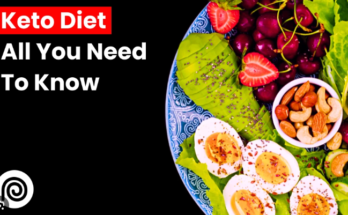
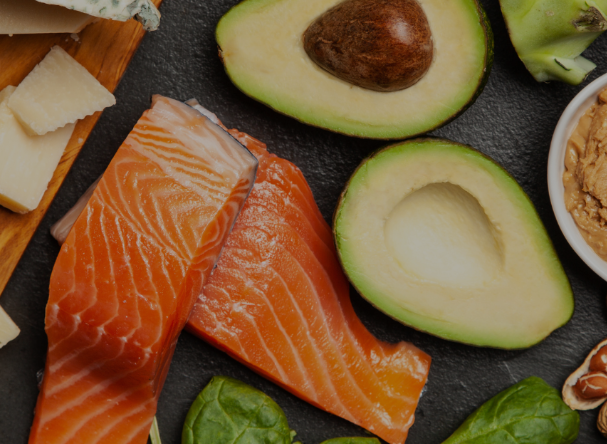
Foods that fit well into a keto lifestyle include healthy fats like avocados, nuts, seeds, and olive oil. Protein sources such as eggs, fish, poultry, and meat are also important. Non-starchy vegetables like leafy greens, broccoli, zucchini, and peppers provide essential nutrients while keeping carbohydrate levels low. These foods can be combined in many creative ways to make meals satisfying and enjoyable.
One of the most appealing aspects of keto is that it encourages whole, minimally processed foods. This can naturally lead to better eating habits, as people become more mindful of what they consume. Cooking at home becomes more rewarding, and many find they enjoy experimenting with new recipes and flavors.
It is common for beginners to experience a short adjustment period when starting keto. During this time, the body is adapting to using fat for fuel instead of carbohydrates. Some people may feel low energy or notice changes in appetite. Staying hydrated and ensuring a balanced intake of nutrients can make this transition smoother. These effects are usually temporary and tend to improve as the body adjusts.
Meal planning can be a helpful tool for maintaining consistency. Preparing meals in advance reduces the temptation to reach for convenient, high-carb options. Keeping keto-friendly snacks available, such as nuts or cheese, can also make it easier to stay on track during busy days. Over time, these habits become second nature and require less effort.
Another benefit often associated with keto eating is a sense of steady energy throughout the day. Without the spikes and drops that can come from high sugar intake, many people report feeling more balanced. This can support productivity and help maintain focus, especially during long work or study sessions.
It is important to remember that keto is not a one-size-fits-all approach. Each person’s body responds differently, and personal preferences, cultural foods, and lifestyle should all be considered. Some individuals choose to follow keto strictly, while others adopt a more flexible version that still reduces carbohydrates but allows occasional variations.
Listening to your body is essential. Paying attention to how you feel, your energy levels, and your overall well-being can guide you in adjusting your approach. If something does not feel right, small changes can make a big difference. The goal is to create a way of eating that feels supportive and sustainable over time.
Social situations and dining out can also be managed with a bit of planning. Many restaurants offer dishes that can be adapted, such as grilled proteins with vegetables instead of high-carb sides. Being aware of menu options ahead of time can make these experiences more relaxed and enjoyable.
Hydration plays an important role in any eating plan, including keto. Drinking enough water helps support overall health and can assist the body during the transition into ketosis. Including a variety of nutrient-rich foods also helps ensure that the body receives essential vitamins and minerals.
For those interested in trying keto, setting realistic expectations can make the journey more positive. Rather than focusing on quick results, it can be helpful to think about long-term habits and gradual improvements. Small, consistent changes often lead to more lasting outcomes.
Keto eating can also encourage a more mindful relationship with food. By paying attention to ingredients and portion sizes, people often develop a greater appreciation for the meals they prepare and consume. This awareness can extend beyond the diet itself and influence other areas of daily life.
Incorporating variety into meals keeps the experience enjoyable. Trying different cuisines, spices, and cooking methods prevents boredom and helps maintain motivation. From simple home-cooked dishes to creative recipes, there are many ways to keep keto meals interesting and satisfying.
Ultimately, a helpful guide to keto eating is about understanding the basics, making thoughtful choices, and adapting the approach to suit your lifestyle. It is not about perfection, but about progress and finding what works best for you. With patience and consistency, keto can become a comfortable and rewarding way of eating that supports a balanced and healthy routine.