Adopting a new way of eating can feel overwhelming at first, especially when it involves changing habits that have been part of your daily routine for years. The ketogenic lifestyle, often called keto, is one such approach that has gained widespread attention for its simplicity and effectiveness when followed thoughtfully. At its core, keto focuses on reducing carbohydrate intake while increasing healthy fats, allowing the body to shift into a metabolic state known as ketosis. In this state, the body uses fat as its primary source of energy instead of carbohydrates.
This guide is designed to help you understand keto in a practical, friendly way without pressure or extreme expectations. The goal is to support a balanced, sustainable lifestyle rather than promote quick fixes or unrealistic outcomes.
The foundation of keto begins with understanding macronutrients. Carbohydrates, fats, and proteins all play different roles in the body. In a traditional diet, carbohydrates are the main energy source. However, when carb intake is reduced significantly, the body adapts by breaking down fats into molecules called ketones, which become an alternative fuel source. This shift does not happen instantly and may take a few days to a week, depending on the individual.
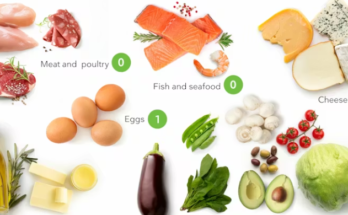
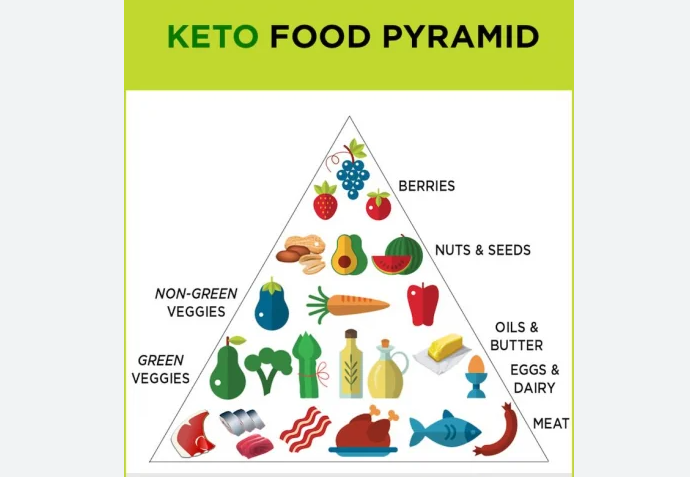
A common approach to keto involves keeping daily carbohydrate intake low, typically between 20 to 50 grams, while increasing healthy fats such as avocados, nuts, seeds, olive oil, and fatty fish. Protein is consumed in moderate amounts to support muscle health without interfering with ketosis. The emphasis is on whole, minimally processed foods rather than packaged or artificial products.
Starting keto does not require perfection. Many people find success by making gradual changes, such as replacing sugary drinks with water or herbal tea, choosing leafy greens instead of starchy sides, or cooking meals at home more often. These small adjustments can build confidence and help the transition feel manageable.
One of the most talked-about experiences when starting keto is the adjustment phase, sometimes referred to as the “keto flu.” This may include temporary feelings of fatigue, headaches, or irritability as the body adapts to using fat for energy. Staying hydrated, getting enough electrolytes, and allowing time for rest can help ease this transition. It is important to listen to your body and make adjustments as needed rather than pushing through discomfort.
Meal planning plays a key role in maintaining a keto lifestyle. Having simple, satisfying options available can prevent the temptation to fall back into old habits. A typical day might include eggs cooked with vegetables for breakfast, a salad with grilled chicken and olive oil for lunch, and a dinner featuring fish or meat paired with non-starchy vegetables. Snacks, if needed, can include nuts, cheese, or low-carb yogurt alternatives.
It is equally important to approach keto with a flexible mindset. Social events, travel, and cultural traditions are part of life, and finding ways to adapt rather than restrict completely can make the lifestyle more enjoyable. For example, choosing grilled dishes instead of fried ones, or focusing on protein and vegetables when dining out, allows you to stay aligned with your goals without feeling isolated.
Another helpful aspect of keto is becoming more aware of food labels and ingredients. Many processed foods contain hidden sugars and carbohydrates that can add up quickly. Learning to read labels and recognize different forms of sugar can empower you to make informed choices. Over time, this awareness often leads to a greater appreciation for simple, whole foods.
Hydration is often overlooked but is especially important on keto. As carbohydrate intake decreases, the body tends to release more water, which can lead to dehydration if fluids are not replenished. Drinking enough water throughout the day, along with maintaining electrolyte balance, supports overall well-being and helps prevent common discomforts.
Physical activity can complement a keto lifestyle, but it does not need to be intense or complicated. Gentle activities such as walking, stretching, or yoga can be beneficial, especially during the early stages. As energy levels stabilize, some individuals may choose to incorporate more structured exercise. The key is consistency and enjoyment rather than pressure to perform at a high level.
It is also worth noting that everyone’s experience with keto can differ. Factors such as age, activity level, and personal preferences all play a role in how the body responds. What works well for one person may need to be adjusted for another. Keeping a simple journal of meals, energy levels, and overall feelings can help identify patterns and guide future choices.
Maintaining a positive relationship with food is essential. Keto should not feel like a strict set of rules but rather a framework that supports your lifestyle. Allowing occasional flexibility, celebrating small progress, and focusing on how you feel rather than just numbers can make the journey more rewarding.
When considering any dietary change, it can be helpful to seek guidance from a qualified professional, especially if you have existing health conditions or specific nutritional needs. A personalized approach ensures that your choices align with your overall well-being.
Over time, many people find that keto becomes less about restriction and more about mindful eating. The emphasis shifts toward nourishing the body with foods that provide steady energy and satisfaction. This perspective encourages a long-term approach rather than a temporary diet.
In conclusion, the ketogenic lifestyle offers a structured yet adaptable way to rethink how you fuel your body. By focusing on whole foods, staying hydrated, and making gradual changes, you can create a routine that feels both supportive and sustainable. The journey is personal, and there is no single “right” way to do it. With patience and a friendly mindset, keto can become a positive part of your everyday life.