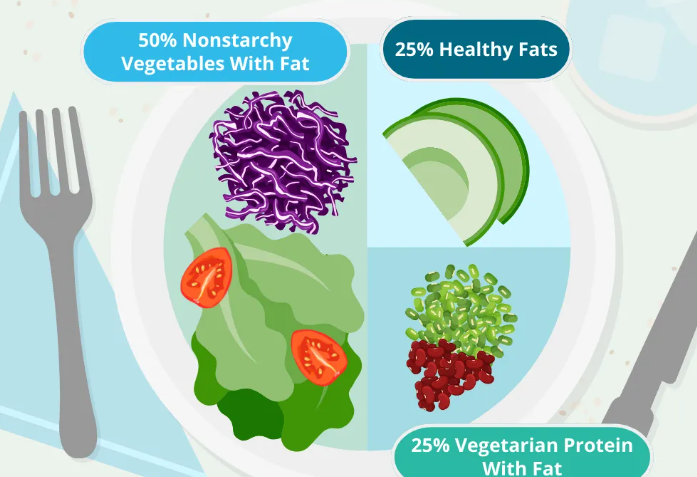
The ketogenic diet, often called keto, has gained widespread attention in recent years, drawing interest from people of all ages and lifestyles. At its core, keto is a way of eating that focuses on reducing carbohydrates while increasing healthy fats, encouraging the body to enter a metabolic state known as ketosis. In this state, the body burns fat for energy instead of relying primarily on glucose from carbohydrates. While the science behind keto is important, what truly explains its popularity is how it aligns with people’s goals, preferences, and daily challenges.
One of the main reasons keto appeals to many people is its potential to support weight management. Unlike some traditional diets that rely heavily on calorie restriction, keto shifts the body’s fuel source. By reducing carbohydrate intake, insulin levels tend to decrease, which can make it easier for the body to access stored fat. Many individuals find that this approach helps them feel more in control of their eating habits. The sense of steady progress, especially in the early stages, often motivates people to stay committed.
Another factor contributing to keto’s popularity is how it can influence appetite. Foods that are higher in fat and moderate in protein can be more satisfying, helping people feel full for longer periods. This can reduce the urge to snack frequently or overeat, which is a common challenge in many eating patterns. Instead of constantly thinking about food, individuals often report feeling more balanced and less driven by cravings. This sense of ease can make keto feel more sustainable compared to diets that leave people feeling deprived.
Energy stability is another reason many people are drawn to keto. When the body relies on carbohydrates, energy levels can rise and fall throughout the day, especially after consuming sugary or refined foods. In contrast, ketosis provides a more consistent energy supply, as fat stores are a steady source of fuel. Many people appreciate this steadiness, especially those with busy schedules who want to avoid midday fatigue. Feeling more alert and focused can make a noticeable difference in daily productivity and overall well-being.
Keto also appeals to individuals who enjoy structured approaches to eating. The diet provides clear guidelines about which foods to prioritize and which to limit. For some, this clarity removes the confusion that often comes with more flexible or ambiguous diets. Knowing what to eat can simplify meal planning and reduce decision fatigue. This structured framework can be particularly helpful for those who prefer a defined system rather than constantly guessing what might be best.
Another appealing aspect of keto is the variety of foods it includes. While it limits many high-carbohydrate items, it encourages foods that many people already enjoy, such as avocados, nuts, eggs, fish, and certain dairy products. This can make the diet feel less restrictive than it might initially seem. People often find creative ways to adapt their favorite meals into keto-friendly versions, which adds an element of enjoyment and personalization. The ability to still enjoy flavorful and satisfying meals helps maintain long-term interest.
Social influence has also played a significant role in keto’s popularity. As more people share their experiences, recipes, and results, the diet has become more visible and accessible. Online communities and social platforms provide support, inspiration, and practical tips, making it easier for newcomers to get started. Seeing others succeed can be encouraging and can help individuals feel less alone in their journey. This sense of community often strengthens motivation and accountability.
In addition to physical benefits, some people are drawn to keto because of how it can impact their mindset around food. By focusing on whole, nutrient-dense ingredients and reducing reliance on processed carbohydrates, individuals may develop a more mindful approach to eating. Paying closer attention to hunger cues and food choices can foster a healthier relationship with food. This shift in perspective can be just as valuable as any physical change.
Convenience is another reason keto resonates with many individuals. Once people become familiar with the diet, meal preparation can become straightforward. Simple combinations of protein, healthy fats, and low-carbohydrate vegetables can form the basis of many meals. This simplicity can be appealing for those who want to avoid complicated recipes or time-consuming cooking routines. Having go-to meals can make it easier to stay consistent, even during busy periods.
It is also worth noting that keto can feel adaptable to different lifestyles. Whether someone prefers cooking at home, dining out, or following a specific cultural cuisine, there are often ways to adjust meals to fit within keto guidelines. This flexibility allows people to integrate the diet into their existing routines rather than completely overhauling their habits. Feeling that a diet fits into one’s life, rather than disrupts it, can significantly improve long-term adherence.
While keto offers many appealing aspects, it is important for individuals to approach it thoughtfully and consider their personal needs. Not every approach works the same way for everyone, and finding a balanced, sustainable routine is key. Listening to one’s body, staying informed, and making gradual adjustments can help create a positive experience.
Ultimately, the appeal of keto lies in a combination of factors. It offers a different way of thinking about food and energy, provides structure without eliminating enjoyment, and aligns with common goals such as feeling more energized and in control of eating habits. For many people, these elements come together to create a sense of empowerment and possibility. As a result, keto continues to attract interest from those looking for a fresh and practical approach to their daily nutrition.