The ketogenic lifestyle, often called keto, has gained widespread attention for its approach to eating and its potential to support weight management and overall well-being. At its core, keto is not simply a short-term diet but a structured way of eating that encourages the body to rely on fat as its primary fuel source instead of carbohydrates. For many people, understanding how keto works and how to apply it in a practical, balanced way can make the difference between short-lived results and long-term sustainability.
The foundation of a keto lifestyle is built on reducing carbohydrate intake while increasing healthy fats and maintaining moderate protein consumption. Typically, carbohydrates are limited to a small percentage of daily calories, which encourages the body to enter a metabolic state known as ketosis. In ketosis, the body produces ketones from fat, which become an alternative energy source. This shift can influence how energy is used and stored, which is why many people explore keto for weight-related goals.
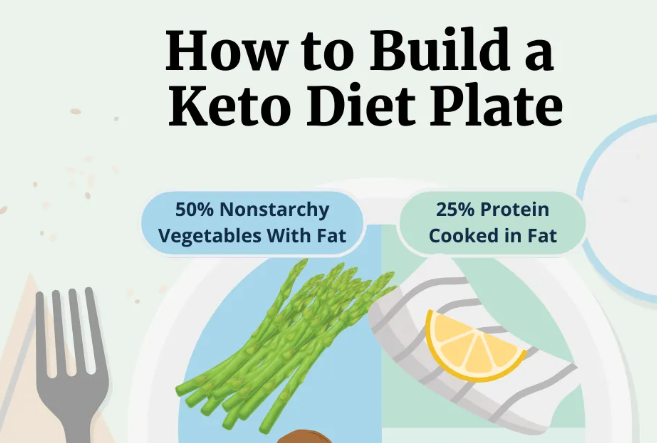
A practical approach to keto begins with understanding food choices. Instead of focusing on restriction, it helps to think in terms of substitution and balance. Foods such as leafy greens, low-carbohydrate vegetables, nuts, seeds, eggs, fish, and natural fats like olive oil or avocado form the backbone of most keto-friendly meals. At the same time, foods high in refined sugars and starches are minimized. This does not mean eliminating enjoyment from meals; rather, it involves discovering new combinations and flavors that align with keto principles.
One of the most important aspects of maintaining a keto lifestyle is consistency. Sudden or extreme changes can be difficult to sustain, so gradual adjustments often work better for many individuals. For example, reducing sugar intake first, then slowly lowering overall carbohydrate consumption, can make the transition smoother. Planning meals ahead of time and keeping keto-friendly options readily available can also help reduce the likelihood of reverting to old habits.
Hydration and electrolyte balance are often overlooked but play a key role in how people feel when following keto. Because carbohydrate intake is reduced, the body may excrete more water and electrolytes. Drinking enough fluids and ensuring adequate intake of minerals such as sodium, potassium, and magnesium can support comfort and daily functioning. Listening to the body and adjusting intake as needed is part of a practical and responsible approach.
Another key consideration is variety. While keto has clear guidelines, it does not need to feel repetitive. There are countless ways to prepare meals that fit within the lifestyle, from simple home-cooked dishes to creative recipes that mimic traditional favorites in a lower-carbohydrate form. Exploring different cuisines and cooking methods can keep the experience engaging and enjoyable over time.
Social situations can present challenges, but they can also be managed with a bit of planning and flexibility. Dining out, attending gatherings, or traveling does not necessarily mean abandoning keto principles. Many restaurants offer customizable options, and choosing dishes centered around protein and vegetables is often a practical solution. Communication also helps, whether it is asking for modifications or simply making mindful choices without drawing unnecessary attention.
It is also important to approach keto with a mindset that prioritizes overall well-being rather than perfection. Occasional deviations may happen, and they do not define the entire journey. What matters more is returning to consistent habits and maintaining a balanced perspective. A practical keto lifestyle is not about strict rules but about creating a sustainable routine that fits individual preferences and daily life.
Physical activity can complement the keto lifestyle, although it does not need to be overly complex. Engaging in regular movement, whether through walking, strength training, or other forms of exercise, can support general health and energy levels. Some individuals may notice changes in performance as their bodies adapt to using fat as fuel, so patience during this transition period is helpful.
Education is another valuable component of a successful keto lifestyle. Understanding how different foods affect the body, reading labels carefully, and staying informed about nutritional basics can empower better decision-making. At the same time, it is important to rely on credible information and avoid exaggerated claims. A balanced, informed approach supports both safety and long-term success.
Sleep and stress management also influence how any lifestyle change unfolds. Adequate rest supports recovery and energy balance, while managing stress can help maintain consistent habits. These factors are often underestimated but can play a significant role in how sustainable a keto routine feels over time.
For those considering keto, personalization is key. Each person’s needs, preferences, and responses may differ. Some individuals may thrive on a stricter version of keto, while others may adopt a more flexible approach that still emphasizes reduced carbohydrate intake. Paying attention to how the body responds and making adjustments accordingly helps create a plan that is both effective and comfortable.
It is worth noting that any significant dietary change should be approached thoughtfully. Consulting a qualified professional can provide personalized guidance, especially for individuals with specific health considerations. A responsible approach ensures that nutritional needs are met while exploring the benefits of keto.
In summary, a practical keto lifestyle is about more than just cutting carbohydrates. It involves understanding the principles behind ketosis, making informed food choices, maintaining consistency, and adapting the approach to fit everyday life. By focusing on balance, variety, and sustainability, individuals can create a keto routine that supports their goals while remaining realistic and enjoyable.