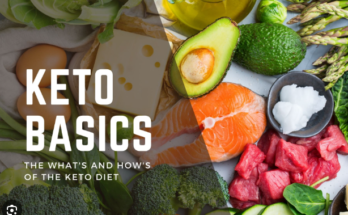
Adopting a ketogenic lifestyle is often associated with dietary changes, but one of its most overlooked benefits is how it naturally encourages better planning in everyday life. Rather than being a restrictive burden, keto can serve as a structured approach that helps individuals become more intentional with their choices, especially around food, time, and habits. This shift toward planning is not only practical but can also lead to a greater sense of control and confidence.
At its core, the ketogenic approach emphasizes low carbohydrate intake, moderate protein, and higher healthy fat consumption. Because of this balance, spontaneous eating becomes more difficult compared to standard diets where quick snacks or processed foods are widely accessible. As a result, individuals following keto often find themselves preparing meals ahead of time or thinking more carefully about what they will eat throughout the day. This naturally builds a habit of planning, which can extend beyond food into other areas of life.
Meal preparation is one of the first ways keto encourages planning. Instead of grabbing whatever is convenient, individuals tend to map out their meals in advance to ensure they stay within their nutritional goals. This could involve preparing lunches for the week, cooking dinners in batches, or even researching recipes before grocery shopping. Over time, this practice becomes second nature, making daily routines smoother and less stressful. Knowing what to eat ahead of time reduces decision fatigue and allows for more efficient use of time.
Grocery shopping also becomes more intentional on a ketogenic plan. Rather than wandering through aisles without a clear purpose, people often create detailed shopping lists based on their planned meals. This not only helps avoid unnecessary purchases but also supports mindful spending. Planning meals in advance can reduce food waste, as ingredients are chosen with specific uses in mind. This thoughtful approach can be both economically and environmentally beneficial.
Another important aspect of keto planning is awareness of ingredients. Many processed foods contain hidden sugars and carbohydrates, so individuals learn to read labels more carefully. This attention to detail fosters a deeper understanding of nutrition and encourages smarter decision-making. Over time, this awareness can influence broader lifestyle habits, such as choosing higher-quality foods or being more mindful of portion sizes.
Dining out or attending social events can also highlight the value of planning. Those following keto often review menus in advance or think about suitable options before arriving. This preparation allows them to participate in social situations comfortably without feeling caught off guard. Rather than being limiting, this approach can make experiences more enjoyable because there is less uncertainty involved.
Time management is another area where keto planning plays a role. Preparing meals, organizing ingredients, and maintaining consistency require a certain level of structure. While this may seem demanding at first, it often leads to more efficient daily routines. People who plan their meals tend to save time overall because they avoid last-minute decisions and reduce reliance on convenience foods. This can free up time for other priorities, contributing to a more balanced lifestyle.
In addition to practical benefits, planning within a ketogenic framework can support personal goals. Whether someone is focused on maintaining energy levels, supporting fitness routines, or simply building healthier habits, having a plan makes it easier to stay consistent. Consistency is often the key to long-term success, and keto naturally reinforces this by encouraging preparation and foresight.
It is also worth noting that planning does not have to be rigid or overwhelming. Many individuals find that once they establish a routine, it becomes flexible and adaptable. For example, having a few go-to meals or staple ingredients can simplify decision-making while still allowing for variety. Over time, planning becomes less about strict rules and more about creating a supportive structure that fits individual preferences.
Another positive outcome of better planning is reduced stress around food choices. When meals and snacks are already decided, there is less pressure to make quick decisions under time constraints. This can be especially helpful for those with busy schedules, as it eliminates the need to constantly think about what to eat next. Instead, energy can be directed toward other tasks or activities.
Keto planning can also foster a sense of accomplishment. Successfully preparing meals, sticking to a plan, and seeing progress over time can be motivating. This sense of achievement can build confidence and encourage continued commitment. Small, consistent efforts often lead to meaningful results, and planning plays a crucial role in maintaining that momentum.
Moreover, the habits developed through keto planning can extend beyond diet. Skills such as organizing, prioritizing, and thinking ahead can be applied to work, personal projects, and daily responsibilities. In this way, keto becomes more than just a way of eating; it becomes a framework for building productive habits.
Flexibility remains an important part of the process. While planning is beneficial, it is equally important to adapt when circumstances change. Life can be unpredictable, and having a flexible mindset allows individuals to stay on track without feeling restricted. Keto planning works best when it supports a balanced and realistic lifestyle.
In conclusion, the ketogenic approach encourages better planning by promoting intentional choices and structured habits. From meal preparation and grocery shopping to time management and goal setting, the emphasis on planning can lead to a more organized and efficient lifestyle. Rather than being a limitation, this structure provides a foundation for consistency, confidence, and long-term success. By embracing planning as a positive aspect of keto, individuals can create routines that not only support their dietary goals but also enhance their overall well-being.