If you’ve been hearing about the ketogenic diet and wondering what it’s all about, you’re not alone. The keto diet has gained attention for its unique approach to eating and its potential to support weight management and overall wellness. For beginners, though, it can feel a bit confusing at first. This guide will walk you through the basics in a simple and approachable way so you can decide if keto is right for you.
At its core, the ketogenic diet is a low-carbohydrate, high-fat way of eating. Instead of relying on carbohydrates like bread, pasta, or sugary snacks for energy, your body shifts to using fat as its primary fuel source. This metabolic state is called ketosis. When your body is in ketosis, it produces compounds called ketones, which are used for energy in place of glucose.
To understand why keto works the way it does, it helps to think about how your body normally processes food. In a typical diet, carbohydrates are broken down into glucose, which becomes your body’s main energy source. When you significantly reduce carb intake, your body has to find another way to function. That’s where fat comes in. By increasing fat intake and lowering carbs, your body adapts and begins to burn fat more efficiently.
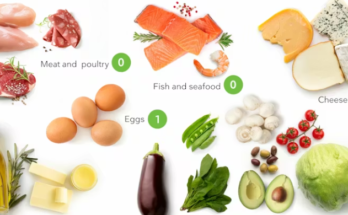
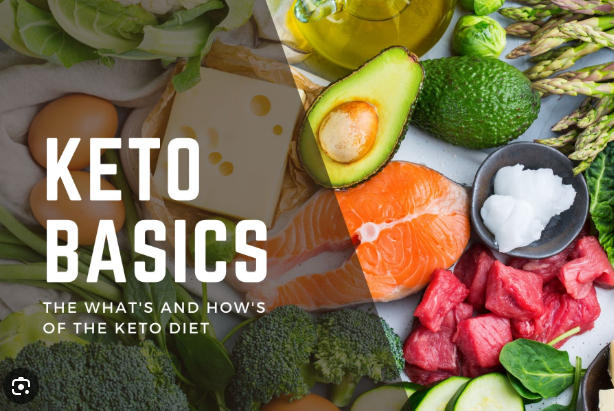
For beginners, one of the most important steps is knowing what to eat. Keto-friendly foods include meat, fish, eggs, butter, cheese, healthy oils, nuts, seeds, and low-carbohydrate vegetables like leafy greens, broccoli, and zucchini. These foods help provide the fats and nutrients your body needs while keeping carbohydrate intake low. On the other hand, foods like bread, rice, pasta, sugary snacks, and most fruits are typically limited because they are high in carbohydrates.
Starting keto doesn’t mean you need to be perfect right away. It’s more helpful to focus on gradual changes and building habits that feel sustainable. For example, you might begin by replacing high-carb foods with lower-carb alternatives, such as swapping rice for cauliflower rice or using lettuce wraps instead of bread. Small adjustments can make the transition smoother and less overwhelming.
Another important aspect of keto is paying attention to your macronutrients, often called macros. These include fats, proteins, and carbohydrates. On a keto diet, most of your calories come from fat, a moderate amount from protein, and a very small portion from carbohydrates. While exact ratios can vary, many beginners aim for a general balance that keeps carbs low enough to encourage ketosis.
Hydration and electrolytes are also key when starting keto. As your body adjusts, it may lose more water and minerals than usual. This can sometimes lead to feelings of fatigue or headaches, often referred to as the “keto flu.” Drinking enough water and including sources of electrolytes like sodium, potassium, and magnesium can help ease this transition.
One of the reasons people are drawn to keto is its potential benefits. Some individuals report improved energy levels, reduced hunger, and support for weight management. Others appreciate the focus on whole, nutrient-dense foods. However, it’s important to remember that everyone’s body is different, and results can vary. What works well for one person may not be the best fit for another.
Planning your meals can make a big difference when you’re just starting out. Having keto-friendly options readily available helps you stay consistent and avoid reaching for high-carb foods out of convenience. Simple meals like eggs and avocado for breakfast, a salad with grilled chicken and olive oil for lunch, and salmon with roasted vegetables for dinner can fit well within a keto approach.
It’s also helpful to read food labels and become familiar with hidden sources of carbohydrates. Ingredients like added sugars, syrups, and certain starches can appear in foods you might not expect. Taking a moment to check labels can help you make informed choices and stay aligned with your goals.
While keto can be a helpful tool for some, it’s not necessary for everyone. A balanced diet that includes a variety of whole foods can also support good health. If you have specific health conditions or concerns, it’s always a good idea to consult with a qualified professional before making significant dietary changes.
As you begin your keto journey, patience is important. Your body needs time to adjust, and it’s normal to experience a learning curve. Instead of aiming for perfection, focus on progress and consistency. Celebrate small wins, like choosing a lower-carb option or preparing a meal at home.
Another tip for beginners is to keep things simple. You don’t need complicated recipes or specialty products to succeed on keto. Basic, whole foods can be just as effective and often more affordable. Over time, as you become more comfortable, you can explore new recipes and variations.
Social situations can sometimes feel challenging when following a new way of eating, but they can be managed with a bit of planning. Many restaurants offer options that can be adapted to fit a keto approach, such as choosing protein and vegetables while skipping high-carb sides. Communicating your preferences and making thoughtful choices can help you stay on track without feeling restricted.
Mindset also plays a role in your success. Instead of viewing keto as a strict set of rules, try to see it as a flexible framework that supports your goals. Being kind to yourself and allowing room for adjustments can make the experience more enjoyable and sustainable.
In the end, keto is just one of many ways to approach nutrition. For beginners, the key is understanding the basics, listening to your body, and making choices that align with your needs and lifestyle. By starting with simple steps and building from there, you can create a routine that feels both manageable and rewarding.
Whether you’re curious about keto or ready to give it a try, taking the time to learn and prepare can set you up for a positive experience. With a clear understanding of how it works and a focus on balance, you can explore this way of eating with confidence and ease.