The ketogenic lifestyle, often called “keto,” has grown in popularity for its simplicity and effectiveness in helping people manage weight and improve overall wellness. At its core, keto is not about strict deprivation or complicated rules. Instead, it focuses on shifting how your body uses energy by reducing carbohydrates and increasing healthy fats. This article offers a clear, friendly, and practical guide to help you understand keto living and decide whether it fits your goals.
To begin, it helps to understand how the body normally functions. Most people rely on carbohydrates as their primary fuel source. Foods like bread, rice, pasta, and sugary snacks break down into glucose, which the body uses for energy. When carbohydrate intake is significantly reduced, the body enters a state called ketosis. In this state, it starts burning fat for fuel instead of glucose. The liver converts fat into compounds called ketones, which become an alternative energy source for the brain and body.
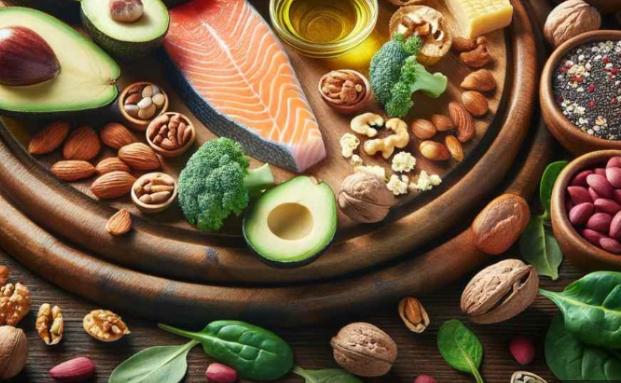
A typical ketogenic diet emphasizes high fat, moderate protein, and very low carbohydrate intake. While exact ratios can vary, many people aim for about 70 percent of calories from fat, 20 to 25 percent from protein, and 5 to 10 percent from carbohydrates. This may sound unusual at first, especially if you have been taught to avoid fats. However, keto focuses on incorporating nourishing fats such as avocados, nuts, seeds, olive oil, and fatty fish.
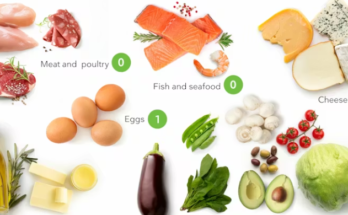
Starting keto does not require perfection. It is often helpful to begin by gradually reducing carbohydrate intake rather than making sudden, drastic changes. This approach allows your body to adjust more comfortably. Common high-carb foods to limit include sugary beverages, baked goods, and heavily processed snacks. Instead, focus on whole foods like leafy greens, non-starchy vegetables, eggs, meat, poultry, seafood, and full-fat dairy products if they suit your preferences.
One of the benefits many people notice early on is reduced hunger. Fat and protein tend to be more satisfying than refined carbohydrates, which may help you feel full for longer periods. This can make it easier to maintain a balanced eating pattern without constant snacking. Some individuals also report more stable energy levels throughout the day, without the spikes and crashes associated with high-sugar diets.
It is important to stay hydrated and pay attention to electrolytes when transitioning into keto. As carbohydrate intake decreases, the body releases stored water, which can lead to temporary changes such as fatigue or headaches. Drinking enough water and including sources of sodium, potassium, and magnesium can support a smoother transition. Foods like leafy greens, nuts, seeds, and broth-based soups can be helpful additions.
Meal planning can make keto living more manageable and enjoyable. A simple day might include scrambled eggs cooked in butter with spinach for breakfast, a salad with grilled chicken and olive oil dressing for lunch, and salmon with roasted vegetables for dinner. Snacks, if needed, could include cheese, a handful of nuts, or sliced avocado. Keeping meals straightforward reduces stress and helps you stay consistent.
Social situations and dining out may feel challenging at first, but with a little preparation, they can be navigated with ease. Many restaurants offer flexible options, such as grilled proteins paired with vegetables. You can often request substitutions like extra vegetables instead of bread or fries. Over time, making these choices becomes more natural and less stressful.
It is also helpful to approach keto with a balanced mindset. While the diet can be effective, it is not necessary to be overly restrictive or rigid. Occasional adjustments or personal preferences can be part of a sustainable lifestyle. The goal is to find an approach that works for you in the long term rather than striving for perfection.
Before making significant dietary changes, it is wise to consider your individual needs and circumstances. Factors such as activity level, personal health history, and daily routine can all influence how you respond to keto. Listening to your body and making gradual adjustments can help you find the right balance.
There are also different variations of keto that may suit different lifestyles. Some people follow a standard ketogenic diet consistently, while others use a more flexible approach that allows for slightly higher carbohydrate intake on certain days. Exploring these options can help you discover what feels most sustainable.
Another key aspect of keto living is focusing on food quality. Choosing whole, minimally processed foods supports overall wellness and helps ensure you are getting essential nutrients. While packaged “keto-friendly” products are widely available, they are not always necessary. Building meals around simple ingredients often leads to better results and a more satisfying experience.
Physical activity can complement a ketogenic lifestyle. Whether you prefer walking, strength training, or other forms of exercise, staying active supports overall health and can enhance how you feel on keto. It is normal for energy levels to fluctuate slightly during the initial transition, but many people find that their endurance improves over time.
Tracking progress can be motivating, but it is not required. Some people prefer to monitor their food intake or ketone levels, while others rely on how they feel and how their clothes fit. Both approaches are valid. The most important factor is consistency and finding a routine that you can maintain comfortably.
Keto living is not just about food; it is about creating habits that support your well-being. Getting enough sleep, managing stress, and staying hydrated all play important roles. When these elements come together, they create a strong foundation for long-term success.
In summary, the ketogenic lifestyle offers a straightforward way to shift your body’s energy source from carbohydrates to fat. By focusing on whole foods, staying hydrated, and maintaining a flexible mindset, you can create an approach that fits your life. Whether your goal is to improve energy, manage weight, or explore a new way of eating, keto can be adapted to suit your needs. Taking small, consistent steps can help you build a sustainable and enjoyable path forward.