The ketogenic diet, often simply called “keto,” has gained widespread attention in recent years, but at its core, it is a straightforward approach to eating that focuses on changing how the body fuels itself. Instead of relying primarily on carbohydrates for energy, the keto diet encourages the body to use fat as its main source of fuel. This shift can lead to a variety of benefits, and understanding them in a friendly, approachable way can help you decide whether this lifestyle might suit you.
To begin with, the keto diet centers around reducing carbohydrate intake and increasing healthy fats, while maintaining a moderate level of protein. When carbohydrate intake drops significantly, the body enters a state known as ketosis. In this state, the liver converts fat into molecules called ketones, which the body can use for energy. While this may sound complex, many people find the transition easier than expected once they become familiar with keto-friendly foods and meal patterns.
One of the most commonly discussed benefits of keto is its potential to support weight management. Because fat is more filling than carbohydrates, many people feel satisfied for longer periods after eating. This can naturally lead to reduced calorie intake without the need for strict portion control. Additionally, by limiting sugar and refined carbs, keto may help reduce cravings for snacks and sweets, making it easier to maintain consistent eating habits over time.
Another appealing aspect of keto is its potential impact on energy levels. Some individuals report that once they adapt to ketosis, they experience more stable energy throughout the day. Instead of the highs and lows often associated with carbohydrate-heavy meals, fat-based energy can provide a steadier source of fuel. This may be especially helpful for those who find themselves dealing with afternoon fatigue or frequent energy dips.
Keto may also play a role in supporting mental clarity and focus. While research is still ongoing, many people who follow the diet report feeling more alert and less prone to brain fog. One possible reason is that ketones provide an efficient energy source for the brain. For individuals seeking improved concentration during work or study, this aspect of keto can be particularly appealing.
In addition to energy and focus, the keto diet may have benefits related to blood sugar balance. By significantly reducing carbohydrate intake, keto can help minimize spikes and drops in blood sugar levels. This steady approach to glucose management can be helpful for those looking to maintain balanced energy and avoid sudden hunger swings. It is important, however, for individuals with specific health conditions to consult a qualified professional before making major dietary changes.
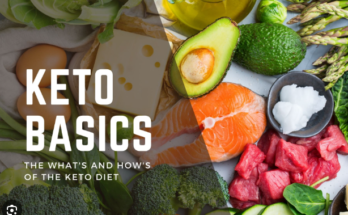
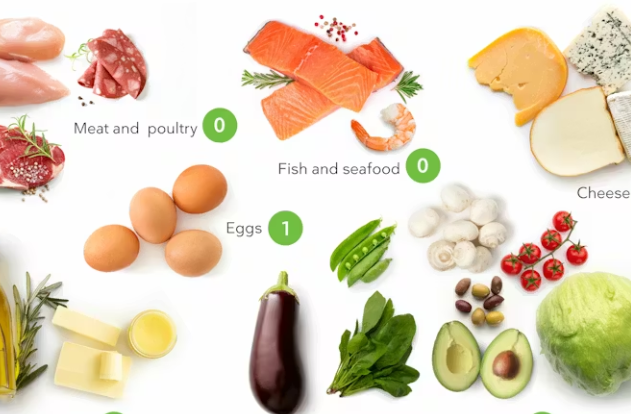
Another advantage of keto is its flexibility when it comes to food choices. While the diet emphasizes fats, it does not mean relying solely on processed or unhealthy options. Many keto-friendly foods include nutrient-dense choices such as avocados, nuts, seeds, olive oil, fatty fish, eggs, and low-carbohydrate vegetables. This allows for a wide variety of meals that can be both satisfying and nourishing.
Socially and practically, keto can also be adapted to different lifestyles. Whether someone enjoys cooking at home or prefers simple meals, there are ways to make keto work. Over time, many people develop a routine that fits their schedule, making it easier to stay consistent without feeling restricted. The growing popularity of keto has also led to more accessible recipes, products, and dining options that align with this way of eating.
It is worth noting that the transition into ketosis can come with temporary adjustments. Some people experience what is commonly referred to as the “keto flu,” which may include mild fatigue or headaches as the body adapts to using fat for fuel. These effects are usually short-lived and can often be managed by staying hydrated and maintaining proper electrolyte balance. Understanding that this phase is temporary can make the process feel more manageable.
Another important consideration is sustainability. While keto can offer various benefits, it is not a one-size-fits-all approach. Some individuals thrive on it long term, while others may prefer a more moderate dietary style. The key is to listen to your body and choose an approach that feels both effective and enjoyable. A friendly and flexible mindset can make all the difference in maintaining healthy habits.
Keto can also encourage greater awareness of food choices. By paying closer attention to ingredients and macronutrients, many people become more mindful of what they eat. This awareness can extend beyond the diet itself, fostering a more balanced and intentional relationship with food overall. Even for those who do not follow keto strictly, some of its principles, such as reducing added sugars and focusing on whole foods, can be beneficial.
For those considering keto, starting gradually can be a helpful strategy. Rather than making sudden, drastic changes, easing into lower carbohydrate intake can allow the body to adjust more comfortably. Planning meals in advance and keeping simple, keto-friendly snacks on hand can also support a smoother transition. Over time, these small steps can build confidence and make the lifestyle feel more natural.
It is also helpful to approach keto with a positive and curious attitude. Instead of viewing it as a restrictive diet, it can be seen as an opportunity to explore new foods and cooking methods. Many people discover creative recipes and flavors they might not have tried otherwise. This sense of discovery can make the experience more enjoyable and sustainable.
In conclusion, the ketogenic diet offers a range of potential benefits, from supporting weight management and steady energy to enhancing focus and encouraging mindful eating. While it may not be the perfect fit for everyone, its core principles can provide valuable insights into how food choices affect the body. By approaching keto in a friendly, informed way, individuals can explore whether this lifestyle aligns with their personal goals and preferences.