Belly fat is one of the most common concerns people have when trying to improve their health or appearance. It can feel stubborn, confusing, and sometimes discouraging, especially with so many conflicting tips online. The truth is that reducing belly fat does not come from quick fixes or extreme methods, but from consistent, balanced habits that support overall well-being. Understanding what truly works can help you make sustainable changes that lead to long-term results.
To begin with, it is important to recognize that belly fat is not just about how you look. There are two main types of fat around the abdominal area. Subcutaneous fat sits just under the skin, while visceral fat surrounds internal organs. Visceral fat is the one more closely linked to health risks, and reducing it can have meaningful benefits for your overall health. This is why focusing on healthy lifestyle habits is far more effective than chasing cosmetic shortcuts.
One of the most impactful factors in reducing belly fat is maintaining a balanced and realistic approach to nutrition. Rather than following restrictive diets, it helps to focus on eating whole, minimally processed foods. Meals that include vegetables, fruits, whole grains, lean proteins, and healthy fats provide the nutrients your body needs while helping regulate appetite. Protein, in particular, can support feelings of fullness and help maintain muscle mass, which plays a role in metabolism.
Another key element is paying attention to portion sizes and eating patterns. Mindful eating can make a noticeable difference. Slowing down during meals, recognizing hunger and fullness cues, and avoiding distracted eating can help prevent overeating without the need for strict rules. Small adjustments, like reducing sugary drinks or highly processed snacks, can gradually lower calorie intake in a way that feels manageable.
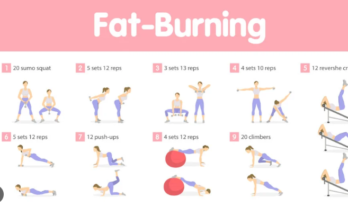
Physical activity is also essential, but it does not have to be extreme or overwhelming. Regular movement supports fat loss throughout the body, including the abdominal area. A combination of aerobic exercise and strength training tends to be most effective. Activities like brisk walking, cycling, or swimming can help burn calories, while strength training helps build muscle. More muscle can support a higher resting metabolism, making it easier to manage weight over time.
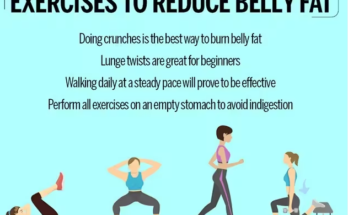
It is worth noting that targeted exercises alone, such as doing many abdominal crunches, do not specifically reduce belly fat. While these exercises can strengthen the core, overall fat loss is what leads to a slimmer waistline. This is why a full-body approach to exercise is more beneficial than focusing on one area.
Sleep is another often overlooked factor. Poor sleep can influence hormones that regulate hunger and appetite, potentially leading to increased cravings and overeating. Consistently getting enough quality sleep supports better decision-making, energy levels, and metabolic balance. Even small improvements in sleep habits, like maintaining a regular bedtime or reducing screen time before bed, can make a positive difference.
Stress management also plays an important role. Chronic stress can lead to elevated levels of certain hormones that are associated with increased fat storage around the midsection. Finding healthy ways to manage stress, such as spending time outdoors, practicing relaxation techniques, or engaging in enjoyable hobbies, can support both mental and physical health.
Hydration is another simple yet effective habit. Drinking enough water throughout the day helps support digestion, energy levels, and appetite control. Sometimes, thirst can be mistaken for hunger, so staying hydrated may help prevent unnecessary snacking. Choosing water over sugary beverages can also reduce excess calorie intake without much effort.
Consistency is one of the most important factors in seeing results. Short-term efforts often lead to temporary changes, while long-term habits create lasting outcomes. Progress may be gradual, but steady improvements tend to be more sustainable and healthier. Setting realistic expectations and focusing on overall wellness rather than quick results can help maintain motivation.
It is also helpful to be cautious of misleading claims or products that promise rapid belly fat reduction. Methods that sound too good to be true often are. Sustainable fat loss involves the entire body and cannot be achieved through a single supplement, device, or specific food. Choosing approaches grounded in balanced nutrition, regular activity, and healthy routines is both safer and more effective.
Social support can also make a difference. Whether it comes from friends, family, or a community, having encouragement and accountability can help you stay on track. Sharing goals or participating in activities together can make the process more enjoyable and less isolating.
Another important aspect is self-compassion. Everyone’s body responds differently, and progress may vary. Comparing yourself to others can create unnecessary pressure. Focusing on your own journey and recognizing small achievements can build confidence and reinforce positive habits.
In the end, what truly helps with belly fat reduction is not a single solution but a combination of consistent, supportive choices. Eating balanced meals, staying active, getting enough sleep, managing stress, and maintaining realistic expectations all work together to create meaningful change. By focusing on overall health rather than quick fixes, you can develop habits that not only reduce belly fat but also improve your quality of life.
Making these changes does not require perfection. Even small steps can lead to noticeable improvements over time. By approaching the process with patience and a positive mindset, you can build a routine that feels sustainable and rewarding.