Sustainable fat loss is not about quick fixes or extreme restrictions. It is about building habits that support your body over the long term while maintaining a balanced and enjoyable lifestyle. Many people start their journey with high motivation, only to feel discouraged when results slow down or life gets busy. The key to lasting success is shifting your focus away from short-term outcomes and toward consistent, realistic behaviors that you can maintain for years rather than weeks.
One of the most important foundations of long-term fat loss is developing a healthy relationship with food. Instead of labeling foods as strictly “good” or “bad,” it is more helpful to think in terms of balance and moderation. Allowing yourself to enjoy a variety of foods without guilt reduces the risk of overeating or feeling deprived. When you give yourself permission to eat in a flexible way, it becomes easier to stay consistent and avoid the cycle of restriction and bingeing that often leads to frustration.
Consistency plays a much bigger role than perfection. Many people believe they need to follow a strict routine every single day to see results, but this mindset can quickly become overwhelming. Life includes social events, busy schedules, and unexpected challenges. Rather than seeing these moments as setbacks, it is better to view them as part of a normal lifestyle. Returning to your routine after a break is what truly matters. Progress is built on repeated small actions, not flawless execution.
Another essential element is understanding your body’s signals. Learning to recognize hunger and fullness cues can help you make more mindful decisions. Eating slowly and paying attention to how your body feels allows you to enjoy meals more and avoid overeating. This approach supports a more natural rhythm of eating that aligns with your body’s needs instead of external rules or rigid schedules.
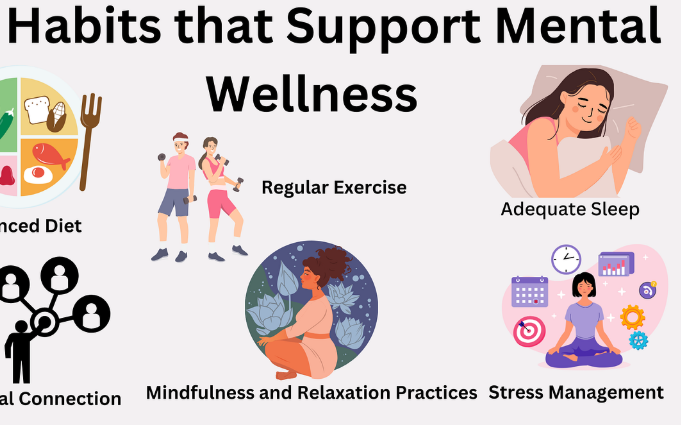
Physical activity also plays a significant role in long-term fat loss, but it does not have to be extreme or exhausting. The best form of exercise is one that you enjoy and can stick with consistently. Whether it is walking, swimming, cycling, or strength training, finding something that fits your preferences increases the likelihood that you will continue doing it. Movement should feel like a positive part of your day rather than a punishment or obligation.
Building muscle through strength-based activities can be especially helpful because it supports your metabolism and overall strength. However, it is important to approach exercise with patience. Results take time, and pushing too hard too quickly can lead to burnout or injury. A steady and gradual approach is more sustainable and helps you build confidence along the way.
Sleep and stress management are often overlooked but are crucial for long-term success. Lack of sleep can affect your energy levels, mood, and appetite, making it harder to make supportive choices. Similarly, high levels of stress can lead to emotional eating or reduced motivation. Prioritizing rest and finding healthy ways to manage stress, such as relaxation techniques or spending time outdoors, can have a meaningful impact on your overall progress.
Setting realistic goals is another important factor. Instead of aiming for rapid changes, focus on gradual improvements that you can maintain. Smaller, achievable goals provide a sense of accomplishment and help you stay motivated. Over time, these small changes add up to significant results. It is also helpful to celebrate non-scale victories, such as increased energy, improved fitness, or better mood, rather than relying solely on numbers.
Tracking progress can be useful, but it should be done in a balanced way. While some people benefit from monitoring their habits or results, others may find it stressful. Choose a method that supports your mindset without creating pressure. This might include journaling, taking note of how your clothes fit, or simply reflecting on your habits.
Support from others can also make a difference. Sharing your goals with friends, family, or a supportive community can provide encouragement and accountability. Having people who understand your journey can help you stay motivated and remind you that you are not alone. Positive support can make challenges feel more manageable and successes more meaningful.
It is also important to be kind to yourself throughout the process. There will be days when things do not go as planned, and that is completely normal. Instead of being critical, approach these moments with understanding and patience. Long-term success comes from resilience and the ability to keep going, even when progress feels slow.
Another helpful strategy is creating an environment that supports your goals. Keeping nutritious foods easily accessible, planning meals ahead of time, and reducing triggers for mindless eating can make healthy choices more convenient. When your environment aligns with your intentions, it becomes easier to stay on track without relying solely on willpower.
Education can empower you to make informed decisions. Learning about nutrition, portion sizes, and how different foods affect your body can help you feel more confident in your choices. However, it is important to seek reliable and balanced information rather than extreme or misleading advice. A well-rounded understanding supports long-term success without unnecessary confusion.
Flexibility is one of the most powerful tools you can develop. Life changes over time, and your approach may need to adapt as well. Being open to adjusting your habits, trying new strategies, and learning from your experiences helps you stay resilient. What works for you today may evolve, and that is part of the journey.
In the end, supporting long-term fat loss success is about creating a lifestyle that feels sustainable, enjoyable, and aligned with your well-being. It is not about following rigid rules or chasing perfection. By focusing on balance, consistency, and self-awareness, you can build habits that support lasting results. Progress may not always be linear, but with patience and persistence, it is possible to achieve and maintain your goals in a healthy and realistic way.