Creating a healthier lifestyle often sounds like a major life overhaul, something that requires strict routines, intense workouts, and perfectly planned meals. In reality, building a healthier way of living can be simple, flexible, and even enjoyable. The key lies in making small, consistent choices that support your well-being without adding stress or pressure to your daily routine.
A good starting point is understanding that health is not a one-size-fits-all concept. What works for one person may not work for another, and that is completely normal. Instead of chasing perfection, focus on progress. Small improvements, repeated over time, can lead to meaningful and lasting results. When you approach your health with patience and kindness toward yourself, the process becomes far more sustainable.
One of the easiest ways to begin is by paying attention to your daily habits. These are the actions you repeat without much thought, such as what you eat, how much you move, and how well you rest. Rather than trying to change everything at once, choose one habit to improve. For example, you might start by drinking more water throughout the day. Staying hydrated supports energy levels, digestion, and overall body function, yet it is often overlooked.
Another simple step is incorporating more movement into your routine. This does not mean you need to spend hours at a gym. Gentle activities like walking, stretching, or dancing in your living room can make a real difference. The goal is to find something you enjoy so that staying active feels less like a chore and more like a natural part of your day. Over time, these small bursts of activity can boost your mood, improve your stamina, and support long-term health.
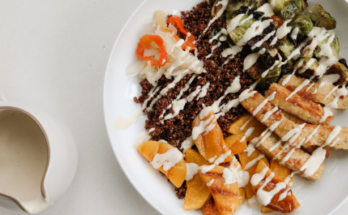
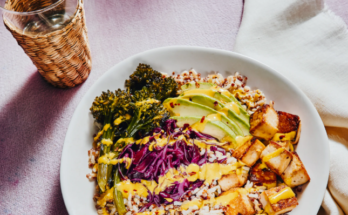
Nutrition also plays a significant role in building a healthier lifestyle, but it does not have to be complicated. Instead of focusing on strict diets or eliminating entire food groups, aim for balance. Adding more whole foods such as fruits, vegetables, grains, and lean proteins can naturally improve your eating habits. At the same time, allowing yourself to enjoy your favorite treats in moderation helps maintain a positive relationship with food.
Mindful eating is another helpful practice. This means paying attention to what you eat and how it makes you feel. Slowing down during meals, noticing flavors and textures, and recognizing when you are full can lead to better choices without the need for rigid rules. Over time, this awareness helps you develop a more intuitive approach to eating.
Rest and recovery are just as important as diet and exercise. Many people underestimate the value of quality sleep, yet it is essential for both physical and mental well-being. Creating a calming bedtime routine, limiting screen time before sleep, and maintaining a consistent schedule can help improve your rest. When you are well-rested, it becomes easier to make healthier choices throughout the day.
Stress management is another important piece of the puzzle. Life can be busy and demanding, but finding simple ways to relax can have a powerful impact. Activities such as deep breathing, journaling, or spending time outdoors can help calm your mind and reduce tension. Even taking a few minutes each day to pause and reset can make a noticeable difference.
Building a healthier lifestyle also involves your environment. Surrounding yourself with supportive people and creating spaces that encourage positive habits can make the process easier. For example, keeping healthy snacks within reach or setting aside a comfortable area for relaxation can gently guide your choices in the right direction.
It is also helpful to set realistic goals. Instead of aiming for dramatic changes, focus on achievable steps. For instance, you might decide to take a short walk three times a week or add one extra serving of vegetables to your meals each day. These goals are manageable and can be adjusted as you grow more comfortable with your routine.
Tracking your progress can provide motivation and a sense of accomplishment. This does not have to be complicated. Simply noting how you feel, what you have accomplished, or what you would like to improve can help you stay engaged. Over time, you will begin to notice patterns and improvements that reinforce your efforts.
Another important aspect is self-compassion. There will be days when things do not go as planned, and that is perfectly okay. A healthy lifestyle is not about being perfect every day. It is about making choices that support you most of the time. When you approach setbacks with understanding rather than criticism, you are more likely to stay consistent in the long run.
Technology can also be a helpful tool when used mindfully. There are many apps and resources designed to support healthy habits, from guided workouts to meal planning ideas. These tools can provide structure and inspiration, especially when you are just getting started. However, it is important to use them in a way that feels supportive rather than overwhelming.
As you continue on your journey, you may find that your definition of health evolves. What matters most is how you feel. Increased energy, improved mood, and a sense of balance are all signs that your efforts are making a difference. These benefits often appear gradually, reinforcing the idea that small, consistent actions truly matter.
It is also worth remembering that a healthier lifestyle includes mental and emotional well-being. Taking time for activities you enjoy, connecting with others, and giving yourself space to relax all contribute to a more balanced life. Health is not just about physical changes; it is about feeling good in your daily experiences.
Incorporating variety can keep your routine interesting and prevent boredom. Trying new recipes, exploring different forms of movement, or learning relaxation techniques can add excitement to your journey. This sense of discovery can make the process more enjoyable and help you stay engaged over time.
Consistency is more important than intensity. While it can be tempting to make big changes quickly, steady progress often leads to better results. By focusing on habits you can maintain, you create a foundation that supports long-term well-being. This approach reduces the likelihood of burnout and makes it easier to stay on track.
Ultimately, building a healthier lifestyle is about creating a way of living that supports you in a realistic and enjoyable way. It is not about strict rules or temporary fixes, but about developing habits that fit naturally into your life. With patience, flexibility, and a focus on small steps, you can make meaningful changes without feeling overwhelmed.
By embracing a balanced and positive approach, you can build a healthier lifestyle with ease. Each small choice adds up, guiding you toward a life that feels more energized, more stable, and more fulfilling. Over time, these choices become second nature, allowing you to enjoy the benefits of a healthier way of living without unnecessary stress or complexity.