Living a healthier lifestyle does not require extreme diets, expensive memberships, or drastic overnight changes. Instead, it is built on consistent, thoughtful decisions that gradually improve your physical, mental, and emotional well-being. By focusing on small, sustainable habits, anyone can create a balanced routine that supports long-term health without feeling overwhelmed or restricted.
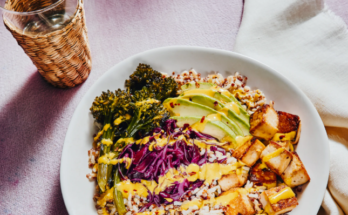
One of the most important foundations of a healthy lifestyle is mindful eating. Rather than following strict or limiting diets, it helps to pay attention to what your body truly needs. Choosing whole foods such as fruits, vegetables, lean proteins, and whole grains can provide essential nutrients that fuel your body efficiently. It is also beneficial to reduce highly processed foods that often contain excess sugar, salt, and artificial additives. Eating slowly and recognizing hunger and fullness cues can help prevent overeating and encourage a healthier relationship with food.
Hydration plays a key role in maintaining overall health, yet it is often overlooked. Drinking enough water throughout the day supports digestion, helps regulate body temperature, and keeps your skin looking fresh. A simple habit like carrying a reusable water bottle or setting reminders can make it easier to stay hydrated. While beverages like coffee and tea can be enjoyed in moderation, water should remain the primary source of hydration.
Physical activity is another essential component of a healthier lifestyle, but it does not have to mean intense workouts or long hours at the gym. The goal is to find movement that you enjoy and can stick with consistently. This could include walking, cycling, swimming, dancing, or even gardening. Regular activity helps improve cardiovascular health, strengthen muscles, and boost mood. Even short periods of movement throughout the day can make a meaningful difference when practiced regularly.
Sleep is often underestimated, yet it is one of the most powerful tools for maintaining good health. Quality sleep allows the body to repair itself, supports brain function, and helps regulate emotions. Establishing a consistent sleep schedule by going to bed and waking up at the same time each day can improve sleep quality. Creating a calming bedtime routine, such as reading or reducing screen time before bed, can also help signal to your body that it is time to rest.
Mental well-being is just as important as physical health. Taking time to manage stress and care for your emotional needs can improve overall quality of life. Simple practices like deep breathing, journaling, or spending time in nature can help reduce stress levels. Staying connected with friends and family also plays a crucial role in maintaining a positive mindset. Meaningful relationships provide support, encouragement, and a sense of belonging.
Another smart choice for a healthier lifestyle is setting realistic and achievable goals. Instead of aiming for perfection, focus on progress. Small, consistent changes are more sustainable and less likely to lead to burnout. For example, adding one extra serving of vegetables to your meals each day or taking a short walk after dinner can be a great starting point. Celebrating these small successes can help build motivation and confidence over time.
Limiting harmful habits is also an important step toward better health. Reducing excessive screen time, minimizing sedentary behavior, and being mindful of substances that can negatively affect your body can contribute to overall well-being. Making gradual adjustments rather than sudden restrictions often leads to more lasting results.
Creating a supportive environment can make healthy choices easier. Keeping nutritious foods within reach, organizing your space to encourage movement, and surrounding yourself with positive influences can help reinforce good habits. When your environment aligns with your goals, it becomes easier to stay consistent and motivated.
It is also helpful to listen to your body and adapt your routine as needed. Everyone’s needs are different, and what works for one person may not work for another. Paying attention to how you feel after certain foods, activities, or routines can guide you in making better choices. Flexibility allows you to adjust your habits in a way that supports your unique lifestyle and preferences.
Education plays a valuable role in making informed decisions about your health. Learning about nutrition, fitness, and wellness from reliable sources can empower you to make choices that align with your goals. However, it is important to avoid misinformation and overly complicated advice. Keeping things simple and practical often leads to better results.
Consistency is the key to long-term success. While motivation may come and go, building routines that fit naturally into your daily life can help you stay on track. Even on busy days, small actions like stretching, drinking water, or preparing a balanced meal can keep you moving in the right direction.
A healthier lifestyle is not about restriction or perfection. It is about balance, awareness, and making choices that support your well-being over time. By focusing on gradual improvements and listening to your body, you can create a routine that feels both enjoyable and sustainable.
In the end, smart choices are the ones that fit seamlessly into your life and help you feel your best. Whether it is choosing nourishing foods, staying active, getting enough rest, or taking time to relax, each decision contributes to your overall health. With patience and consistency, these choices can lead to lasting positive changes that enhance both your body and your mind.