Living a better lifestyle does not require dramatic changes or extreme routines. It often begins with small, consistent decisions that gradually shape how you feel, think, and function each day. A balanced lifestyle is about aligning your habits with your long-term well-being while still enjoying the present. By making thoughtful adjustments to daily routines, anyone can create a healthier, more fulfilling life.
One of the most impactful areas to focus on is daily habits. The way you start and end your day can influence your mood, productivity, and overall health. Waking up at a consistent time helps regulate your internal clock, making it easier to feel energized in the morning and restful at night. Pairing this with a calming evening routine, such as reducing screen time or reading a book, can significantly improve sleep quality. Good sleep is foundational to better lifestyle choices because it supports mental clarity, emotional stability, and physical health.
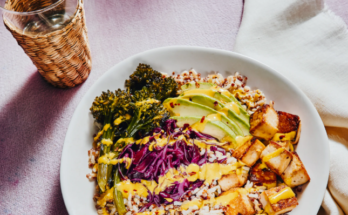
Nutrition also plays a central role in shaping your lifestyle. Rather than following restrictive diets, it is more sustainable to aim for balance. Incorporating whole foods like fruits, vegetables, grains, and lean proteins into your meals provides essential nutrients your body needs to function well. Paying attention to portion sizes and eating mindfully can help prevent overeating while allowing you to enjoy your meals more. Staying hydrated is equally important, as water supports digestion, energy levels, and overall bodily functions.
Physical activity is another key component of a better lifestyle, but it does not have to mean intense workouts or hours at the gym. Finding activities you enjoy makes it easier to stay consistent. Whether it is walking, cycling, dancing, or practicing yoga, movement should feel like a positive part of your day rather than a chore. Even small amounts of daily activity can improve cardiovascular health, boost mood, and increase energy levels over time.
Mental well-being is just as important as physical health, yet it is often overlooked. Taking time to manage stress and nurture your emotional health can make a significant difference in your quality of life. Simple practices such as deep breathing, journaling, or spending time in nature can help you stay grounded and reduce anxiety. Building self-awareness allows you to recognize what affects your mood and make adjustments that support your well-being.
Another valuable lifestyle tip is to cultivate meaningful relationships. Human connection is essential for emotional health, and maintaining strong relationships can provide support during challenging times. Making time for friends, family, or community activities helps create a sense of belonging and fulfillment. Communication and active listening strengthen these connections, making them more rewarding and resilient.
Time management is also an important factor in achieving a balanced lifestyle. When you organize your time effectively, you reduce stress and create space for activities that matter most. Setting realistic goals and prioritizing tasks can help you stay focused without feeling overwhelmed. It is equally important to schedule time for rest and relaxation, as constant busyness can lead to burnout.
Limiting exposure to negative influences can further support better lifestyle choices. This includes being mindful of the content you consume, whether through social media, news, or other sources. Choosing uplifting and informative content can positively influence your mindset and motivation. Similarly, surrounding yourself with supportive and positive individuals can encourage healthier habits and attitudes.
Financial well-being also contributes to overall lifestyle quality. Managing your finances responsibly can reduce stress and provide greater freedom to make choices that align with your goals. Creating a budget, saving regularly, and avoiding unnecessary expenses are simple steps that can lead to long-term stability. Financial awareness allows you to focus more on personal growth and less on financial worries.
Personal growth is another essential aspect of a better lifestyle. Continuously learning new skills or exploring interests keeps your mind engaged and adaptable. Whether it is reading, taking courses, or developing a hobby, investing in yourself can increase confidence and satisfaction. Growth does not have to be rapid; even small steps forward can lead to meaningful progress over time.
Maintaining balance is perhaps the most important principle of all. A better lifestyle is not about perfection but about consistency and flexibility. There will be days when things do not go as planned, and that is completely normal. What matters is your ability to adjust and continue moving forward without harsh self-judgment. Being kind to yourself and acknowledging your efforts can make the journey more sustainable and enjoyable.
Creating a better lifestyle also involves setting boundaries. Knowing when to say no and protecting your time and energy helps prevent unnecessary stress. Boundaries allow you to focus on what truly matters and maintain a sense of control over your life. They also help others understand your priorities and respect your needs.
Another helpful tip is to practice gratitude. Taking a moment each day to reflect on what you appreciate can shift your perspective and improve your overall outlook. Gratitude encourages positivity and helps you recognize the value in everyday experiences. Over time, this mindset can contribute to greater happiness and resilience.
Technology can be both a benefit and a distraction, so using it wisely is important. While digital tools can improve efficiency and connectivity, excessive use can interfere with sleep, productivity, and mental health. Setting limits on screen time and creating tech-free moments during the day can help you stay present and focused.
Finally, consistency is the key to lasting change. Small, positive actions repeated over time create meaningful results. Rather than trying to change everything at once, focus on one or two areas and build from there. This approach makes it easier to maintain new habits and reduces the likelihood of feeling overwhelmed.
In conclusion, better lifestyle choices are built on simple, practical steps that support your physical, mental, and emotional well-being. By focusing on habits such as healthy eating, regular movement, quality sleep, meaningful relationships, and personal growth, you can create a balanced and fulfilling life. The goal is not to achieve perfection but to make steady progress that aligns with your values and aspirations. Over time, these small changes can lead to a healthier, happier, and more satisfying lifestyle.