Getting into better shape does not have to feel overwhelming or extreme. Fitness is often portrayed as an all-or-nothing journey filled with strict routines, long workouts, and rigid diets. In reality, building a healthier lifestyle can be simple, gradual, and even enjoyable. The key is to focus on consistency, balance, and realistic expectations rather than perfection.
Fitness begins with understanding that every body is different. What works well for one person may not suit another, and that is completely normal. Instead of comparing yourself to others, it is more helpful to pay attention to how your own body feels and responds. Small improvements, such as having more energy throughout the day or sleeping better at night, are meaningful signs of progress that deserve recognition.
One of the easiest ways to start improving fitness is by incorporating more movement into daily life. This does not necessarily mean going to a gym or following an intense workout program. Simple actions like taking a brisk walk, using the stairs instead of the elevator, or stretching in the morning can make a difference over time. These small steps help build a foundation that can later support more structured activities if desired.
Consistency matters far more than intensity. Many people begin their fitness journey with high motivation, only to lose momentum after a few weeks because the routine feels too demanding. A better approach is to start with manageable activities that fit comfortably into your schedule. Even ten to twenty minutes of movement each day can lead to noticeable improvements when done regularly. Over time, these habits become part of your routine rather than something you have to force yourself to do.
It is also important to choose activities that you genuinely enjoy. Fitness should not feel like a punishment. Whether it is dancing, swimming, cycling, or practicing yoga, enjoying the activity increases the likelihood that you will stick with it. When movement feels fun, it becomes something to look forward to rather than avoid.
Another important aspect of fitness is strength. Building strength is not just about appearance; it supports everyday activities like carrying groceries, maintaining good posture, and reducing the risk of injury. Strength training can be done using bodyweight exercises such as squats, push-ups, or lunges. These exercises can be modified to match your current ability level, making them accessible for beginners and adaptable as you grow stronger.
Flexibility and mobility are often overlooked but play a valuable role in overall fitness. Gentle stretching or mobility exercises can help improve the range of motion and reduce stiffness. This can be especially helpful for people who spend long hours sitting. Taking a few minutes each day to stretch can contribute to better movement and comfort in daily activities.
Rest and recovery are just as important as activity. Giving your body time to recover allows muscles to repair and grow stronger. It also helps prevent burnout and fatigue. Quality sleep is a major part of recovery, and maintaining a regular sleep schedule can support both physical and mental well-being. Listening to your body and taking rest days when needed is a sign of awareness, not weakness.
Nutrition also plays a supportive role in fitness. Rather than focusing on strict rules or eliminating entire food groups, a balanced approach tends to be more sustainable. Eating a variety of foods that include fruits, vegetables, whole grains, and protein sources can provide the nutrients your body needs to function well. Staying hydrated is equally important, as water supports energy levels and overall health.
Setting realistic goals can help maintain motivation. Instead of aiming for dramatic changes in a short time, it is more effective to set small, achievable goals. For example, you might aim to walk a certain number of steps each day or complete a few short workouts each week. Achieving these goals builds confidence and encourages you to continue.
Tracking progress can also be helpful, but it does not need to be complicated. Some people prefer to keep a simple journal or use an app to note their activities. Others may focus on how they feel physically and mentally. Progress is not always visible in the mirror, and improvements in strength, endurance, and mood are equally valuable indicators.
It is natural to experience ups and downs along the way. There may be days when you feel less motivated or when life gets busy and routines are disrupted. Instead of viewing these moments as failures, it is more helpful to see them as part of the process. Returning to your routine, even in a small way, helps maintain long-term consistency.
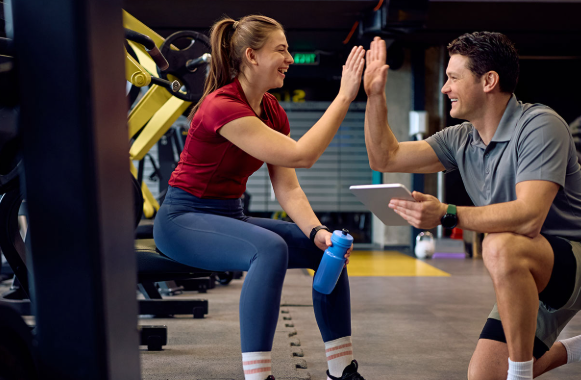
Support from others can make a positive difference. Whether it is a friend, family member, or a community group, sharing your journey can provide encouragement and accountability. Even discussing goals with someone you trust can help you stay focused and motivated.
Technology can also be a useful tool when used thoughtfully. There are many resources available, such as online classes or guided workouts, that can help you explore new activities. However, it is important to choose content that feels supportive and realistic rather than overwhelming or unrealistic.
A balanced mindset is essential for long-term success. Fitness is not just about physical changes; it is also about feeling better, having more energy, and improving overall well-being. Celebrating small wins, being patient with yourself, and maintaining a positive outlook can make the journey more enjoyable.
As you continue to build your fitness habits, remember that progress takes time. There is no need to rush or follow trends that promise quick results. Sustainable changes are those that can be maintained over the long term. By focusing on consistency, enjoyment, and balance, you can create a routine that supports your health in a way that feels natural and achievable.
Ultimately, better fitness is about making choices that support your well-being while respecting your individual needs and preferences. By taking small steps, staying consistent, and maintaining a friendly and flexible approach, you can build a healthier lifestyle that lasts.