Cooking does not need to be complicated, expensive, or stressful to be enjoyable. In fact, some of the best meals come from the simplest ideas. Whether someone is just beginning in the kitchen or has years of experience, clean and simple cooking can make daily meals easier, healthier, and more satisfying. By focusing on basic ingredients, straightforward methods, and mindful preparation, anyone can create dishes that feel both comforting and nourishing.
At its core, clean cooking is about using fresh, wholesome ingredients and preparing them in ways that preserve their natural flavors. This does not require special skills or fancy equipment. A few reliable techniques, such as roasting, sautéing, steaming, or boiling, can transform everyday ingredients into delicious meals. Keeping things simple also helps reduce food waste and saves time, which is especially important for people with busy schedules.
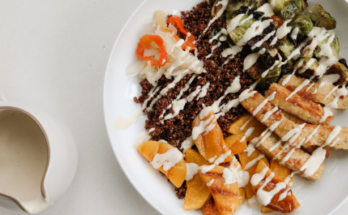
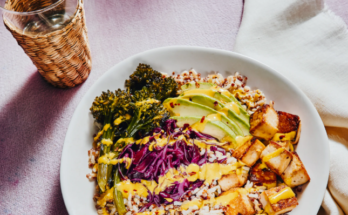
One helpful approach is to build meals around a few key components. A balanced dish often includes a source of protein, a serving of vegetables, and a simple carbohydrate such as rice, potatoes, or bread. For example, grilled chicken with roasted vegetables and a side of rice is easy to prepare and offers a satisfying combination of flavors and textures. The same concept can be adapted in many ways using different ingredients, making it flexible for various tastes and dietary preferences.
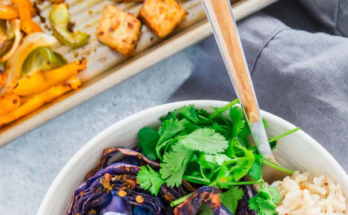
Preparation plays an important role in keeping cooking simple. Washing and cutting vegetables ahead of time can make a big difference during the week. Cooking larger portions and storing leftovers properly also allows for quick meals on busy days. A pot of soup or a tray of roasted vegetables can be used in different ways throughout the week, reducing the need to start from scratch each time.
Seasoning does not have to be complicated either. A few basic ingredients such as salt, pepper, garlic, and herbs can bring out the natural taste of food without overpowering it. Lemon juice or a splash of vinegar can add brightness to a dish, while a drizzle of olive oil can enhance both flavor and texture. Learning how to balance these simple elements can elevate even the most basic recipes.
Another useful idea is to focus on one-pan or one-pot meals. These dishes are not only easy to prepare but also minimize cleanup, which makes cooking more enjoyable. A simple stir-fry, for instance, allows vegetables and protein to cook together in a single pan, creating a cohesive meal in a short amount of time. Similarly, soups and stews can be prepared in one pot and adjusted easily depending on what ingredients are available.
Clean cooking also encourages mindful choices without being restrictive. It is not about strict rules but about making thoughtful decisions that support well-being. Choosing fresh produce, lean proteins, and whole grains when possible can contribute to a balanced diet. At the same time, it is important to allow flexibility and enjoy food without unnecessary pressure.
For beginners, starting with a few reliable recipes can build confidence in the kitchen. Simple dishes such as scrambled eggs with vegetables, pasta with a light sauce, or baked fish with herbs are great starting points. As skills improve, these recipes can be adapted and expanded with new ingredients and techniques. Cooking should feel like a gradual learning process rather than something overwhelming.
Time management is another key aspect of simple cooking. Planning meals ahead can reduce last-minute stress and help ensure that ingredients are available when needed. Even a loose plan for the week can make grocery shopping more efficient and prevent unnecessary purchases. Keeping a small selection of pantry staples, such as rice, beans, canned tomatoes, and spices, also makes it easier to put together a meal quickly.
Clean cooking can also be a creative outlet. Trying new combinations of ingredients or experimenting with different cooking methods can make the process more enjoyable. It is not necessary to follow recipes exactly every time. Adjusting flavors to suit personal preferences allows each meal to feel unique and satisfying.
Another benefit of simple cooking is that it can bring people together. Preparing and sharing meals with family or friends creates opportunities for connection and conversation. Even a basic home-cooked dish can feel special when enjoyed with others. Cooking together can also be a fun way to learn new skills and share ideas.
Affordability is an important factor for many people, and simple cooking can help manage food costs. Using seasonal ingredients, buying in bulk when appropriate, and making use of leftovers are practical ways to save money. Meals do not need to rely on expensive or hard-to-find items to be enjoyable. Often, the most satisfying dishes come from everyday ingredients prepared with care.
Clean and simple cooking also supports a more relaxed approach to eating. Instead of focusing on perfection, it encourages consistency and balance. Some meals may be more elaborate, while others are quick and basic, and both have value. The goal is to create a sustainable routine that fits into daily life.
For those who feel unsure about cooking, it can help to start small. Preparing just one or two meals at home each week can build confidence over time. Gradually, these habits can grow into a regular routine. Mistakes are part of the learning process, and each experience offers an opportunity to improve.
In the end, clean and simple cooking is about making food approachable for everyone. It removes unnecessary complexity and focuses on what truly matters: nourishing the body, enjoying the process, and creating meals that bring comfort and satisfaction. By keeping things straightforward and flexible, anyone can develop a positive relationship with cooking and discover the joy of preparing food at home.