Taking care of your body is a personal journey that looks different for everyone. Whether your goal is to feel more energetic, build strength, improve balance, or simply maintain overall wellness, the most important step is creating habits that are sustainable and supportive. Instead of chasing quick fixes or extreme changes, focusing on consistent, positive actions can help you move closer to your goals in a healthy and balanced way.
Understanding your body’s needs is the foundation of any successful approach. Every person has a unique lifestyle, metabolism, and set of priorities. Listening to your body means paying attention to how you feel throughout the day, how you respond to certain foods, and how your energy levels shift depending on your routine. This awareness can guide you toward choices that genuinely support your well-being rather than following trends that may not suit you.
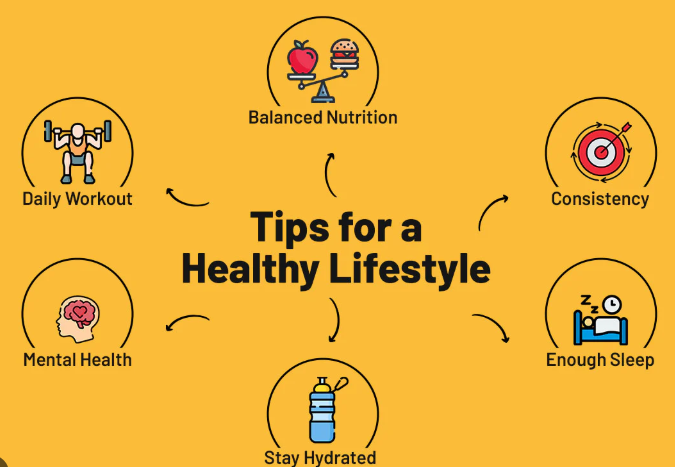
Nutrition plays a central role in supporting body goals, but it does not have to be complicated or restrictive. A balanced approach that includes a variety of whole foods can provide the nutrients your body needs to function effectively. Incorporating fruits, vegetables, lean proteins, healthy fats, and whole grains into your meals helps support energy, recovery, and overall health. Rather than focusing on what to eliminate, it can be more helpful to think about what you can add to improve your meals.
Hydration is another simple yet powerful way to support your body. Drinking enough water throughout the day helps maintain essential bodily functions, supports digestion, and can even improve concentration. Many people underestimate the importance of staying hydrated, but making it a regular habit can have a noticeable impact on how you feel.
Physical activity is an important part of maintaining a healthy lifestyle, but it does not have to mean intense workouts or long hours at the gym. Finding movement that you enjoy can make a big difference in staying consistent. This could include walking, dancing, stretching, cycling, or participating in sports. The key is to choose activities that fit naturally into your routine and bring you a sense of satisfaction.
Rest and recovery are often overlooked, yet they are essential for supporting your body. Sleep allows your body to repair and recharge, while rest days give your muscles time to recover. Creating a consistent sleep schedule and prioritizing relaxation can improve both physical and mental well-being. When your body is well-rested, you are more likely to stay motivated and make positive choices.
Mental well-being is closely connected to physical health. Stress, for example, can affect energy levels, sleep quality, and even eating habits. Taking time to manage stress through simple practices like deep breathing, mindfulness, or spending time outdoors can support your overall goals. Building a positive mindset also helps you stay focused and resilient when facing challenges.
Setting realistic and achievable goals is another important step. Instead of aiming for dramatic changes in a short period, consider breaking your goals into smaller, manageable steps. This approach allows you to track progress more effectively and celebrate improvements along the way. Consistency over time often leads to more lasting results than quick, temporary efforts.
It is also helpful to remember that progress is not always linear. There may be times when you feel like you are not moving forward as quickly as you would like. During these moments, it is important to stay patient and avoid being too hard on yourself. Every small step you take contributes to your overall journey, even if the results are not immediately visible.
Support from others can make a meaningful difference as well. Sharing your goals with friends, family, or a supportive community can provide encouragement and accountability. Having someone to talk to or share experiences with can make the process more enjoyable and less overwhelming.
Another key aspect of supporting your body is maintaining flexibility in your approach. Life can be unpredictable, and your routine may need to adapt over time. Being open to adjusting your habits allows you to stay consistent even when circumstances change. This flexibility can help you maintain progress without feeling discouraged by temporary setbacks.
It is also important to approach your goals with a sense of balance. Extreme approaches can sometimes lead to burnout or frustration. Instead, aim for a lifestyle that feels sustainable and enjoyable. When your habits align with your preferences and daily life, you are more likely to stick with them long term.
Tracking your progress can be motivating, but it does not have to focus solely on numbers. Pay attention to how you feel, your energy levels, and your overall sense of well-being. These indicators can provide valuable insight into how your efforts are supporting your body.
Educating yourself about health and wellness can also empower you to make informed decisions. However, it is important to rely on credible sources and avoid misinformation. Taking a thoughtful and balanced approach to learning can help you build habits that are both safe and effective.
Celebrating small achievements along the way can keep you motivated. Recognizing your efforts, no matter how minor they may seem, reinforces positive behavior and encourages you to continue. Progress is built on consistent actions, and acknowledging those actions can make a significant difference.
Ultimately, supporting your body goals is about creating a lifestyle that works for you. There is no one-size-fits-all solution, and what matters most is finding an approach that feels realistic and rewarding. By focusing on balance, consistency, and self-awareness, you can build habits that support your well-being over time.
Your journey is unique, and it is important to move at a pace that feels right for you. With patience, commitment, and a positive mindset, you can take meaningful steps toward your goals while maintaining a healthy and supportive approach to your body.