Improving your body is a goal many people share, but the approach you take can make all the difference in whether the journey feels rewarding or overwhelming. A balanced path focuses not only on physical changes, but also on long-term well-being, mental health, and sustainable habits. Rather than chasing extreme transformations or unrealistic expectations, body improvement can be approached as a gradual, positive process that supports your overall quality of life.
At its core, body improvement begins with understanding your personal motivations. Some people want to feel stronger, others aim to increase energy levels, and many simply want to feel more comfortable in their own skin. There is no single correct reason to pursue change. What matters is that your goals are rooted in self-care rather than pressure or comparison. When motivation comes from a healthy place, it becomes easier to stay consistent and avoid burnout.
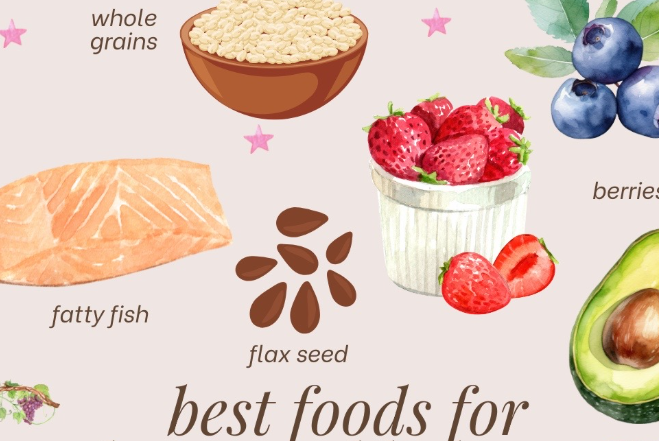
One of the most important aspects of body improvement is developing a balanced relationship with food. Nutrition is not about strict restriction or labeling foods as “good” or “bad.” Instead, it is about nourishing your body with a variety of nutrients while still allowing flexibility. A well-rounded diet typically includes whole foods such as fruits, vegetables, lean proteins, whole grains, and healthy fats. At the same time, occasional treats can fit into a healthy lifestyle without guilt. This balanced approach helps prevent cycles of deprivation and overindulgence, making it more sustainable in the long run.
Hydration also plays a key role in supporting your body. Drinking enough water throughout the day helps maintain energy levels, supports digestion, and contributes to overall health. While individual needs vary, paying attention to your body’s signals is a simple way to ensure you are staying properly hydrated.
Physical activity is another cornerstone of body improvement, but it does not need to be extreme or complicated. The best form of exercise is one that you enjoy and can maintain consistently. This might include walking, cycling, swimming, strength training, or group fitness classes. Mixing different types of movement can help improve strength, flexibility, and cardiovascular health. Importantly, rest and recovery are just as valuable as activity. Giving your body time to recover reduces the risk of injury and supports steady progress.
Consistency matters more than intensity when it comes to exercise. Short, regular sessions often produce better results than occasional bursts of extreme effort. Over time, small actions build momentum, leading to noticeable improvements in strength, endurance, and confidence. Celebrating these small wins can help reinforce positive habits and keep motivation high.
Sleep is often overlooked, yet it plays a crucial role in body improvement. Quality sleep supports muscle recovery, hormone balance, and mental clarity. Establishing a regular sleep routine, limiting screen time before bed, and creating a comfortable sleep environment can make a significant difference. When your body is well-rested, it becomes easier to make healthy choices throughout the day.
Mental and emotional well-being are deeply connected to physical health. Stress, for example, can influence eating habits, energy levels, and overall motivation. Finding ways to manage stress is an essential part of a balanced approach. This might include mindfulness practices, spending time outdoors, engaging in hobbies, or connecting with supportive friends and family. Taking care of your mental health is not separate from body improvement; it is a fundamental part of it.
It is also important to approach progress with patience. Meaningful change takes time, and results may not always be immediately visible. Focusing only on appearance can lead to frustration, especially if expectations are unrealistic. Instead, consider tracking progress in multiple ways, such as increased strength, improved stamina, better mood, or enhanced daily functioning. These indicators often provide a more accurate picture of your overall progress.
Avoiding comparison is another key element of a healthy journey. Everyone’s body is different, and factors such as genetics, lifestyle, and starting point all influence results. Comparing yourself to others can create unnecessary pressure and detract from your own achievements. By focusing on your personal progress, you can build a more positive and sustainable mindset.
Setting realistic and flexible goals can help guide your efforts. Rather than aiming for drastic changes in a short period, consider setting smaller, achievable milestones. For example, you might aim to move your body several times a week, include more whole foods in your meals, or improve your sleep routine. As these habits become part of your daily life, they naturally contribute to larger improvements over time.
Support can also play a valuable role in your journey. Whether it comes from friends, family, or professional guidance, having encouragement can make challenges feel more manageable. Sharing your goals with others can create a sense of accountability and connection. At the same time, it is important to listen to your own body and make choices that align with your needs and values.
Another helpful perspective is to view body improvement as a lifelong process rather than a temporary effort. Quick fixes and extreme approaches may offer short-term results, but they are often difficult to maintain. By focusing on habits that you can sustain over time, you create a foundation for lasting well-being. This shift in mindset can reduce pressure and make the journey more enjoyable.
It is also worth recognizing that setbacks are a normal part of any process. There may be times when routines are disrupted or motivation feels low. Instead of viewing these moments as failures, consider them opportunities to learn and adjust. Returning to your habits, even in small ways, helps reinforce resilience and keeps you moving forward.
Ultimately, body improvement is not about achieving perfection. It is about creating a balanced lifestyle that supports your physical, mental, and emotional health. By focusing on consistency, self-care, and realistic expectations, you can build habits that enhance your well-being over time. The goal is not just to look better, but to feel stronger, healthier, and more confident in your everyday life.
This balanced approach allows you to move forward at your own pace, making choices that support your unique needs. With patience and a positive mindset, body improvement becomes less about pressure and more about empowerment, helping you create a healthier and more fulfilling lifestyle.