Cooking at home has quietly transformed from a daily necessity into an opportunity for creativity, wellness, and connection. As more people become mindful of what they eat, nutritious cooking is no longer about restriction or bland meals. Instead, it is about discovering fresh ideas that bring both flavor and balance to the table. With a thoughtful approach, healthy meals can feel exciting, satisfying, and deeply enjoyable.
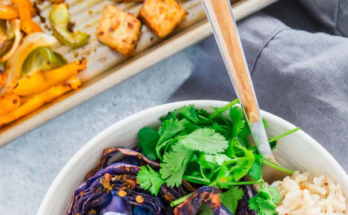
One of the simplest ways to refresh your cooking routine is by rethinking how you use vegetables. Instead of treating them as side dishes, consider making them the centerpiece of your meals. Roasting vegetables like carrots, eggplant, and cauliflower enhances their natural sweetness and creates a rich depth of flavor. Adding herbs, spices, and a drizzle of olive oil can transform these ingredients into something vibrant and comforting. Even familiar vegetables can feel new when prepared differently, such as spiralizing zucchini into noodles or blending roasted peppers into a smooth sauce.
Whole grains also offer a great foundation for nutritious cooking while allowing plenty of room for creativity. Ingredients like quinoa, brown rice, and farro are not only filling but also versatile. They can be paired with roasted vegetables, lean proteins, or fresh herbs to create balanced meals that are both hearty and wholesome. Cooking grains in vegetable broth instead of water can add subtle flavor without extra effort, making dishes feel more complete.
Another fresh idea is to experiment with global flavors while keeping meals nutritious. Drawing inspiration from different cuisines can introduce new ingredients and techniques into your kitchen. For example, Mediterranean-style dishes often feature olive oil, legumes, and fresh herbs, while Asian-inspired meals might incorporate ginger, garlic, and light sauces that enhance rather than overwhelm natural flavors. Exploring these influences can make healthy cooking feel less repetitive and more adventurous.
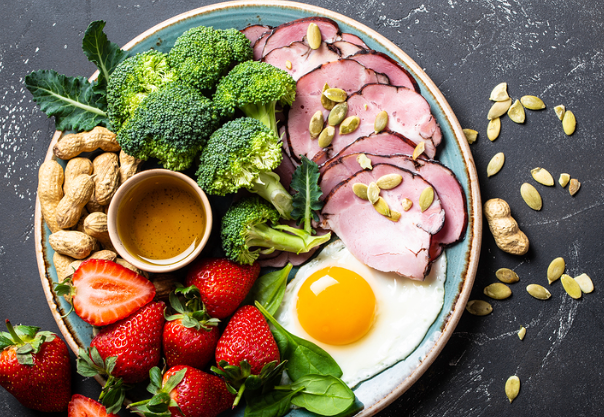
Protein choices play an important role in nutritious cooking, and there are many creative ways to include them without relying on heavy or processed options. Beans, lentils, tofu, and lean meats can be prepared in ways that highlight their texture and taste. Marinating proteins in simple mixtures of herbs, citrus, and spices can elevate their flavor without adding unnecessary ingredients. Combining plant-based and animal-based proteins within the same meal can also create a balanced and satisfying dish.
Fresh herbs deserve special attention when thinking about nutritious cooking. They have the ability to brighten dishes and add complexity without extra calories or additives. A handful of chopped parsley, basil, or cilantro can completely change the character of a meal. Growing herbs at home, even in a small space, can make it easier to incorporate them regularly and ensure they are always available.
Healthy cooking also benefits from thoughtful preparation techniques. Steaming, grilling, and baking are methods that preserve nutrients while enhancing natural flavors. Using these techniques instead of deep frying can make meals lighter while still enjoyable. For instance, grilling vegetables brings out a smoky richness, while baking fish with herbs and lemon creates a clean and delicate taste.
Sauces and dressings are another area where fresh ideas can make a big difference. Instead of relying on store-bought options, creating simple homemade versions can improve both flavor and nutritional value. A dressing made from olive oil, lemon juice, and a touch of honey can be both refreshing and balanced. Blending avocado with herbs and a splash of citrus can create a creamy sauce without the need for heavy ingredients.
Meal planning can support nutritious cooking by reducing stress and encouraging variety. Taking a little time to plan meals for the week allows you to include a range of ingredients and avoid falling back on repetitive choices. Preparing some components in advance, such as chopping vegetables or cooking grains, can make it easier to assemble meals quickly without sacrificing quality.
Incorporating seasonal ingredients is another effective way to keep cooking fresh and exciting. Seasonal produce is often more flavorful and can inspire new recipes based on what is currently available. Visiting local markets or simply paying attention to what is in season can help you discover ingredients you might not usually use. This approach not only supports variety but also connects you more closely with the food you prepare.
Texture is an often-overlooked aspect of nutritious cooking, yet it plays a significant role in how enjoyable a meal feels. Combining different textures, such as crunchy nuts, creamy sauces, and tender vegetables, can make dishes more satisfying. Adding a sprinkle of seeds or toasted nuts to salads or grain bowls can provide both texture and nutritional benefits.
Another fresh idea is to involve creativity in presentation. While it may seem simple, arranging food in an appealing way can enhance the overall experience of a meal. Using colorful ingredients and thoughtful plating can make even the healthiest dishes feel inviting. This approach can be especially helpful for encouraging positive eating habits among family members.
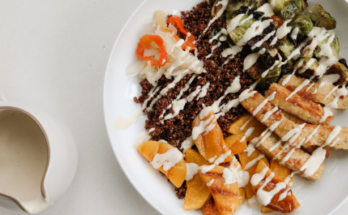
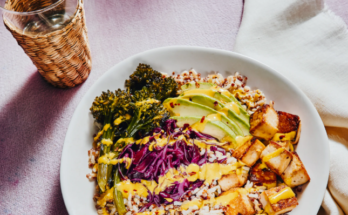
Nutritious cooking does not have to be complicated or time-consuming. In fact, some of the most satisfying meals are the simplest ones. A bowl of whole grains topped with roasted vegetables, a source of protein, and a flavorful sauce can come together quickly while offering balance and nourishment. Keeping your pantry stocked with versatile ingredients makes it easier to create meals without much planning.
It is also helpful to approach cooking with a sense of curiosity rather than pressure. Trying new ingredients or techniques does not have to be perfect. Small adjustments, such as adding a new spice or changing a cooking method, can lead to unexpected and enjoyable results. Over time, these small experiments can build confidence and expand your range of meals.
Hydration and mindful eating can complement nutritious cooking. Paying attention to how meals make you feel and taking time to enjoy them can enhance the overall experience. Drinking enough water and including a variety of foods helps support balance without focusing on strict rules.
Ultimately, fresh ideas for nutritious cooking come from a willingness to explore and adapt. By focusing on whole ingredients, simple techniques, and creative combinations, it is possible to create meals that are both healthy and enjoyable. Cooking becomes less about limitation and more about discovery, offering endless opportunities to nourish both body and mind.