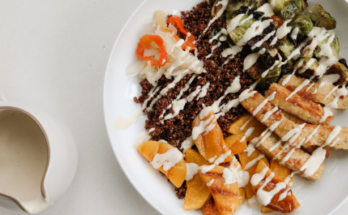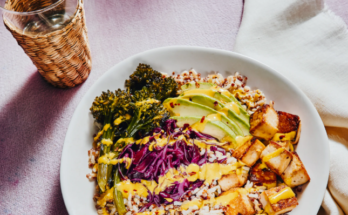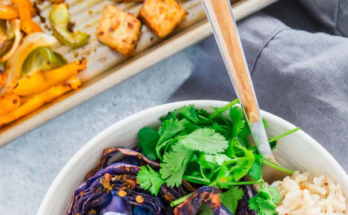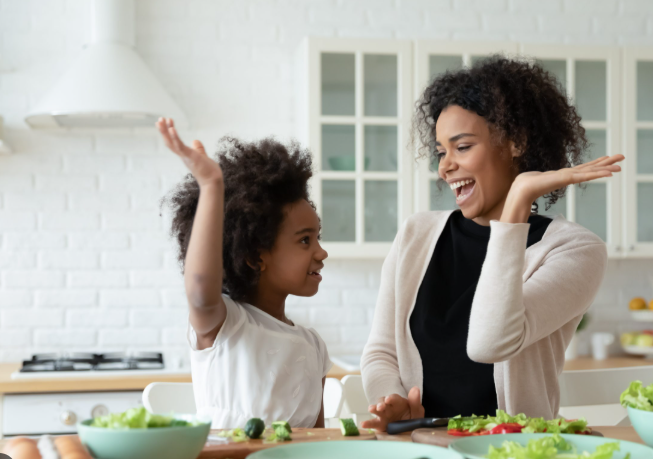
Grilling is another popular approach that can be both healthy and flavorful when done properly. By allowing excess fat to drip away from the food, grilling reduces overall fat content. It also enhances taste through natural caramelization. However, it is important to avoid charring, as overexposure to high heat can create compounds that are not beneficial. Keeping a moderate temperature and turning food regularly helps achieve the best results.
Baking offers a convenient and versatile way to prepare meals without excessive oil. From vegetables to lean proteins, baking allows for even cooking while preserving moisture and nutrients. Using herbs, spices, and natural seasonings instead of heavy sauces can elevate flavor without adding unnecessary sodium or sugar. This makes baking a reliable choice for those looking to maintain a clean and balanced diet.
Sautéing can also be part of healthy cooking when done mindfully. Using a small amount of heart-friendly oils such as olive oil or avocado oil allows ingredients to cook quickly while maintaining their texture and nutritional value. The key is to avoid overheating the oil and to use just enough to prevent sticking. Adding fresh garlic, onions, or herbs can enhance taste without relying on processed ingredients.
Another important aspect of clean cooking is choosing fresh and high-quality ingredients. Whole foods such as fruits, vegetables, whole grains, and lean proteins provide essential nutrients without unnecessary additives. Preparing meals at home gives better control over what goes into the dish, helping reduce exposure to preservatives, artificial flavors, and excessive salt or sugar often found in processed foods.
Hydration and cooking liquids also play a role in maintaining food quality. Using water, broth, or natural juices instead of heavy creams or artificial sauces can make dishes lighter and easier to digest. Simple adjustments like these can have a meaningful impact on overall dietary habits without sacrificing satisfaction.
Food safety is equally important in clean cooking practices. Proper washing of fruits and vegetables helps remove dirt and potential contaminants. Cooking meats to safe temperatures ensures that harmful bacteria are eliminated. Keeping kitchen surfaces and utensils clean further supports a safe cooking environment and promotes confidence in the meals being prepared.
Portion awareness is another element that complements healthy cooking methods. Even when meals are prepared using clean techniques, balanced portions help maintain energy levels and prevent overeating. Paying attention to hunger cues and enjoying meals slowly can improve digestion and overall satisfaction.
Flavor does not need to be compromised when focusing on healthy cooking. Natural seasonings such as herbs, spices, citrus, and garlic can create rich and satisfying dishes without relying on excessive salt or sugar. Experimenting with different combinations can make meals more exciting while keeping them aligned with wellness goals.
It is also helpful to adopt cooking habits that fit into daily routines. Preparing meals in advance, using simple recipes, and keeping ingredients readily available can make it easier to maintain consistency. Healthy cooking should feel approachable rather than overwhelming, allowing it to become a sustainable part of everyday life.
Incorporating a variety of cooking methods adds diversity to meals and ensures a broader range of nutrients. Rotating between steaming, grilling, baking, and light sautéing keeps meals interesting while supporting overall health. This variety encourages a more balanced diet and helps prevent monotony.
Clean and healthy cooking is not about strict limitations or removing enjoyment from food. It is about making thoughtful choices that support both physical health and personal satisfaction. By focusing on simple techniques, fresh ingredients, and mindful preparation, it becomes possible to create meals that are both nourishing and enjoyable.
Over time, these habits can lead to lasting benefits, including improved energy levels, better digestion, and a stronger sense of well-being. Cooking at home with care and intention allows for greater connection to the food being consumed and fosters a positive relationship with eating.
Ultimately, clean and healthy cooking methods provide a practical and rewarding way to support a balanced lifestyle. With a focus on freshness, simplicity, and mindful preparation, anyone can create meals that contribute to long-term health while still being full of flavor and enjoyment.