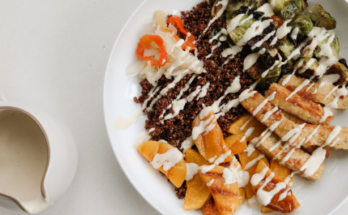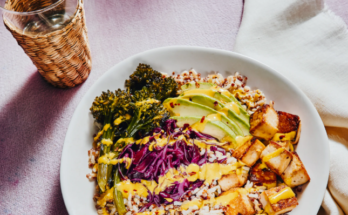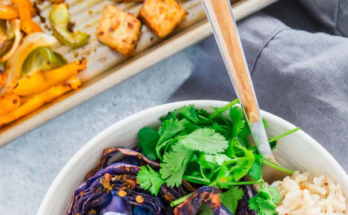
In today’s fast-moving world, the idea of cooking at home can feel like a luxury rather than a daily habit. Yet clean cooking is not about perfection, expensive ingredients, or complicated routines. It is about making simple, thoughtful choices that support your overall well-being while keeping meals enjoyable and satisfying. By focusing on fresh ingredients, balanced preparation methods, and mindful habits, clean cooking can become a natural and sustainable part of everyday life.
Clean cooking begins with the quality of ingredients. Choosing whole foods such as fresh vegetables, fruits, grains, legumes, and responsibly sourced proteins helps create meals that are both nourishing and flavorful. These ingredients are typically less processed and contain fewer additives, making them easier for the body to use effectively. When possible, selecting seasonal produce can enhance both taste and nutritional value, while also being more cost-friendly. Even small steps, like adding an extra serving of vegetables to a dish or replacing refined grains with whole grains, can make a noticeable difference over time.
Equally important is how food is prepared. Cooking methods play a major role in maintaining nutrients and avoiding unnecessary fats or harmful compounds. Techniques such as steaming, sautéing with minimal oil, baking, grilling, and stir-frying are commonly associated with clean cooking because they preserve natural flavors without overwhelming them. Using moderate heat and avoiding overcooking helps retain both texture and nutritional content. Simple seasoning with herbs, spices, garlic, citrus, and natural condiments can enhance taste without relying heavily on salt or artificial flavor enhancers.
Another key aspect of clean cooking is awareness of what goes into each meal. Reading labels when purchasing packaged items can help identify hidden sugars, excessive sodium, and artificial additives. While convenience foods can be useful in certain situations, choosing minimally processed options whenever possible supports better long-term health. Preparing meals at home allows for greater control over ingredients, portion sizes, and cooking methods, which can contribute to a more balanced diet.
Clean cooking does not mean eliminating all indulgences or following rigid rules. Instead, it encourages a flexible approach where balance is the goal. Enjoying a favorite treat occasionally can still fit within a clean cooking lifestyle when most meals are built around wholesome ingredients. This balanced mindset helps prevent feelings of restriction and supports a positive relationship with food.
Time management is often one of the biggest challenges for maintaining a clean cooking routine. Planning ahead can make a significant difference. Setting aside time to prepare ingredients in advance, such as washing and chopping vegetables or cooking grains in batches, can simplify meal preparation during busy days. Having a few reliable recipes that are quick and adaptable also helps reduce stress and encourages consistency. Even preparing one or two home-cooked meals per day can have a meaningful impact.
Kitchen organization also supports clean cooking habits. Keeping essential tools easily accessible and maintaining a clean workspace can make cooking feel more inviting rather than overwhelming. Stocking the pantry with staple ingredients like whole grains, beans, nuts, seeds, and spices ensures that nutritious options are always within reach. A well-organized kitchen can turn cooking from a chore into a more enjoyable and creative activity.
Hydration and mindful eating complement clean cooking practices. Drinking enough water throughout the day supports digestion and overall wellness, while eating slowly and paying attention to hunger and fullness cues can improve satisfaction and prevent overeating. Creating a calm environment during meals, even if only for a few minutes, can enhance the overall experience and help build a healthier connection with food.
Clean cooking also extends beyond personal health to include environmental awareness. Reducing food waste by using leftovers creatively, storing food properly, and planning meals carefully can make a positive difference. Choosing locally sourced ingredients when available may reduce environmental impact and support local communities. Simple habits such as using reusable containers and minimizing packaging can further align clean cooking with broader sustainability goals.
For those new to clean cooking, starting small is often the most effective approach. Making gradual changes allows habits to develop naturally without feeling overwhelming. For example, beginning with one home-cooked meal per day, experimenting with new vegetables, or trying a different cooking method can build confidence over time. As these habits become routine, it becomes easier to expand and maintain them.
It is also helpful to remember that clean cooking looks different for everyone. Personal preferences, cultural traditions, dietary needs, and available resources all play a role in shaping individual choices. Respecting these differences while focusing on the core principles of balance, simplicity, and awareness allows clean cooking to be inclusive and adaptable.
Family and social connections can further enhance the experience. Cooking and sharing meals together can strengthen relationships and create meaningful moments. Involving others in meal preparation, whether it is family members or friends, can make the process more enjoyable and encourage healthier habits for everyone involved.
Over time, clean cooking can become more than just a way of preparing food. It can evolve into a lifestyle that supports physical health, mental clarity, and emotional well-being. By focusing on simple, practical steps and maintaining a flexible mindset, it is possible to create meals that are both nourishing and enjoyable without unnecessary stress.
Ultimately, clean cooking for everyday wellness is about making mindful choices that fit into real life. It is not about strict rules or perfection, but about creating a sustainable approach to food that supports overall balance. With a little planning, creativity, and consistency, clean cooking can become a natural and rewarding part of daily living.