In today’s fast-paced world, many people want to eat well but feel overwhelmed by the idea of cooking healthy meals. The common perception is that nutritious food requires complicated recipes, expensive ingredients, and long hours in the kitchen. In reality, healthy cooking can be simple, quick, and enjoyable when approached with the right mindset and practical strategies. By focusing on ease, balance, and consistency, anyone can create meals that support well-being without adding stress to daily life.
One of the biggest barriers to healthy cooking is the belief that everything must be made from scratch. While homemade meals can be beneficial, they do not have to be elaborate. Using pre-washed vegetables, frozen fruits, or ready-to-cook grains can save time without sacrificing nutrition. These ingredients are often just as wholesome as fresh ones and can significantly reduce preparation time. The key is to choose options with minimal added ingredients and to keep things as natural as possible.
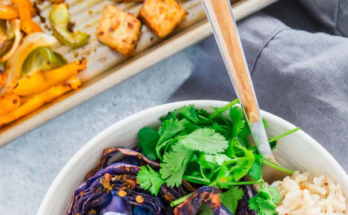
Planning ahead is another powerful way to simplify healthy cooking. Taking a few minutes to think about meals for the week can prevent last-minute decisions that often lead to less nutritious choices. This does not mean creating a rigid schedule. Instead, it involves having a general idea of what ingredients are available and how they can be combined. For example, cooking a batch of rice or roasted vegetables in advance can serve as the base for several meals throughout the week. This approach reduces daily effort while ensuring balanced meals are always within reach.
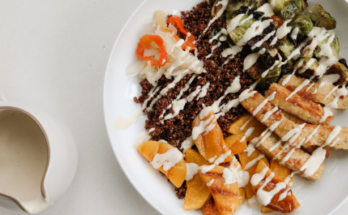
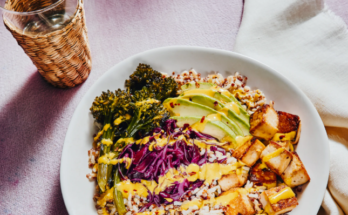
Keeping recipes simple is essential for maintaining consistency. Meals do not need to include many ingredients to be satisfying and nourishing. A combination of a protein source, a whole grain, and a variety of vegetables can create a complete and flavorful dish. For instance, grilled chicken with brown rice and steamed vegetables is both easy to prepare and nutritionally balanced. Adding herbs, spices, or a squeeze of citrus can enhance flavor without complicating the process.
Another helpful strategy is to focus on cooking methods that require minimal attention. Baking, steaming, and stir-frying are excellent options that allow for efficient preparation. These methods often involve placing ingredients together and letting them cook with little supervision. This not only saves time but also reduces the likelihood of feeling overwhelmed in the kitchen. Slow cookers and pressure cookers can also be valuable tools for those who want to prepare meals with minimal effort.
Healthy cooking does not mean eliminating all indulgent flavors. In fact, enjoying food is an important part of maintaining a balanced lifestyle. Instead of removing favorite dishes entirely, consider making small adjustments. Reducing excessive oil, salt, or sugar while adding more vegetables or whole ingredients can transform a meal into a healthier version without losing its appeal. This approach encourages sustainability, as it allows individuals to enjoy their meals while making better choices.
It is also important to recognize that healthy cooking should fit into one’s lifestyle rather than disrupt it. Everyone has different schedules, preferences, and levels of experience in the kitchen. Starting with small, manageable changes can make a significant difference over time. For someone new to cooking, preparing just one or two home-cooked meals per week can be a great beginning. Gradually increasing frequency as confidence grows can lead to lasting habits.
Time management plays a crucial role in reducing the hassle associated with cooking. Setting aside a specific time for meal preparation can create a routine that feels natural rather than burdensome. Even dedicating an hour to prepare ingredients in advance can make weekday cooking much easier. Washing, chopping, and storing ingredients ahead of time allows for quicker assembly when it is time to cook.
Another often overlooked aspect of healthy cooking is organization. Keeping the kitchen clean and well-arranged can make the cooking process smoother and more enjoyable. Knowing where ingredients and tools are located reduces unnecessary stress and saves valuable time. Simple habits like cleaning as you go and maintaining an organized pantry can significantly improve the overall experience.
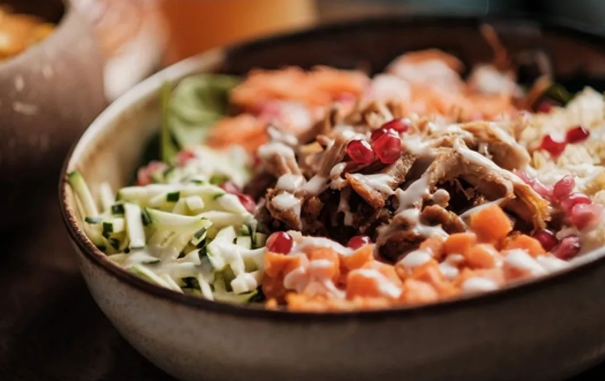
Variety is also important in keeping healthy cooking interesting. Eating the same meals repeatedly can lead to boredom and reduce motivation. Exploring different cuisines, trying new ingredients, or experimenting with flavors can make cooking more engaging. This does not require complex recipes. Even small changes, such as using different spices or swapping ingredients, can create a new and exciting dish.
Listening to your body and understanding personal preferences is key to maintaining a healthy approach to cooking. There is no one-size-fits-all solution when it comes to nutrition. Paying attention to how different foods make you feel can guide better choices over time. This awareness helps create meals that are both satisfying and beneficial, making healthy cooking a positive and rewarding experience.
It is also helpful to let go of the idea of perfection. Not every meal needs to be perfectly balanced or prepared with precision. What matters most is consistency and making choices that support overall well-being. Allowing flexibility reduces pressure and makes it easier to maintain healthy habits in the long run.
Involving others in the cooking process can also make it more enjoyable and less of a chore. Cooking with family or friends can turn meal preparation into a shared activity rather than a solitary task. This not only saves time but also creates an opportunity for connection and collaboration.
Healthy cooking without the hassle is about simplifying the process and focusing on what truly matters. By choosing convenient ingredients, planning ahead, keeping meals simple, and embracing flexibility, anyone can create nourishing meals without feeling overwhelmed. The goal is not to achieve perfection but to build sustainable habits that fit naturally into daily life. With a practical and positive approach, healthy cooking can become an easy and enjoyable part of any routine.