Healthy cooking is often misunderstood as a rigid, time-consuming task filled with bland flavors and strict rules. In reality, it can be one of the most rewarding and enjoyable parts of daily life. When approached with creativity and flexibility, preparing nutritious meals becomes less of a chore and more of an opportunity to explore flavors, improve well-being, and even build meaningful habits that last.
At its core, healthy cooking is about balance rather than perfection. It does not require eliminating all indulgences or following extreme diets. Instead, it encourages thoughtful choices such as incorporating more whole foods, using fresh ingredients, and preparing meals in ways that preserve nutrients. This approach allows room for enjoyment, which is essential for consistency. When food tastes good and feels satisfying, it is much easier to maintain healthy habits over time.
One of the simplest ways to make healthy cooking enjoyable is to focus on ingredients that naturally bring flavor. Fresh herbs like basil, cilantro, and mint can transform even the simplest dishes into something vibrant and exciting. Spices such as turmeric, cumin, and paprika add depth without the need for excessive salt or sugar. Citrus juices and zest can brighten meals, while garlic and ginger offer both taste and health benefits. By experimenting with these elements, cooking becomes an act of creativity rather than restriction.
Another key factor is convenience. Many people feel overwhelmed by the idea of preparing healthy meals because they assume it requires a lot of time. In reality, simple techniques like batch cooking or preparing ingredients in advance can make a significant difference. Washing and chopping vegetables ahead of time or cooking grains in larger portions can save effort during busy days. Quick meals such as stir-fries, salads, and one-pan dishes allow for nutritious cooking without spending hours in the kitchen.
The enjoyment of healthy cooking also comes from personalization. Everyone has different tastes, cultural influences, and dietary needs. Instead of following a one-size-fits-all approach, it is helpful to adapt recipes to suit individual preferences. If someone enjoys bold flavors, adding spices and sauces can enhance satisfaction. If comfort foods are appealing, healthier versions can be created by adjusting ingredients and cooking methods. This flexibility ensures that meals remain enjoyable while still supporting overall health.
Involving others in the cooking process can further enhance the experience. Cooking with family members or friends turns meal preparation into a shared activity rather than a solitary task. It can be a time to connect, learn from each other, and create lasting memories. Even children can participate by helping with simple tasks, which can encourage positive attitudes toward nutritious foods from a young age.
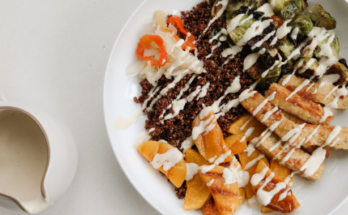
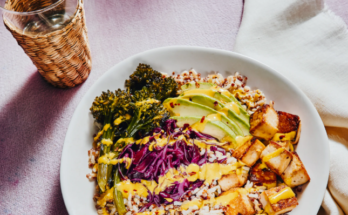
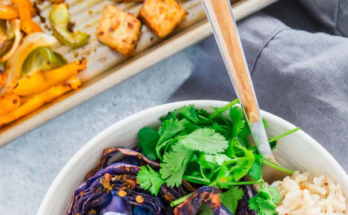
Presentation also plays an important role in enjoyment. A well-presented meal can make healthy food feel more appealing and satisfying. Simple steps like arranging colorful vegetables on a plate, using different textures, or serving meals in an inviting way can elevate the dining experience. Eating with attention and appreciation allows people to fully enjoy the flavors and effort that went into the meal.
Mindful cooking is another aspect that contributes to enjoyment. Instead of rushing through meal preparation, taking time to focus on the process can be calming and fulfilling. Paying attention to the aromas, textures, and sounds of cooking can turn it into a relaxing routine. This mindful approach not only enhances enjoyment but can also improve the quality of meals, as it encourages care and attention to detail.
Healthy cooking also supports long-term well-being. Preparing meals at home allows for greater control over ingredients, which can help reduce excessive intake of processed foods, added sugars, and unhealthy fats. Over time, these choices contribute to better energy levels, improved digestion, and overall health. However, it is important to approach this with a positive mindset rather than pressure. The goal is to feel good and enjoy the process, not to achieve perfection.
Exploring new recipes can keep healthy cooking exciting. Trying dishes from different cuisines introduces a variety of flavors and techniques, preventing boredom. It can also expand one’s understanding of how nutritious ingredients are used around the world. Even small changes, such as using a new spice or cooking method, can make a familiar meal feel fresh and interesting.
It is also helpful to create a comfortable cooking environment. A clean and organized kitchen, along with basic tools that make tasks easier, can improve the overall experience. Playing music or listening to a podcast while cooking can add an element of enjoyment and make the time feel less like a task and more like personal time.
Importantly, healthy cooking should allow for flexibility and occasional treats. Completely restricting certain foods can lead to frustration and make the process feel limiting. Allowing space for balance helps maintain a positive relationship with food. Enjoying a favorite dish occasionally does not take away from overall healthy habits. In fact, it can make those habits more sustainable.
Ultimately, healthy cooking is not about strict rules or complicated techniques. It is about creating meals that nourish the body while also bringing joy. By focusing on flavor, convenience, creativity, and balance, anyone can transform cooking into an enjoyable and fulfilling part of daily life. When the process is enjoyable, it naturally becomes something to look forward to rather than something to avoid.
With time, healthy cooking becomes more than just a routine. It becomes a way to express creativity, care for oneself and others, and build habits that support both physical and emotional well-being. By embracing this perspective, anyone can discover that healthy cooking is not only achievable but genuinely enjoyable.