Preparing balanced meals does not have to be complicated or time-consuming. Many people assume that eating well requires advanced culinary skills or expensive ingredients, but in reality, simple cooking techniques can provide everything your body needs to stay energized and healthy. By focusing on a few core principles and building meals from accessible, wholesome ingredients, anyone can create satisfying dishes that support a balanced lifestyle.
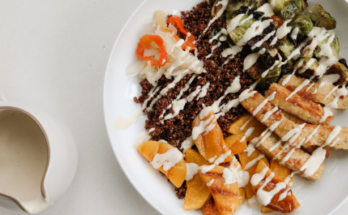
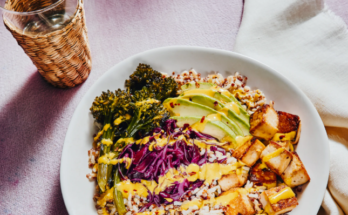
At the heart of balanced cooking is variety. A well-rounded meal typically includes a combination of carbohydrates, proteins, healthy fats, and a range of vitamins and minerals. Instead of worrying about perfection, it is more helpful to think about including different food groups in each meal. For example, pairing rice or whole grains with vegetables and a source of protein like beans, eggs, or fish can create a nourishing dish without much effort.
One of the simplest ways to achieve balance is by building meals around fresh ingredients. Vegetables play a central role because they are rich in nutrients and add color, texture, and flavor. You do not need complicated recipes to make vegetables enjoyable. Lightly sautéing greens with garlic, steaming carrots until tender, or roasting seasonal vegetables with a bit of oil can transform basic ingredients into something delicious. Keeping preparation methods simple helps preserve nutrients while also saving time.
Protein is another key component of balanced meals, and there are many easy options to choose from. Eggs are quick to cook and can be scrambled, boiled, or turned into omelets with vegetables. Beans and lentils are affordable and versatile, working well in soups, stews, or mixed with grains. If you prefer animal-based options, grilled chicken or lightly pan-fried fish can be prepared with minimal seasoning and still taste great. The goal is not complexity but consistency in including a protein source that supports your body’s needs.
Carbohydrates often get misunderstood, but they are an important source of energy. Choosing whole grains like brown rice, oats, or whole-grain bread can provide longer-lasting fuel compared to highly processed alternatives. Simple cooking methods such as boiling rice or cooking porridge can be done in large batches, making it easier to assemble meals throughout the week. When combined with vegetables and protein, these carbohydrates contribute to a balanced and satisfying plate.
Healthy fats also play a role in simple cooking. Small amounts of cooking oil, nuts, seeds, or avocado can enhance both flavor and nutrition. Instead of overthinking fat intake, it is helpful to focus on moderation and quality. Adding a drizzle of oil to roasted vegetables or including a handful of nuts alongside a meal can make dishes more enjoyable while supporting overall balance.
Planning ahead can make simple cooking even more effective. Preparing a few staple ingredients in advance allows you to mix and match components throughout the week. Cooking a pot of grains, chopping vegetables, or preparing a protein source ahead of time reduces daily effort and helps maintain consistency. This approach is especially useful for people with busy schedules who still want to eat well without relying on overly processed options.
Another important aspect of balanced meals is portion awareness. Instead of strict measurements, a practical approach is to visualize your plate. Filling half the plate with vegetables, a quarter with protein, and the remaining quarter with carbohydrates can serve as a helpful guideline. This flexible method supports balance without requiring detailed tracking or complicated calculations.
Flavor should not be overlooked when cooking simply. Using herbs, spices, and natural seasonings can elevate basic dishes without adding unnecessary complexity. Garlic, ginger, chili, and fresh herbs can transform a simple stir-fry or soup into something satisfying. Even a squeeze of citrus can brighten flavors and make meals more enjoyable. When food tastes good, it becomes easier to maintain healthy habits over time.
Hydration and mindful eating also contribute to a balanced approach. Drinking enough water and taking time to enjoy meals can improve digestion and overall well-being. Simple cooking pairs well with this mindset because it encourages awareness of ingredients and preparation. Instead of rushing through meals, slowing down and appreciating the food can enhance both satisfaction and balance.
It is also important to adapt simple cooking to your personal preferences and cultural traditions. Balanced meals do not have to follow a single style or cuisine. Whether you prefer rice-based dishes, noodle soups, or flatbreads with vegetables and protein, the same principles can apply. Using familiar ingredients makes cooking more enjoyable and sustainable over time.
Affordability is another advantage of simple cooking. By focusing on staple foods and seasonal produce, it is possible to create balanced meals without spending a lot. Buying in bulk, choosing local ingredients, and minimizing waste all contribute to a more practical and accessible approach. Cooking at home also allows greater control over ingredients, helping you avoid unnecessary additives while staying within your budget.
Consistency matters more than perfection when it comes to balanced eating. Some days may be busier than others, and meals might not always include every ideal component. That is completely normal. What matters is maintaining a general pattern of including a variety of foods over time. Simple cooking supports this consistency by reducing barriers and making it easier to prepare meals regularly.
Incorporating these ideas into daily life can gradually improve both health and confidence in the kitchen. Starting with small changes, such as adding an extra serving of vegetables or preparing meals at home more often, can make a meaningful difference. Over time, these habits become part of a routine that feels natural rather than restrictive.
Simple cooking for balanced meals is ultimately about creating a sustainable way of eating that fits your lifestyle. By focusing on variety, using basic techniques, and choosing accessible ingredients, you can prepare meals that are both nourishing and enjoyable. With a little practice and planning, balanced cooking becomes less of a task and more of a rewarding part of everyday life.