Fresh and light cooking ideas are more than just a seasonal trend; they represent a lifestyle that values balance, nourishment, and enjoyment. In a world where meals can often feel heavy or overly processed, choosing lighter options can bring a sense of energy and clarity to everyday living. Whether you are preparing meals for yourself or your family, embracing fresh ingredients and simple techniques can transform your kitchen into a place of creativity and well-being.
One of the easiest ways to start is by focusing on whole, natural ingredients. Fresh vegetables, fruits, herbs, and lean proteins offer vibrant flavors without the need for complicated preparation. When ingredients are at their peak, they require very little enhancement. A ripe tomato, for example, can shine with just a drizzle of olive oil and a pinch of salt. This approach not only saves time but also allows the true taste of each ingredient to stand out.
Seasonal cooking plays a key role in keeping meals light and exciting. Ingredients that are in season are typically fresher, more affordable, and more flavorful. In warmer months, crisp cucumbers, leafy greens, and juicy fruits can form the foundation of refreshing dishes. During cooler times, roasted vegetables and light broths provide comfort without heaviness. By adjusting your cooking to match the season, you naturally create meals that feel appropriate and satisfying.
Simple cooking methods are another cornerstone of light cuisine. Steaming, grilling, sautéing, and roasting help preserve nutrients while enhancing natural flavors. These techniques require less added fat compared to deep frying or heavy sauces. For instance, grilling vegetables can bring out their sweetness, while steaming fish keeps it tender and delicate. The goal is not to strip away flavor, but to highlight it in a clean and balanced way.
Herbs and spices are essential for adding depth without extra calories or heaviness. Fresh herbs like basil, mint, cilantro, and parsley can instantly brighten a dish. Spices such as turmeric, cumin, and paprika add warmth and complexity. A squeeze of citrus, like lemon or lime, can also lift flavors and provide a refreshing finish. These small additions can make a big difference, turning simple ingredients into memorable meals.
Another idea for keeping meals light is to rethink traditional recipes. Many classic dishes can be adapted with a few thoughtful changes. For example, swapping heavy creams for yogurt or plant-based alternatives can reduce richness while maintaining a creamy texture. Using whole grains instead of refined ones adds fiber and a satisfying bite. Even portioning plays a role; serving slightly smaller portions with a variety of components can make a meal feel abundant without being overwhelming.
Salads are often associated with light eating, but they can be much more than just leafy greens. A well-balanced salad includes a mix of textures and flavors, such as crunchy vegetables, tender proteins, and a flavorful dressing. Adding nuts, seeds, or grains can create a more filling dish that still feels fresh. The key is to think of salads as complete meals rather than side dishes, allowing for creativity and variety.
Soups and broths are another excellent option for light cooking. A clear vegetable or chicken broth can be both comforting and nourishing. By adding ingredients like fresh herbs, lean meats, or seasonal vegetables, you can create a satisfying dish that is easy to digest. Soups are also versatile and can be prepared in advance, making them convenient for busy days.
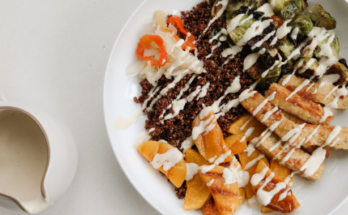
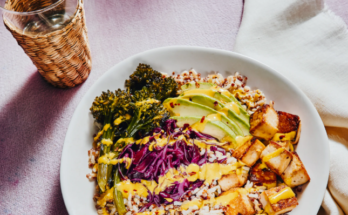
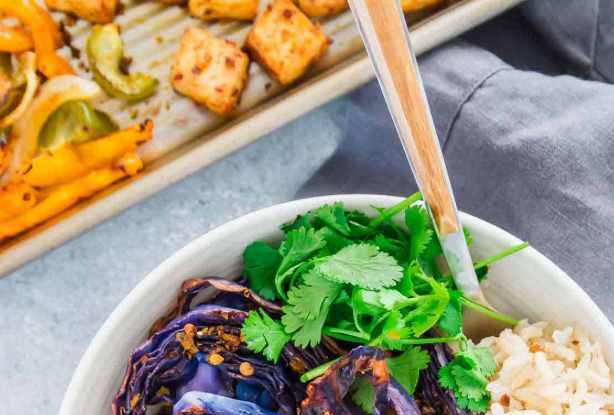
Incorporating more plant-based meals is a natural way to keep cooking light. Vegetables, legumes, and whole grains provide essential nutrients while being lower in saturated fats. Dishes like vegetable stir-fries, lentil soups, or grain bowls offer plenty of flavor and substance. Even if you do not follow a fully plant-based diet, including a few meat-free meals each week can bring variety and balance.
Hydration is another aspect that complements light cooking. Freshly prepared beverages such as infused water, herbal teas, or smoothies can enhance the overall dining experience. Using ingredients like citrus slices, berries, or fresh herbs in water can make hydration more enjoyable. Smoothies made with fruits and vegetables can also serve as quick, nutritious options for busy mornings or light snacks.
Presentation should not be overlooked when preparing fresh and light meals. A colorful plate with a variety of textures can make even the simplest dish feel special. Arranging food thoughtfully and using natural garnishes like herbs or seeds can enhance the visual appeal. Eating is not just about nourishment; it is also about enjoyment, and a well-presented meal can elevate the entire experience.
Planning ahead can make it easier to maintain a light cooking routine. Keeping a selection of fresh ingredients on hand and preparing components in advance can save time during the week. For example, washing and chopping vegetables or cooking grains ahead of time allows for quick assembly of meals. This approach reduces the temptation to rely on less healthy options when time is limited.
It is also important to listen to your body and adjust your meals accordingly. Light cooking does not mean restrictive eating; it is about finding a balance that feels right for you. Some days you may prefer a simple salad, while other days a warm, hearty dish may be more appealing. Paying attention to how different foods make you feel can guide your choices and help you develop a sustainable approach to eating.
Sharing meals with others can further enhance the experience of fresh and light cooking. Preparing food together or enjoying a meal with family and friends creates a sense of connection. Light dishes are often easy to share and can be adapted to suit different preferences. This flexibility makes them ideal for gatherings and encourages a more relaxed and enjoyable atmosphere.
Incorporating fresh and light cooking ideas into your routine does not require drastic changes. Small adjustments, such as choosing fresh ingredients, using simple techniques, and experimenting with flavors, can have a significant impact. Over time, these habits can become second nature, leading to a more balanced and enjoyable way of eating.
Ultimately, fresh and light cooking is about celebrating the natural qualities of food. It encourages creativity, mindfulness, and a deeper appreciation for what we eat. By focusing on simplicity and freshness, you can create meals that are not only delicious but also supportive of a healthy and vibrant lifestyle.