Cooking is more than a daily task; it is an opportunity to shape well-being, build positive habits, and enjoy nourishing meals that support a balanced lifestyle. In today’s fast-paced world, many people rely on convenience foods or repetitive meal choices that may not always provide the best nutritional value. Cooking smarter with health in mind does not mean giving up flavor or spending endless hours in the kitchen. Instead, it involves thoughtful decisions, practical techniques, and a mindful approach to ingredients and preparation.
A smart approach to cooking begins with understanding ingredients. Fresh, whole foods such as vegetables, fruits, grains, legumes, and lean proteins offer a strong foundation for nutritious meals. Choosing seasonal produce can improve both flavor and affordability, while also encouraging variety in your diet. When you build meals around these ingredients, you naturally reduce reliance on highly processed foods that often contain excessive salt, sugar, or additives.
Planning ahead plays a crucial role in healthier cooking. Taking time to think about meals for the week helps reduce last-minute decisions that might lead to less balanced choices. Simple preparation steps, such as washing and cutting vegetables in advance or cooking grains in batches, can make it easier to assemble meals quickly during busy days. This kind of preparation supports consistency, which is one of the most important aspects of maintaining a healthy routine.
Cooking methods also have a significant impact on nutrition. Techniques such as steaming, grilling, baking, and sautéing with minimal oil can preserve nutrients while enhancing natural flavors. On the other hand, deep frying or overcooking can diminish nutritional value and add unnecessary fats. Learning how to use herbs, spices, and natural seasonings allows you to create satisfying dishes without relying heavily on salt or processed sauces.
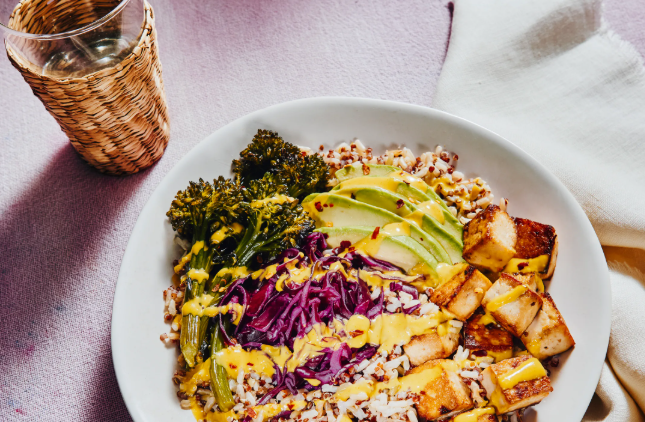
Portion awareness is another important factor. Even healthy foods can contribute to imbalance when consumed in excess. Cooking at home gives you better control over portion sizes compared to dining out or ordering ready-made meals. Using simple visual cues, such as filling half your plate with vegetables, a quarter with protein, and a quarter with whole grains, can help create balanced meals without the need for strict measurement or complicated tracking.
Hydration and ingredient balance go hand in hand. Including ingredients with high water content, such as leafy greens, cucumbers, and fruits, can support hydration while adding freshness to meals. Soups and broths can also be a comforting and nutritious option when prepared with wholesome ingredients and mindful seasoning.
Another aspect of cooking smarter is reducing waste. Being mindful of how ingredients are used not only benefits the environment but also encourages creativity in the kitchen. Leftover vegetables can be turned into soups, stir-fries, or omelets, while cooked grains can be repurposed into salads or side dishes. This approach promotes efficiency and ensures that nutritious ingredients are fully utilized.
Time management is often a challenge, but smart cooking techniques can help. One-pot meals, sheet pan dishes, and slow-cooked recipes allow you to prepare balanced meals with minimal effort and cleanup. These methods are especially helpful for individuals or families with busy schedules, as they provide convenience without compromising on nutrition.
Flavor is essential to sustaining healthy habits. Meals that are enjoyable are more likely to become part of a long-term routine. Experimenting with different cuisines, herbs, and cooking styles can keep meals interesting and satisfying. Small changes, such as adding fresh herbs or a squeeze of citrus, can elevate simple dishes and make them more appealing.
Mindful eating complements smart cooking. Taking time to enjoy meals without distractions helps you become more aware of hunger and fullness cues. This awareness can support better portion control and enhance the overall dining experience. Cooking at home often encourages this mindfulness, as meals are prepared with intention and care.
Affordability is another advantage of cooking smarter. While some people assume that healthy eating is expensive, thoughtful planning and ingredient choices can make it accessible. Buying in bulk, choosing local produce, and preparing meals at home can reduce costs while improving quality. Over time, these habits contribute to both financial savings and improved health outcomes.
Cooking smarter also means being adaptable. Dietary needs and preferences can vary, and it is important to find an approach that works for your lifestyle. Whether you prefer plant-based meals, balanced omnivorous diets, or specific cultural cuisines, the key is to focus on whole, nourishing ingredients and mindful preparation.
Safety and cleanliness are essential components of healthy cooking. Proper food handling, storage, and cooking temperatures help prevent foodborne issues and ensure that meals are safe to consume. Keeping a clean kitchen and practicing good hygiene habits supports overall well-being and confidence in the cooking process.
Technology can also support smarter cooking. There are many tools and resources available, from simple kitchen gadgets to digital recipes and meal planning apps. These tools can save time, provide inspiration, and help you stay organized. However, the most important element remains your own awareness and intention when preparing meals.
Building a routine around cooking does not require perfection. Small, consistent improvements can make a significant difference over time. Starting with simple recipes and gradually expanding your skills can build confidence and enjoyment in the kitchen. Each meal becomes an opportunity to learn and refine your approach.
Cooking smarter with health in mind is ultimately about balance. It is not about strict rules or limitations, but about making thoughtful choices that support well-being while still allowing for enjoyment. By focusing on fresh ingredients, practical techniques, and mindful habits, you can create meals that nourish both body and mind.
Incorporating these ideas into daily life can transform cooking from a routine obligation into a meaningful and rewarding practice. With time and consistency, smarter cooking becomes second nature, helping you maintain a healthy lifestyle while enjoying the process of creating delicious, satisfying meals.