Healthy cooking that saves time is no longer a luxury reserved for professional chefs or people with endless free hours. It has become a practical and achievable lifestyle for anyone who wants to eat well without sacrificing productivity. With a thoughtful approach, simple planning, and a few smart techniques, it is entirely possible to prepare nourishing meals quickly while maintaining both flavor and variety.
One of the most effective ways to save time in the kitchen is to focus on preparation. Spending a short period organizing ingredients before cooking can dramatically reduce stress and confusion later. Washing vegetables, trimming proteins, and measuring out spices ahead of time creates a smoother cooking process. This approach allows you to move through each step efficiently, minimizing the chances of overcooking or forgetting ingredients.
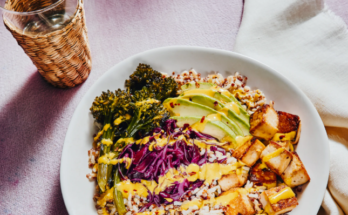
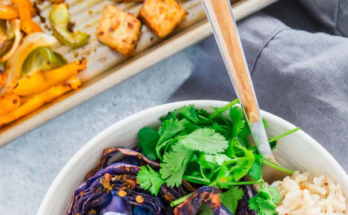
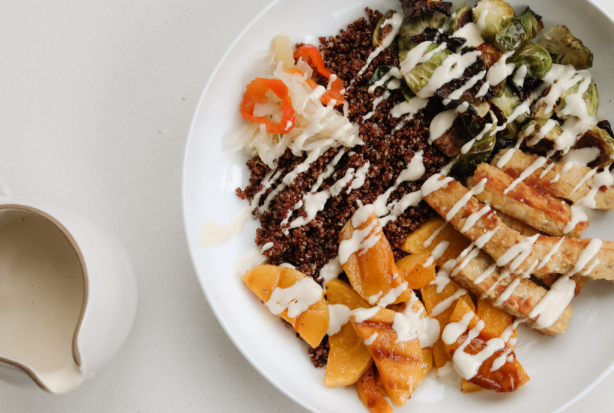
Another key strategy is embracing simple recipes that rely on whole, fresh foods. Meals do not need to be complicated to be healthy. A dish built around lean protein, fresh vegetables, and a wholesome grain can be both nutritious and quick to prepare. Stir-fries, grain bowls, and sheet-pan meals are excellent examples of dishes that require minimal effort while delivering balanced nutrition. These meals often come together in under thirty minutes and can easily be adjusted based on what ingredients are available.
Batch cooking is another powerful method for saving time while maintaining a healthy diet. Preparing larger portions of food and storing them for later use reduces the need to cook from scratch every day. For example, cooking a pot of brown rice or quinoa at the beginning of the week provides a ready-to-use base for multiple meals. Similarly, roasting a tray of vegetables or grilling several portions of chicken can create versatile components that can be combined in different ways throughout the week. This approach not only saves time but also helps reduce food waste.
Efficient use of kitchen tools can also make a significant difference. Appliances such as slow cookers, pressure cookers, and air fryers are designed to streamline the cooking process. A slow cooker allows you to prepare meals in the morning and return to a fully cooked dish at the end of the day. Pressure cookers can reduce cooking times for traditionally slow recipes, such as stews or beans, making them practical for busy schedules. Even simple tools like sharp knives and non-stick pans can speed up preparation and cleanup.
Planning meals in advance is another habit that supports both health and efficiency. Taking time once a week to decide what you will eat helps eliminate last-minute decisions that often lead to less healthy choices. A basic plan does not need to be rigid. Instead, it can serve as a flexible guide that outlines a few key meals and ingredients. This allows you to shop more effectively, avoid unnecessary purchases, and ensure that you always have the essentials on hand.
Keeping a well-stocked pantry is equally important. Having staple ingredients such as canned beans, whole grains, olive oil, herbs, and spices makes it easier to prepare meals quickly without frequent trips to the store. Frozen vegetables and fruits are also valuable options, as they retain their nutritional value and can be used at any time. These ingredients act as reliable building blocks for quick and healthy dishes.
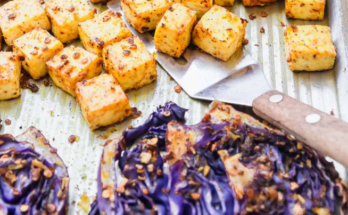
Time-saving cooking also involves simplifying techniques. Instead of preparing multiple dishes separately, consider one-pot or one-pan meals. These methods reduce both cooking time and cleanup, making them ideal for busy days. For instance, combining protein, vegetables, and seasonings on a single baking tray allows everything to cook together, enhancing flavor while saving effort. Similarly, soups and stews can be made in one pot with minimal supervision.
Healthy cooking does not require perfection. It is about making consistent, practical choices that support well-being. Even small changes, such as choosing grilled options over fried foods or incorporating more vegetables into meals, can have a positive impact over time. The goal is to create habits that are sustainable and enjoyable rather than overwhelming.
Incorporating variety is also essential for maintaining interest in healthy meals. Rotating ingredients and trying new flavor combinations can keep cooking exciting without adding complexity. Simple changes, such as using different herbs or sauces, can transform familiar dishes into something new. This approach prevents boredom and encourages long-term commitment to healthy eating.
Another helpful practice is mindful portioning. Preparing the right amount of food reduces waste and saves time in the long run. It also supports balanced eating habits by encouraging awareness of hunger and fullness. Storing leftovers in clearly labeled containers can make future meals even more convenient, turning yesterday’s dinner into today’s lunch.
Clean-as-you-go habits can further improve efficiency in the kitchen. Washing utensils and wiping surfaces during cooking prevents a buildup of mess, making the final cleanup much faster. This small habit contributes to a more organized and enjoyable cooking experience.
Healthy cooking that saves time is ultimately about creating a system that works for your lifestyle. It does not require expensive ingredients or advanced skills. Instead, it relies on preparation, simplicity, and consistency. By focusing on these principles, anyone can develop a routine that supports both health and efficiency.
As daily schedules become increasingly busy, the ability to prepare quick and nutritious meals becomes more valuable. With a thoughtful approach, cooking can shift from being a time-consuming task to a manageable and even rewarding part of the day. Over time, these habits become second nature, making it easier to maintain a balanced diet without added stress.
Choosing to cook in a way that prioritizes both health and time is an investment in long-term well-being. It supports energy levels, improves focus, and contributes to overall quality of life. By making small, practical adjustments and staying consistent, healthy cooking can fit seamlessly into even the busiest routines.