Creating a slimmer, healthier waistline is a goal many people share, and it often comes with questions about what actually works. The good news is that supporting fat loss around your waist does not require extreme measures or unrealistic routines. Instead, it comes down to building sustainable habits that benefit your whole body. With a balanced approach, you can make steady progress while still enjoying your daily life.
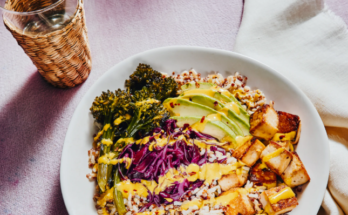
One of the most effective ways to support fat loss around your waist is by paying attention to your overall nutrition. Rather than focusing on restrictive dieting, it helps to think in terms of nourishing your body. Eating a variety of whole foods such as vegetables, fruits, lean proteins, whole grains, and healthy fats provides essential nutrients while helping you feel satisfied. When meals are balanced and filling, it becomes easier to avoid overeating or reaching for highly processed snacks that can slow progress.
Portion awareness also plays an important role. Even healthy foods can contribute to excess calorie intake if portions are consistently too large. Learning to recognize hunger and fullness cues can help you develop a more natural relationship with food. Eating slowly and mindfully gives your body time to signal when it has had enough, which can prevent unnecessary overeating without the need for strict rules.
Another key factor in supporting waist fat loss is regular physical activity. You do not need to spend hours at the gym to see results. Consistency matters more than intensity, especially in the beginning. Activities like walking, cycling, swimming, or dancing can all contribute to burning calories and improving overall fitness. Finding something you genuinely enjoy increases the likelihood that you will stick with it long term.
Strength training is particularly helpful when it comes to reshaping your body. Building muscle can increase your resting metabolism, meaning your body burns more energy even when you are not exercising. This can support gradual fat loss over time. Simple bodyweight exercises such as squats, lunges, and core-focused movements can be done at home and still be very effective. As your strength improves, you can gradually increase the challenge.
While exercise supports fat loss, it is important to understand that you cannot target fat loss in just one area. The body loses fat in a pattern influenced by genetics and other factors. However, reducing overall body fat will eventually lead to a slimmer waistline. Staying patient and focusing on overall health rather than quick fixes is key to long-term success.
Sleep is another often overlooked factor that can influence fat storage around the waist. When you do not get enough rest, your body may produce higher levels of stress hormones, which can affect appetite and fat distribution. Poor sleep can also lead to increased cravings for high-calorie foods and reduced motivation to stay active. Prioritizing a consistent sleep schedule and creating a relaxing bedtime routine can make a noticeable difference.
Managing stress is equally important. Chronic stress can impact your body in ways that make fat loss more challenging. Finding healthy ways to unwind, such as spending time outdoors, practicing deep breathing, or engaging in hobbies you enjoy, can help keep stress levels in check. Even small daily habits that promote relaxation can support your overall well-being and make it easier to stay on track with your goals.
Hydration is another simple but powerful tool. Drinking enough water throughout the day helps support digestion, energy levels, and overall health. Sometimes thirst can be mistaken for hunger, leading to unnecessary snacking. Keeping a water bottle nearby and sipping regularly can help you stay hydrated and more aware of your body’s needs.
It is also helpful to be mindful of sugary beverages and highly processed foods. Drinks with added sugars can contribute a significant number of calories without providing much nutritional value. Replacing these with water, herbal teas, or other low-sugar options can make a meaningful difference over time. Similarly, choosing minimally processed foods more often can help you maintain better control over your calorie intake.
Building consistent routines can make healthy choices feel more automatic. For example, setting regular times for meals, planning ahead for snacks, or scheduling workouts into your week can reduce the need for last-minute decisions. When healthy habits become part of your routine, they require less effort and are easier to maintain.
Tracking progress in a balanced way can also be motivating. While measurements or how your clothes fit can provide useful feedback, it is important not to rely solely on the number on the scale. Changes in body composition, such as increased muscle and reduced fat, may not always be reflected immediately in weight. Paying attention to how you feel, your energy levels, and your overall fitness can give a more complete picture of your progress.
Support from others can make a significant difference as well. Whether it is a friend, family member, or community with similar goals, having encouragement and accountability can help you stay motivated. Sharing your journey with others can make the process feel less overwhelming and more enjoyable.
It is important to approach fat loss with a mindset of self-care rather than punishment. Extreme restrictions or overly intense routines are often difficult to maintain and can lead to frustration. Instead, focusing on gradual improvements and celebrating small victories can help you build confidence and stay committed over time.
Consistency is ultimately the most important factor. Small, sustainable changes practiced regularly will lead to better results than drastic efforts that cannot be maintained. By focusing on balanced nutrition, regular movement, quality sleep, stress management, and hydration, you create an environment where your body can gradually release excess fat, including around your waist.
Every individual’s journey is different, and progress may take time. Being patient with yourself and staying committed to healthy habits will help you move toward your goals in a realistic and sustainable way.