Building a lifestyle that supports fat loss is far more effective than chasing quick fixes or extreme routines. Sustainable change comes from shaping daily habits, environment, and mindset in ways that naturally encourage healthier choices. Instead of focusing on restriction or rigid plans, a supportive lifestyle emphasizes balance, consistency, and gradual improvement.
At the core of fat loss is energy balance, but how you approach it matters. Rather than obsessing over numbers, it helps to structure your day so that nourishing choices become the easiest option. This begins with creating regular eating patterns. When meals are spaced consistently, energy levels remain stable, and it becomes easier to avoid impulsive snacking. Skipping meals or waiting too long to eat often leads to overeating later, which can make progress more difficult.
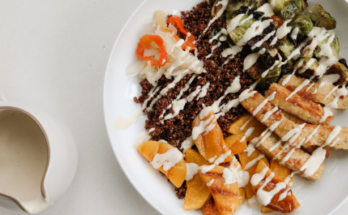
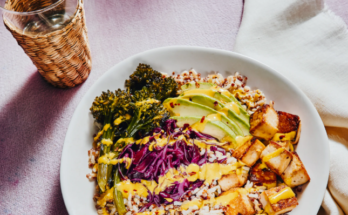
Food quality also plays an important role. Meals that include whole, minimally processed ingredients tend to be more filling and satisfying. Lean proteins, fiber-rich vegetables, whole grains, and healthy fats support fullness and help regulate appetite. This does not mean eliminating all treats or favorite foods. A lifestyle approach allows room for flexibility, making it easier to maintain over time without feeling deprived.
Your environment can either support or challenge your goals. Simple adjustments at home can make a meaningful difference. Keeping nutritious foods visible and accessible encourages better choices, while storing less nutritious options out of immediate reach reduces temptation. Planning meals ahead of time can also remove the stress of last-minute decisions, which often lead to less balanced options.
Physical activity is another key pillar, but it does not have to feel overwhelming. The most effective approach is to find movement you genuinely enjoy. Whether it is walking, dancing, cycling, or strength training, consistency matters more than intensity. Daily movement, even in small amounts, contributes to overall energy expenditure and supports long-term fat loss. Building activity into your routine, such as taking the stairs or going for short walks, can make staying active feel natural rather than forced.
Sleep is often overlooked, yet it has a powerful influence on weight management. When sleep is insufficient, hunger hormones can become imbalanced, leading to increased cravings and reduced satiety. Prioritizing consistent, quality sleep helps regulate appetite and supports better decision-making throughout the day. Creating a calming nighttime routine and limiting screen time before bed are simple ways to improve sleep quality.
Stress management is equally important. High stress levels can lead to emotional eating or reliance on convenient, less nourishing foods. Finding healthy ways to cope with stress, such as mindfulness, journaling, or spending time outdoors, can help maintain balance. When stress is managed effectively, it becomes easier to stay aligned with long-term goals.
Hydration is another supportive habit that is easy to overlook. Drinking enough water throughout the day helps maintain energy levels and can prevent mistaking thirst for hunger. Starting the day with water and keeping a bottle nearby can serve as a gentle reminder to stay hydrated.
Mindset plays a crucial role in building a sustainable lifestyle. Viewing fat loss as a gradual process rather than a race reduces pressure and encourages consistency. Progress may not always be linear, and that is completely normal. Instead of focusing on perfection, it is more helpful to focus on making better choices most of the time. Small improvements, repeated daily, lead to meaningful results over time.
Tracking progress can be useful, but it does not have to be limited to the scale. Noticing improvements in energy, strength, mood, and overall well-being can provide a more complete picture of success. Celebrating these non-scale victories helps reinforce positive habits and keeps motivation strong.
Social support can also make a difference. Surrounding yourself with people who respect and encourage your goals creates a positive environment for change. This might involve sharing your intentions with friends or finding a community that values healthy living. Support does not require pressure or comparison; it simply provides encouragement and accountability.
Another helpful strategy is to build routines that reduce decision fatigue. When certain habits become automatic, they require less effort to maintain. For example, having a go-to breakfast, scheduling workouts at the same time each day, or preparing meals in advance can simplify daily choices. The fewer decisions you have to make, the easier it becomes to stay consistent.
It is also important to recognize that occasional setbacks are part of the journey. A single day or meal does not define your progress. Instead of viewing setbacks as failures, they can be seen as opportunities to learn and adjust. Returning to your routine without guilt helps maintain momentum and prevents small deviations from becoming long-term disruptions.
Flexibility is what makes a lifestyle sustainable. Life includes celebrations, travel, and unexpected changes, and a supportive approach allows for these moments without losing direction. By focusing on overall patterns rather than isolated events, it becomes easier to maintain balance and continue progressing.
Ultimately, building a lifestyle that supports fat loss is about creating a way of living that feels realistic and enjoyable. When habits align with your preferences and daily routine, they become easier to maintain. Over time, these habits form a foundation that supports not only fat loss but also overall health and well-being.
The goal is not to follow a perfect plan but to develop a consistent approach that works for you. By focusing on nourishing foods, enjoyable movement, quality sleep, stress management, and a positive mindset, you create an environment where fat loss can occur naturally. This approach reduces the need for extreme measures and supports lasting results.
Sustainable fat loss is not achieved through short-term effort but through long-term consistency. When your lifestyle supports your goals, progress becomes a natural outcome of your daily choices.