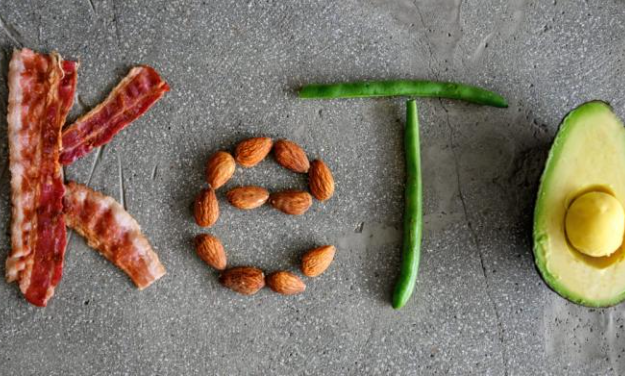
Reducing belly fat is a goal many people share, not just for appearance but also for overall health. Excess fat around the abdomen is linked to a higher risk of conditions such as heart disease and type 2 diabetes. The good news is that sustainable, healthy choices can make a meaningful difference over time. Instead of focusing on extreme diets or quick fixes, building simple daily habits can help support a healthier body and a trimmer waistline.
One of the most effective ways to reduce belly fat is by paying attention to nutrition. Choosing whole, minimally processed foods helps the body function more efficiently and reduces unnecessary calorie intake. Fresh vegetables, fruits, whole grains, lean proteins, and healthy fats provide essential nutrients while keeping you satisfied longer. Foods rich in fiber, such as oats, beans, and leafy greens, are particularly helpful because they support digestion and can reduce overeating by promoting a feeling of fullness.
Another helpful approach is to be mindful of added sugars and refined carbohydrates. Sugary drinks, desserts, and heavily processed snacks can contribute to weight gain, especially around the midsection. Replacing these with healthier options like water, herbal teas, or naturally sweet fruits can lower calorie intake without making you feel deprived. Gradual changes tend to be more sustainable than strict restrictions, so it is often better to adjust habits step by step.
Regular physical activity is equally important when it comes to reducing belly fat. A combination of aerobic exercise and strength training works best. Activities such as brisk walking, cycling, or swimming help burn calories and improve cardiovascular health. Strength training exercises, like bodyweight movements or resistance training, build muscle mass, which can increase metabolism over time. This means your body becomes more efficient at burning calories, even when you are at rest.
Consistency matters more than intensity. Short, regular workouts can be more effective than occasional intense sessions that are difficult to maintain. Finding activities you enjoy makes it easier to stay active in the long term. Whether it is dancing, hiking, or practicing yoga, enjoyable movement helps create a routine that feels less like a chore and more like a natural part of your day.
Sleep is another often overlooked factor in managing belly fat. Poor sleep can disrupt hormones that regulate hunger and appetite, leading to increased cravings and overeating. Getting enough quality sleep each night helps the body recover and maintain balance. Creating a calming bedtime routine, limiting screen time before sleep, and maintaining a consistent sleep schedule can improve sleep quality and support overall health.
Stress management also plays a key role. When the body is under constant stress, it produces higher levels of cortisol, a hormone associated with increased fat storage, particularly around the abdomen. Finding ways to manage stress can have a positive impact on both mental well-being and physical health. Simple practices such as deep breathing, meditation, or spending time in nature can help reduce stress levels and promote relaxation.
Hydration is another simple but powerful habit. Drinking enough water supports digestion, helps regulate appetite, and can prevent overeating. Sometimes thirst is mistaken for hunger, leading to unnecessary snacking. Keeping a water bottle nearby and sipping throughout the day can help maintain proper hydration and support your overall wellness goals.
Portion awareness is also helpful in managing calorie intake without the need for strict dieting. Paying attention to hunger and fullness cues can guide better eating habits. Eating slowly and without distractions allows your body to recognize when it is satisfied, reducing the likelihood of overeating. This mindful approach encourages a healthier relationship with food and supports long-term success.
It is important to remember that spot reduction, or losing fat from a specific area of the body through targeted exercises alone, is not generally effective. While abdominal exercises can strengthen and tone muscles, overall fat loss comes from a combination of healthy eating, regular physical activity, and consistent lifestyle habits. Over time, as the body loses fat, the abdominal area will also become leaner.
Building healthy habits takes time, and progress may be gradual. Setting realistic goals and celebrating small achievements can help maintain motivation. Instead of focusing solely on appearance, it can be helpful to notice other positive changes, such as increased energy levels, improved mood, and better overall fitness. These benefits often come before visible changes and can encourage continued effort.
Social support can also make a difference. Sharing your goals with friends or family members can provide encouragement and accountability. Engaging in activities together, such as cooking healthy meals or exercising, can make the journey more enjoyable and sustainable. A supportive environment helps reinforce positive habits and reduces the likelihood of giving up.
It is also worth noting that every individual is different. Factors such as age, genetics, and lifestyle can influence how the body stores and loses fat. Comparing progress to others may lead to frustration, so it is more helpful to focus on personal improvements and consistency. Listening to your body and making adjustments based on what works best for you can lead to better long-term results.
In some cases, professional guidance can be beneficial. Consulting with a qualified healthcare provider or nutrition professional can help create a personalized plan that aligns with your needs and goals. This is especially important if you have underlying health conditions or specific dietary requirements.
Ultimately, reducing belly fat is not about perfection but about making balanced, sustainable choices. Small daily actions, when practiced consistently, can lead to meaningful changes over time. By focusing on nourishing your body, staying active, managing stress, and getting enough rest, you can support a healthier lifestyle that naturally helps reduce excess abdominal fat.
A long-term approach rooted in healthy habits not only improves physical appearance but also enhances overall well-being. With patience and consistency, these choices can become a natural part of your routine, leading to lasting results that go beyond just the number on the scale.