Building better habits for fat loss is less about chasing quick results and more about creating a lifestyle that naturally supports a healthier body over time. Many people begin their journey with intense motivation, only to find themselves struggling a few weeks later. The difference between short-term success and lasting change often comes down to habits. When daily actions become automatic, progress feels easier and more sustainable.
A helpful starting point is shifting your mindset away from restriction and toward consistency. Fat loss does not require extreme dieting or punishing workout routines. Instead, it benefits from small, repeatable actions that fit into your everyday life. When habits feel manageable, you are far more likely to stick with them. This means choosing realistic goals rather than overwhelming yourself with drastic changes.
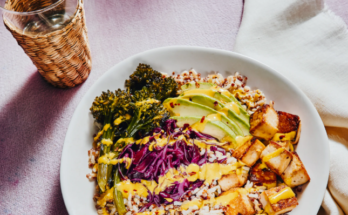
Nutrition plays a central role, but it does not need to be complicated. Building the habit of balanced eating can make a meaningful difference. Focus on including whole foods such as vegetables, fruits, lean proteins, and healthy fats in your meals. These foods tend to be more satisfying and help support steady energy levels throughout the day. Rather than eliminating entire food groups, aim to create balance. Allowing flexibility can prevent feelings of deprivation, which often lead to setbacks.
Another powerful habit is paying attention to portion awareness. This does not mean obsessively counting every calorie but becoming more mindful of how much you are eating. Slowing down during meals and listening to your body’s hunger and fullness signals can help you avoid overeating. Over time, this awareness becomes second nature and supports gradual fat loss without added stress.
Physical activity is equally important, but it should feel enjoyable rather than forced. The best exercise is the one you can maintain consistently. Whether it is walking, strength training, cycling, or dancing, regular movement supports both physical and mental well-being. Building the habit of moving your body most days of the week can improve energy, mood, and overall health. Even short sessions add up, so it is better to start small and build gradually.
Sleep is often overlooked, yet it has a strong influence on fat loss. Poor sleep can disrupt hunger hormones, increase cravings, and reduce motivation for healthy behaviors. Creating a consistent sleep routine can support your efforts in a subtle but powerful way. Going to bed and waking up at similar times each day helps regulate your body’s internal clock and improves sleep quality.
Stress management is another key factor. High stress levels can lead to emotional eating and make it harder to maintain healthy habits. Finding simple ways to unwind, such as deep breathing, spending time outdoors, or engaging in hobbies, can help you stay balanced. When stress is managed effectively, it becomes easier to make choices that align with your goals.
Hydration also deserves attention. Drinking enough water throughout the day supports many bodily functions and can help regulate appetite. Sometimes, feelings of hunger are actually signs of thirst. Making water your primary beverage and keeping it easily accessible can turn hydration into a natural habit.
Tracking progress in a healthy way can reinforce your efforts. Instead of focusing only on the number on the scale, consider other indicators such as how your clothes fit, your energy levels, or your strength improvements. These non-scale victories often provide a more accurate picture of progress and can keep you motivated when changes feel slow.
Consistency remains the foundation of all these habits. It is important to accept that perfection is not required. Occasional setbacks are a normal part of the process. What matters most is returning to your habits without guilt or frustration. Each day is an opportunity to continue building the routine that supports your goals.
Environment can also influence your success. Keeping healthy foods visible and accessible while limiting easy access to less nutritious options can make better choices feel effortless. Similarly, setting up a space for physical activity or planning your meals ahead of time can reduce decision fatigue and help you stay on track.
Social support can make a meaningful difference as well. Sharing your goals with friends or family, or simply surrounding yourself with people who encourage healthy habits, can provide motivation and accountability. Positive reinforcement from others often strengthens your commitment and helps you stay focused.
It is also helpful to recognize that fat loss is not a linear journey. Progress may vary from week to week, and that is completely normal. Patience is essential. Building habits takes time, and the results follow as a natural outcome of consistent effort. Focusing on the process rather than immediate results can make the journey more enjoyable and less stressful.
Another effective strategy is habit stacking, which involves pairing a new habit with an existing one. For example, you might choose to drink a glass of water after brushing your teeth or take a short walk after dinner. This approach makes it easier to integrate new behaviors into your routine because they become linked to actions you already perform.
Self-awareness plays a valuable role in habit building. Paying attention to your triggers, routines, and responses can help you understand what supports or hinders your progress. This awareness allows you to make adjustments that better align with your lifestyle. Over time, you can refine your habits to suit your preferences and needs.
Celebrating small wins can also reinforce positive behavior. Recognizing your efforts, no matter how minor they may seem, helps build confidence and momentum. Progress is often the result of many small steps rather than one major change. By acknowledging these steps, you create a positive feedback loop that encourages continued growth.
Ultimately, building better habits for fat loss is about creating a sustainable lifestyle that supports your well-being. It is not about temporary fixes or rigid rules but about developing patterns that feel natural and achievable. When your daily actions align with your goals, fat loss becomes a byproduct of a healthier way of living.
By focusing on consistency, balance, and self-compassion, you can create habits that last. These habits not only support fat loss but also contribute to overall health and quality of life. Over time, what once required effort becomes routine, and the journey transforms into something that feels both manageable and rewarding.