Fat loss is often surrounded by confusion, unrealistic expectations, and extreme advice that promises quick results but rarely delivers lasting change. A balanced approach, on the other hand, focuses on sustainability, health, and realistic progress. Rather than chasing shortcuts, building consistent habits creates a foundation for long-term success that supports both physical and mental well-being.
At its core, fat loss comes down to energy balance. When the body uses more energy than it consumes, it begins to tap into stored fat for fuel. While this concept is simple, applying it in real life requires thoughtful adjustments that fit individual lifestyles. Drastic calorie restriction may lead to short-term results, but it often increases fatigue, cravings, and the likelihood of regaining weight. A moderate calorie deficit, paired with nourishing foods, is more effective and easier to maintain over time.
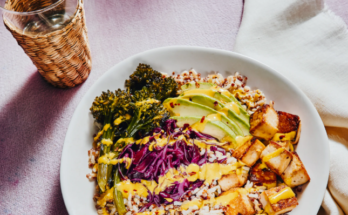
Food quality plays a major role in how the body responds during a fat loss phase. Meals that include lean proteins, whole grains, fruits, vegetables, and healthy fats provide essential nutrients while helping control hunger. Protein is especially important because it supports muscle maintenance and promotes a feeling of fullness. Fiber-rich foods, such as vegetables and whole grains, slow digestion and help stabilize energy levels. Rather than labeling foods as strictly “good” or “bad,” it is more helpful to focus on balance and portion awareness. Enjoying occasional treats in moderation can prevent feelings of restriction and make healthy eating more sustainable.
Physical activity is another key component of a balanced fat loss strategy. Exercise supports calorie expenditure, improves mood, and helps maintain muscle mass. A combination of resistance training and cardiovascular activity tends to deliver the best results. Strength training preserves lean muscle, which is important because muscle tissue plays a role in overall metabolism. Cardio, whether it is walking, cycling, or swimming, contributes to energy expenditure and cardiovascular health. The most effective exercise plan is one that feels enjoyable and fits consistently into daily life.
Consistency often matters more than intensity. Many people start with highly demanding routines that are difficult to maintain, leading to burnout or injury. A more balanced approach begins with manageable changes, such as adding a few workouts per week or increasing daily movement through walking. Over time, these habits can be built upon, creating a routine that feels natural rather than forced. Small, steady improvements tend to produce better long-term outcomes than short bursts of extreme effort.
Sleep and stress management are frequently overlooked, yet they play a significant role in fat loss. Poor sleep can disrupt hormones that regulate hunger and appetite, leading to increased cravings and reduced energy. Chronic stress may also affect eating patterns and overall health. Prioritizing rest, practicing relaxation techniques, and maintaining a consistent sleep schedule can support both physical progress and emotional balance.
Hydration is another simple but important factor. Drinking enough water supports digestion, helps regulate appetite, and contributes to overall well-being. Sometimes thirst can be mistaken for hunger, leading to unnecessary snacking. Keeping a water bottle nearby and drinking regularly throughout the day can make a noticeable difference.
It is also important to set realistic expectations. Fat loss is not always linear, and progress may vary from week to week. Plateaus are a normal part of the process and do not necessarily indicate failure. Instead of focusing solely on the scale, it can be helpful to track other signs of progress, such as increased strength, improved energy levels, or changes in how clothes fit. These indicators often reflect meaningful improvements that go beyond numbers.
Mindset plays a powerful role in achieving and maintaining fat loss. Approaching the process with patience and self-compassion can make it more sustainable. Negative self-talk or overly strict rules can create unnecessary pressure, while a more flexible mindset allows for adjustments and learning along the way. Viewing fat loss as a gradual lifestyle change rather than a temporary effort helps reinforce habits that last.
Social and environmental factors can also influence success. Surrounding oneself with supportive people, planning meals ahead of time, and keeping nutritious foods readily available can make healthy choices easier. At the same time, allowing space for social events and special occasions ensures that the process remains enjoyable and realistic. Balance does not mean perfection; it means finding a rhythm that works within real-life circumstances.
Another important aspect is personalization. What works for one person may not work for another. Factors such as age, activity level, preferences, and daily schedule all influence how a plan should be structured. Experimenting with different approaches and paying attention to how the body responds can help identify what feels most effective and sustainable.
Tracking progress can be helpful when done thoughtfully. Keeping a record of food intake, exercise, or habits can provide insight into patterns and areas for improvement. However, it is important to avoid becoming overly rigid or obsessive. The goal is to use tracking as a tool for awareness, not as a source of stress.
Long-term success in fat loss is closely tied to maintenance. Once a goal is reached, gradually increasing calorie intake while maintaining healthy habits can help stabilize results. Continuing to prioritize balanced nutrition, regular movement, and self-care ensures that progress is preserved. Maintenance is not a separate phase but a continuation of the habits developed לאורך the journey.
In the end, a balanced guide to fat loss emphasizes sustainability, health, and consistency. By focusing on realistic changes, nourishing the body, staying active, and maintaining a positive mindset, it is possible to achieve meaningful progress without relying on extreme methods. Fat loss is not just about reaching a specific number; it is about building a lifestyle that supports long-term well-being and confidence.