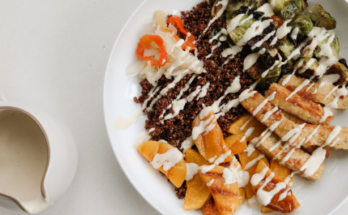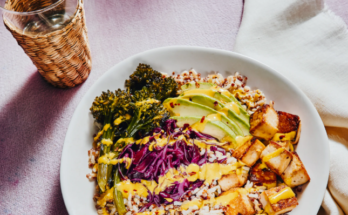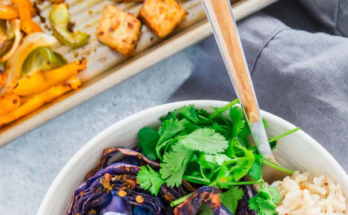
Health-conscious cooking has evolved from a niche interest into a central part of modern living, reflecting a broader awareness of how daily food choices influence long-term well-being. In today’s kitchens, people are no longer cooking simply to satisfy hunger; they are preparing meals with intention, balancing nutrition, flavor, and sustainability. This shift is not about rigid dieting or restrictive habits, but about building a positive, flexible approach to food that supports both body and mind.
A modern kitchen designed for health-conscious cooking often begins with thoughtful planning. Organization plays a key role in shaping habits. When wholesome ingredients are visible and accessible, it becomes easier to make better choices without feeling forced. Fresh vegetables, whole grains, lean proteins, and natural seasonings form the foundation of meals that are both nourishing and satisfying. At the same time, reducing reliance on heavily processed foods can help maintain a more balanced diet without eliminating enjoyment.
Cooking methods have also adapted to align with healthier lifestyles. Techniques such as steaming, baking, grilling, and sautéing with minimal oil allow ingredients to retain their natural nutrients and flavors. These approaches not only preserve the integrity of the food but also reduce the need for excessive fats or additives. The goal is not to remove richness from meals, but to create depth of flavor through herbs, spices, and careful preparation rather than relying solely on salt or sugar.
Technology has become an important ally in modern kitchens. From smart appliances to efficient cookware, tools now support healthier cooking with greater convenience. Air fryers, for example, offer a way to achieve crisp textures with less oil, while high-speed blenders make it easier to incorporate fruits and vegetables into daily meals. Even simple tools like sharp knives and quality cutting boards can make meal preparation more enjoyable, encouraging people to cook more often at home rather than relying on takeout.
Another important aspect of health-conscious cooking is portion awareness. Rather than focusing on strict limitations, modern approaches emphasize balance and moderation. Understanding portion sizes helps prevent overeating while still allowing room for indulgence. Meals that include a variety of food groups tend to be more satisfying, reducing the urge to snack excessively later. This balanced approach fosters a healthier relationship with food, where enjoyment and nourishment coexist.
Ingredient selection has also become more intentional. Many people are paying closer attention to where their food comes from and how it is produced. Seasonal and locally sourced ingredients often provide better flavor and freshness, while also supporting more sustainable practices. Reading labels and understanding ingredient lists can help individuals make informed decisions, avoiding unnecessary additives or excessive amounts of sugar and sodium. However, the goal is not perfection, but awareness and gradual improvement.
Time management is another factor that influences healthy cooking habits. Busy schedules can make it tempting to choose convenience over nutrition, but simple strategies can bridge this gap. Preparing meals in advance, batch cooking, or keeping a few versatile ingredients on hand can make healthy eating more accessible even on hectic days. A well-stocked pantry with staples like whole grains, legumes, and canned vegetables allows for quick, nutritious meals without extensive preparation.
Flavor remains a central element of successful health-conscious cooking. There is a common misconception that healthy food lacks taste, but modern approaches challenge this idea. By experimenting with different cuisines, spices, and cooking techniques, it is possible to create meals that are both nutritious and deeply satisfying. Citrus, herbs, garlic, and spices can transform simple ingredients into vibrant dishes, making healthy eating something to look forward to rather than a chore.
Cultural influences also play a role in shaping modern kitchens. Traditional recipes from around the world often incorporate balanced combinations of grains, vegetables, and proteins. Adapting these recipes with contemporary techniques or lighter ingredients allows people to honor culinary heritage while aligning with current health goals. This blend of tradition and innovation adds diversity to meals and keeps cooking engaging.
Mindful eating is closely connected to health-conscious cooking. Taking the time to prepare food encourages a greater appreciation for each ingredient and the effort involved. Eating without distractions, savoring flavors, and recognizing hunger and fullness cues can enhance the overall dining experience. This mindful approach helps individuals develop a more intuitive relationship with food, reducing the likelihood of overeating or emotional eating.
Hydration and beverage choices are another part of the modern kitchen landscape. While food often takes center stage, drinks can significantly impact overall health. Choosing water, herbal teas, or natural beverages over sugary drinks supports better hydration without unnecessary calories. Incorporating fresh fruits or herbs into water can add subtle flavor, making it more enjoyable to stay hydrated throughout the day.
Sustainability has become an integral part of health-conscious cooking as well. Reducing food waste, using reusable storage, and choosing environmentally friendly products contribute to a more responsible kitchen environment. Simple habits such as planning meals, storing leftovers properly, and repurposing ingredients can make a meaningful difference. This approach aligns personal health with broader environmental awareness, creating a more holistic perspective on cooking.
Importantly, health-conscious cooking is not about strict rules or perfection. Flexibility allows individuals to adapt their habits to their own preferences, cultural backgrounds, and lifestyles. Occasional indulgences are part of a balanced approach, and enjoying favorite foods in moderation can prevent feelings of restriction. The focus remains on consistency over time rather than short-term changes.
Education continues to play a vital role in shaping modern cooking practices. Access to reliable information about nutrition and cooking techniques empowers individuals to make informed decisions. Learning basic cooking skills, understanding ingredient functions, and experimenting with new recipes can build confidence in the kitchen. As knowledge grows, so does the ability to create meals that align with personal health goals.
In the end, health-conscious cooking for modern kitchens is about creating a supportive environment where good choices feel natural and enjoyable. It combines practical strategies with creativity, allowing people to explore new flavors while maintaining balance. By focusing on fresh ingredients, thoughtful preparation, and mindful habits, individuals can transform everyday cooking into a meaningful part of a healthy lifestyle.