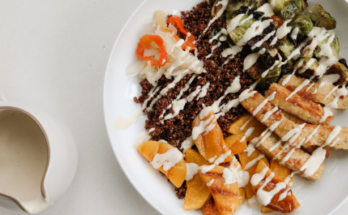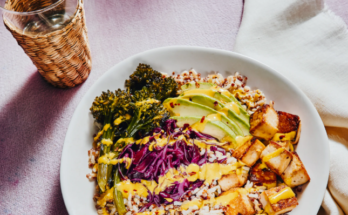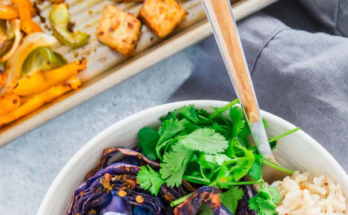
Cooking for wellness does not need to feel complicated, expensive, or time-consuming. In fact, the most sustainable approach to healthy eating is often the simplest one. By focusing on fresh ingredients, balanced meals, and mindful preparation, anyone can turn everyday cooking into a powerful tool for improving overall well-being. The idea is not to chase perfection, but to build habits that support both physical health and mental comfort.
At its core, cooking for wellness starts with understanding what your body needs. A balanced meal typically includes a mix of vegetables, whole grains, protein, and healthy fats. These components work together to provide energy, support digestion, and maintain stable blood sugar levels. Instead of following rigid rules, it helps to think in terms of variety and color. A plate filled with different natural colors often signals a range of nutrients, from vitamins and minerals to antioxidants.
One of the easiest ways to make wellness-focused cooking approachable is to keep ingredients simple and accessible. Fresh vegetables like spinach, carrots, tomatoes, and cucumbers can be combined in countless ways. Whole grains such as brown rice, oats, or quinoa are easy to prepare and provide long-lasting energy. Protein sources can include beans, eggs, fish, or lean meats, depending on personal preference. Healthy fats, found in foods like nuts, seeds, and olive oil, add both flavor and nutritional value.
Preparation methods also play an important role. Cooking techniques like steaming, baking, grilling, or sautéing with minimal oil help preserve nutrients while enhancing taste. There is no need for complicated recipes or specialized tools. A few basic kitchen skills, such as chopping vegetables evenly or seasoning food thoughtfully, can make a significant difference in both texture and flavor.
Another key aspect of cooking for wellness is planning ahead. When meals are prepared in advance, it becomes easier to make nourishing choices even on busy days. Simple practices like washing and cutting vegetables in advance or cooking a larger portion of grains for the week can save time and reduce stress. This approach also helps minimize reliance on highly processed foods, which often contain added sugars, excessive salt, and unhealthy fats.
Mindful cooking goes beyond ingredients and techniques. It also involves paying attention to how food is prepared and consumed. Taking time to cook without rushing, tasting as you go, and adjusting flavors gradually can turn cooking into a calming and rewarding activity. Eating slowly and appreciating the textures and flavors of a meal can improve digestion and help you recognize when you are satisfied.
Hydration is another important part of wellness that often gets overlooked in the kitchen. Including water-rich foods like fruits and vegetables in meals can support hydration, while drinking enough water throughout the day helps maintain energy levels and concentration. Simple additions like a slice of lemon or fresh herbs in water can make it more enjoyable.
Cooking for wellness also allows room for personal preferences and cultural traditions. Food is not only about nutrition but also about comfort, memory, and enjoyment. Adapting traditional recipes to include more vegetables or lighter cooking methods can maintain familiar flavors while supporting health goals. There is no need to eliminate favorite dishes entirely; instead, small adjustments can make them more balanced.
Affordability is another factor that makes wellness cooking accessible. Healthy eating does not require expensive or hard-to-find ingredients. Seasonal produce is often more affordable and fresher, while staples like beans, lentils, and grains provide excellent nutrition at a low cost. Planning meals around what is available locally can help reduce expenses and support sustainable choices.
Consistency matters more than perfection. It is normal to have days when cooking feels like a challenge or when convenience takes priority. What matters is returning to simple, nourishing habits over time. Even small changes, such as adding an extra serving of vegetables or choosing whole foods more often, can have a meaningful impact on long-term health.
For those who are just starting, it can be helpful to build a small collection of go-to meals. These could include a vegetable stir-fry with rice, a hearty soup with beans and greens, or a simple omelet with fresh herbs. Having a few reliable recipes reduces decision fatigue and builds confidence in the kitchen. Over time, experimenting with new ingredients and flavors becomes more enjoyable.
Food safety and cleanliness are also essential parts of cooking for wellness. Washing hands, cleaning surfaces, and storing food properly help prevent contamination and maintain the quality of ingredients. Paying attention to expiration dates and proper cooking temperatures ensures that meals are not only nutritious but also safe to eat.
Another helpful approach is to listen to your body’s signals. Hunger and fullness cues can guide portion sizes and meal timing. Instead of following strict schedules, tuning into how you feel can create a more natural and flexible relationship with food. This awareness supports both physical health and emotional well-being.
Cooking can also be a shared experience. Preparing meals with family or friends encourages connection and makes the process more enjoyable. Sharing responsibilities in the kitchen can reduce workload and introduce new ideas and techniques. Meals prepared together often feel more satisfying and meaningful.
Incorporating herbs and spices is an easy way to enhance both flavor and nutritional value. Ingredients like garlic, ginger, turmeric, and basil not only add depth to dishes but may also offer health benefits. Using these natural flavorings can reduce the need for excessive salt or artificial additives.
Over time, cooking for wellness becomes less about following specific guidelines and more about creating a lifestyle that feels balanced and sustainable. It is about choosing ingredients that nourish the body, preparing meals with care, and enjoying the process without pressure. The kitchen can become a place of creativity, comfort, and positive change.
By keeping things simple, staying consistent, and focusing on what feels good both physically and mentally, anyone can make cooking for wellness a natural part of daily life. The goal is not to achieve a perfect diet, but to build habits that support long-term health and enjoyment.