Starting a journey into healthy cooking can feel overwhelming at first, but it does not have to be complicated or restrictive. With the right mindset and a few practical habits, anyone can begin preparing meals that are both nourishing and enjoyable. Healthy cooking is less about perfection and more about making consistent, balanced choices that support your well-being over time.
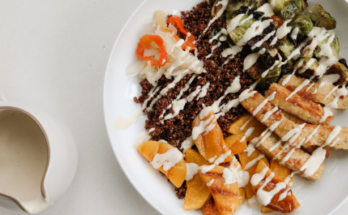
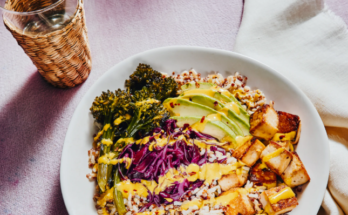
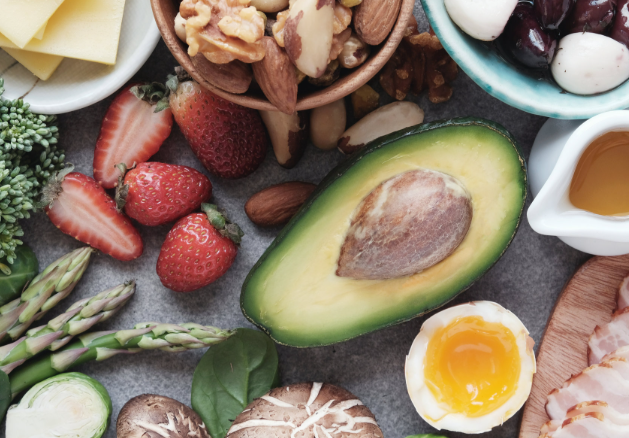
One of the most helpful ways to begin is by focusing on whole ingredients. Foods that are close to their natural state, such as fresh vegetables, fruits, grains, legumes, and lean proteins, tend to provide more nutrients and fewer additives than highly processed options. When you build your meals around these ingredients, you naturally create dishes that are more balanced. For example, a simple plate with grilled chicken, steamed vegetables, and brown rice offers a variety of nutrients without requiring complicated techniques.
Understanding basic cooking methods can make a big difference. Techniques like steaming, baking, grilling, and sautéing use less oil while preserving the natural flavors of food. Frying, on the other hand, often adds extra fats that are not necessary for taste or nutrition. Learning how to cook with minimal oil, or choosing healthier oils such as olive oil in moderate amounts, helps keep meals lighter while still satisfying.
Portion awareness is another important aspect of healthy cooking. Even nutritious foods can become less beneficial when eaten in excessive amounts. Beginners can benefit from using simple visual cues, such as filling half the plate with vegetables, a quarter with protein, and a quarter with whole grains. This approach keeps meals balanced without requiring detailed calculations or strict rules.
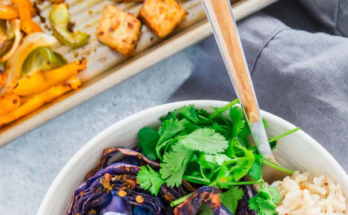
Seasoning plays a key role in making healthy meals enjoyable. Many people assume that healthy food lacks flavor, but that is often due to under-seasoning. Herbs, spices, garlic, ginger, and citrus can enhance taste without adding extra salt or sugar. Experimenting with different combinations allows you to discover flavors you enjoy while keeping meals wholesome. For instance, adding fresh herbs to a vegetable dish can transform it from plain to vibrant.
Planning ahead can reduce stress and make it easier to stick to healthier choices. Setting aside time to think about meals for the week helps avoid last-minute decisions that often lead to less balanced options. Preparing ingredients in advance, such as washing vegetables or cooking grains, can save time on busy days. This simple habit makes home cooking more convenient and less overwhelming.
It is also helpful to pay attention to cooking environment and mindset. Cooking should feel like a positive and creative activity rather than a chore. Playing music, keeping your kitchen organized, and giving yourself enough time can make the process more enjoyable. When you approach cooking with curiosity instead of pressure, you are more likely to stick with it and improve over time.
Hydration is often overlooked when discussing healthy cooking, but it complements a balanced diet. Drinking enough water throughout the day supports digestion and overall health. When preparing meals, you can also incorporate water-rich foods such as soups, fruits, and vegetables to help maintain hydration naturally.
Reading ingredient labels is another useful habit, especially for beginners. While not all packaged foods need to be avoided, understanding what goes into them allows you to make informed choices. Look for products with shorter ingredient lists and recognizable components. This does not mean you must eliminate convenience foods entirely, but being mindful of them helps maintain balance.
Another practical tip is to avoid trying to change everything at once. Gradual adjustments are more sustainable than drastic changes. You might start by cooking at home a few times per week or by adding more vegetables to your meals. Over time, these small steps build confidence and create lasting habits. Healthy cooking is a long-term journey, not a short-term challenge.
Listening to your body is equally important. Everyone’s needs and preferences are different, and there is no single perfect way to eat. Pay attention to how certain foods make you feel and adjust accordingly. This personalized approach helps you develop a way of eating that supports both your physical health and your enjoyment of food.
Budget considerations can also be part of healthy cooking. Eating well does not have to be expensive. Seasonal produce, local markets, and staple ingredients like beans, rice, and lentils are often affordable and nutritious. Cooking at home can actually save money compared to frequent dining out, while giving you more control over ingredients and portions.
Learning from simple recipes is a great way to build confidence. Start with dishes that require only a few ingredients and steps. As you become more comfortable, you can gradually try new recipes and techniques. Mistakes are part of the process, and each attempt helps you improve your skills.
Maintaining food safety is another essential aspect. Proper storage, cooking temperatures, and cleanliness help prevent foodborne issues. Washing hands, keeping surfaces clean, and ensuring foods are cooked thoroughly are basic but important practices that every beginner should follow.
It is also helpful to create a balanced relationship with food. Healthy cooking does not mean eliminating all treats or favorite dishes. Instead, it involves finding a balance where nourishing meals are the foundation, and occasional indulgences are enjoyed in moderation. This approach makes healthy eating more realistic and sustainable.
Over time, healthy cooking becomes less about following rules and more about developing intuition. You begin to understand flavors, portions, and ingredients naturally. This confidence allows you to create meals without relying heavily on recipes, making the process more flexible and enjoyable.
In the end, healthy cooking for beginners is about building simple, consistent habits that support your well-being. By focusing on whole ingredients, learning basic techniques, planning ahead, and enjoying the process, you can create meals that are both nutritious and satisfying. With patience and practice, cooking becomes not just a daily task, but a rewarding part of a healthy lifestyle.