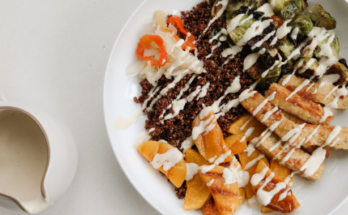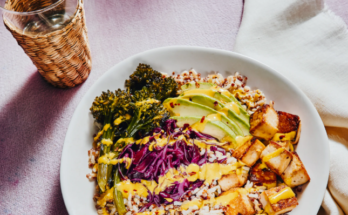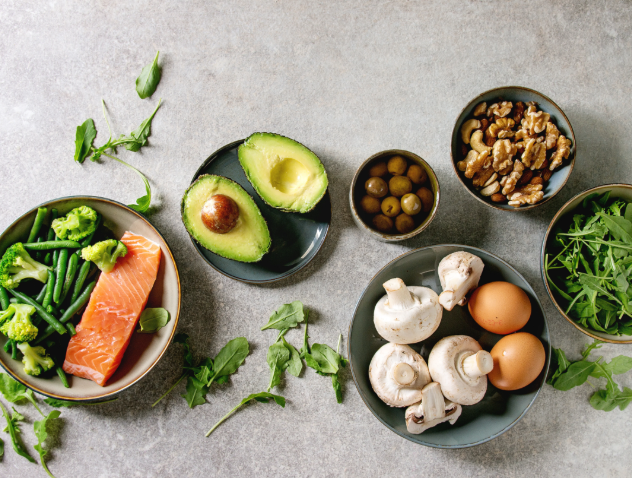
Cooking in a healthier way does not require complicated techniques, expensive ingredients, or a complete overhaul of your daily routine. In fact, small and practical changes in how you prepare food can make a meaningful difference to your overall well-being. By focusing on balance, freshness, and mindful preparation, you can create meals that are both satisfying and nourishing while staying within safe and ad-friendly content guidelines.
One of the simplest ways to improve the nutritional value of your meals is by choosing whole ingredients whenever possible. Fresh vegetables, fruits, whole grains, legumes, and lean proteins naturally contain more vitamins, minerals, and fiber compared to heavily processed alternatives. For example, swapping white rice for brown rice or refined flour for whole grain options can add more nutrients without changing the essence of your dish. These small substitutions are easy to maintain over time and support long-term healthy habits.
Another helpful method is to pay attention to cooking techniques. The way food is prepared can significantly affect its nutritional content. Steaming, baking, grilling, and stir-frying with minimal oil tend to preserve more nutrients than deep frying or overcooking. Steaming vegetables, for instance, helps retain water-soluble vitamins that might otherwise be lost. Similarly, lightly sautéing ingredients instead of frying them in large amounts of oil can reduce unnecessary fat while still enhancing flavor.
Portion awareness also plays a key role in nutritious cooking. Even healthy foods can become less beneficial when consumed in excessive amounts. Preparing meals with balanced portions of protein, carbohydrates, and vegetables helps create a more complete and satisfying plate. A practical approach is to visually divide your plate so that vegetables take up a large portion, with moderate servings of protein and grains. This encourages variety and supports a more balanced intake of nutrients.
Flavor is another important factor that often determines whether healthy meals are enjoyable. Fortunately, there are many ways to enhance taste without relying on excessive salt, sugar, or saturated fats. Herbs, spices, citrus juices, garlic, and natural seasonings can add depth and richness to dishes. For example, adding fresh herbs like basil or cilantro can brighten a meal, while spices such as turmeric or paprika can introduce warmth and complexity. These natural flavor boosters not only improve taste but may also provide additional health benefits.
Planning ahead can make nutritious cooking more convenient and less stressful. Setting aside time to prepare ingredients or meals in advance helps reduce reliance on less nutritious convenience foods. Simple steps like washing and cutting vegetables, cooking grains in batches, or preparing sauces ahead of time can save effort during busy days. When healthy options are readily available, it becomes easier to make better choices without feeling overwhelmed.
Another effective strategy is to be mindful of added ingredients. Many recipes include hidden sources of sugar, sodium, or unhealthy fats. Reading labels and being aware of what goes into your meals allows you to make informed adjustments. For instance, reducing the amount of sugar in a recipe or using natural sweeteners in moderation can help maintain flavor while improving nutritional value. Similarly, choosing low-sodium options or seasoning food gradually can support a healthier balance.
Hydration is often overlooked in discussions about cooking, yet it is closely connected to nutrition. Incorporating water-rich ingredients such as vegetables, fruits, and broths into your meals can contribute to overall hydration. Soups, stews, and fresh salads are excellent examples of dishes that provide both nutrients and fluids. Drinking water alongside meals also supports digestion and helps the body utilize nutrients more effectively.
Cooking at home more frequently is one of the most reliable ways to maintain control over what you eat. Preparing your own meals allows you to choose ingredients, adjust portions, and experiment with healthier techniques. It also creates an opportunity to develop a positive relationship with food. Over time, cooking can become an enjoyable and rewarding activity rather than a chore, especially when shared with family or friends.
Variety is essential for a well-rounded diet. Including different types of foods in your meals ensures that you receive a wide range of nutrients. Rotating ingredients and trying new recipes can keep meals interesting while supporting balanced nutrition. For example, incorporating different colored vegetables can provide various vitamins and antioxidants, while exploring new grains or protein sources can add diversity to your diet.
It is also helpful to approach nutritious cooking with flexibility rather than strict rules. Allowing room for occasional indulgences or personal preferences can make healthy eating more sustainable. The goal is not perfection but consistency. By focusing on gradual improvements and realistic habits, you can create a routine that fits your lifestyle without feeling restrictive.
Mindful eating complements nutritious cooking by encouraging awareness of hunger, fullness, and enjoyment. Taking time to appreciate your meals, eating slowly, and paying attention to how food makes you feel can enhance satisfaction and support better choices. This approach helps build a more balanced relationship with food, where nourishment and enjoyment go hand in hand.
In conclusion, cooking more nutritiously is about making thoughtful and manageable changes rather than pursuing complex solutions. By choosing whole ingredients, using gentle cooking methods, enhancing flavor naturally, planning ahead, and maintaining balance, you can create meals that support your well-being. These simple methods are accessible to anyone and can be adapted to different tastes and lifestyles. With a consistent and positive approach, nutritious cooking can become an easy and enjoyable part of everyday life.