Cooking at home is more than just preparing food; it is a daily opportunity to nourish the body, explore creativity, and build sustainable habits. One of the most effective ways to elevate home cooking is by adopting balanced cooking methods. This approach focuses on using a variety of techniques that preserve nutrients, enhance flavor, and support overall well-being without relying heavily on any single method. By understanding how different cooking styles affect ingredients, home chefs can make more thoughtful choices in the kitchen while creating meals that are both satisfying and mindful.
Balanced cooking begins with awareness. Each cooking method, whether it is steaming, sautéing, roasting, or grilling, changes the texture, flavor, and nutritional profile of food in distinct ways. For example, steaming is known for preserving vitamins and minerals, especially in vegetables, because it uses minimal water and avoids high heat. On the other hand, roasting can deepen flavors by caramelizing natural sugars, creating a richer taste that many people enjoy. A balanced approach does not favor one method over another but instead encourages variety to maximize both taste and nutritional value.
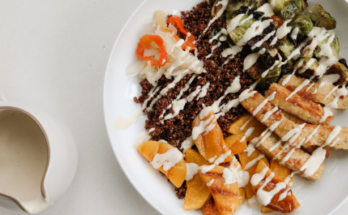
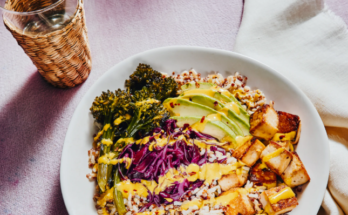
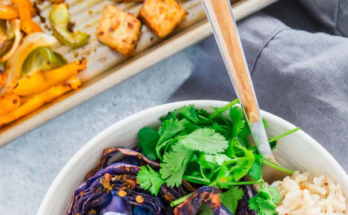
One of the simplest ways to practice balanced cooking is by combining methods within a single meal. A home chef might steam leafy greens to retain their nutrients while roasting root vegetables for a more robust flavor. At the same time, a lean protein could be lightly sautéed with a small amount of oil to create a pleasant texture without excessive fat. This combination ensures that no single technique dominates the meal, allowing for a more diverse and enjoyable eating experience.
Another important aspect of balanced cooking is temperature control. Cooking at extremely high temperatures for extended periods can diminish certain nutrients and alter the natural qualities of ingredients. By contrast, moderate heat applied thoughtfully can help maintain the integrity of food while still achieving desirable flavors. For instance, gently simmering soups allows ingredients to blend harmoniously without breaking down excessively. Similarly, quick stir-frying over controlled heat can preserve the crispness and color of vegetables while enhancing their taste.
The choice of cooking fats also plays a role in achieving balance. Using a variety of oils in moderation can contribute to both flavor and nutrition. Some oils are better suited for high-heat cooking, while others are ideal for finishing dishes or light sautéing. Rotating between different options helps avoid overdependence on a single type of fat and introduces subtle variations in taste. It also encourages mindful use, which aligns with the broader goal of balanced cooking.
Portioning and ingredient diversity are closely connected to cooking methods. Preparing a meal that includes a range of vegetables, whole grains, and proteins naturally invites the use of different techniques. A grain might be boiled or steamed, vegetables might be roasted or sautéed, and proteins might be grilled or baked. This diversity not only improves the sensory experience of the meal but also supports a more comprehensive intake of nutrients. Balanced cooking is not just about how food is prepared but also about what is included on the plate.
Timing is another key factor that home chefs often overlook. Adding ingredients at the right moment during the cooking process can make a significant difference. Delicate vegetables, for example, should be added later in a dish to prevent overcooking, while sturdier ingredients can withstand longer cooking times. This approach ensures that each component is prepared appropriately, contributing to a harmonious final dish. Thoughtful timing reflects a deeper understanding of cooking methods and helps maintain both flavor and texture.
Balanced cooking also encourages reducing unnecessary processing. Simple techniques that highlight the natural qualities of ingredients often lead to better results. Fresh herbs added at the end of cooking can brighten a dish, while minimal seasoning allows the inherent flavors to shine. This does not mean avoiding seasoning altogether but rather using it in a way that complements rather than overwhelms. The goal is to create meals that feel wholesome and satisfying without relying on excessive additives.
Kitchen tools and equipment can support balanced cooking when used thoughtfully. Having access to a steamer, a sturdy pan, and an oven provides flexibility to apply different methods as needed. However, it is not necessary to have a large collection of tools. Even with basic equipment, home chefs can experiment with various techniques and discover what works best for their preferences. The emphasis is on adaptability and creativity rather than complexity.
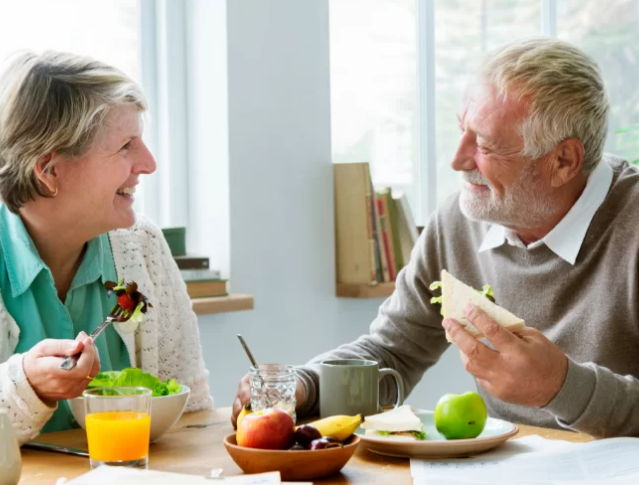
Learning to balance cooking methods also involves paying attention to personal needs and preferences. Every household is different, and what works for one person may not suit another. Some may prefer lighter meals with more steamed and raw components, while others may enjoy heartier dishes with roasted and baked elements. The key is to find a balance that feels sustainable and enjoyable over time. Cooking should be a positive experience that supports both physical and emotional well-being.
Consistency is more valuable than perfection in balanced cooking. It is not necessary to achieve an ideal balance in every single meal. Instead, focusing on gradual improvements and mindful choices can lead to lasting habits. Over time, home chefs develop an intuitive sense of how to combine methods effectively, making the process more natural and less effortful. This progression reflects the true essence of balanced cooking as a flexible and evolving practice.
Incorporating balanced cooking methods into daily life can also have a broader impact. It encourages a deeper appreciation for ingredients and the effort involved in preparing meals. It can foster a sense of connection with food and inspire more thoughtful consumption. By choosing a variety of techniques and paying attention to how food is prepared, home chefs can create meals that are both nourishing and enjoyable without unnecessary complexity.
Ultimately, balanced cooking is about harmony. It brings together different methods, ingredients, and approaches to create meals that support a well-rounded lifestyle. By embracing variety, controlling heat and timing, and focusing on the natural qualities of food, home chefs can build a cooking routine that is both practical and rewarding. This approach not only enhances the quality of meals but also transforms cooking into a meaningful and sustainable part of everyday life.