Healthy cooking does not have to feel like a rigid set of rules or a complete overhaul of your daily routine. Instead, it can become a natural extension of your lifestyle, shaped around your preferences, culture, schedule, and budget. When approached with flexibility and curiosity, preparing nutritious meals becomes less about restriction and more about creating food that supports your well-being while still bringing enjoyment to the table.
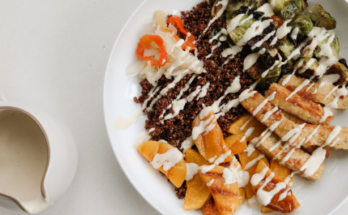
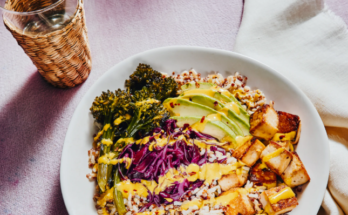
One of the most helpful ways to think about healthy cooking is to focus on balance rather than perfection. A balanced meal typically includes a mix of vegetables, proteins, whole grains, and healthy fats. This combination helps provide sustained energy and keeps you feeling satisfied. However, balance looks different for everyone. Someone with a busy work schedule may prefer simple, quick meals, while another person might enjoy spending more time experimenting in the kitchen. Both approaches can be equally healthy when they prioritize nourishment and variety.
Understanding your own routine is key to making healthy cooking sustainable. If your weekdays are packed, planning meals in advance can make a significant difference. Preparing ingredients ahead of time, such as washing vegetables or cooking grains in batches, allows you to assemble meals quickly without relying on less nutritious convenience options. On the other hand, if you enjoy spontaneous cooking, keeping a well-stocked pantry with versatile ingredients like beans, rice, spices, and frozen vegetables can help you create healthy dishes on the spot.
Flavor is an essential part of healthy cooking, and it should never be overlooked. Nutritious meals do not need to be bland. Herbs, spices, citrus, and natural seasonings can transform simple ingredients into something exciting. Learning how to build flavor without relying heavily on processed additives or excessive salt and sugar can elevate your cooking while supporting your health goals. Small changes, such as using garlic, ginger, or fresh herbs, can make meals more enjoyable and encourage consistency in your cooking habits.
Another important aspect is portion awareness rather than strict portion control. Listening to your body’s hunger and fullness cues can help guide how much you eat. Cooking at home gives you more control over portion sizes and ingredients, which can lead to a more mindful eating experience. Instead of measuring everything precisely, paying attention to how different foods make you feel can help you develop a more intuitive approach to eating.
Healthy cooking should also respect cultural preferences and personal tastes. Food is deeply connected to identity and tradition, and there is no need to abandon familiar dishes to eat well. Many traditional recipes can be adapted in simple ways, such as incorporating more vegetables, using leaner proteins, or adjusting cooking methods. For example, steaming, grilling, or baking can often replace frying without sacrificing flavor. These adjustments allow you to maintain a connection to your favorite meals while making them more aligned with your health goals.
Budget considerations are another important factor. Eating healthy does not have to be expensive. Seasonal produce, local markets, and staple ingredients like legumes and grains can provide excellent nutrition at a lower cost. Planning meals around what is available and affordable can help reduce food waste and keep your grocery spending manageable. Cooking larger portions and using leftovers creatively can also stretch your budget while saving time.
Your kitchen environment can influence your cooking habits more than you might expect. Keeping healthy ingredients visible and accessible encourages better choices. For instance, placing fresh fruit on the counter or pre-cut vegetables in the refrigerator makes it easier to reach for nutritious options. At the same time, organizing your kitchen in a way that supports efficiency can make cooking feel less like a chore and more like an enjoyable activity.
It is also helpful to approach healthy cooking with a mindset of progress rather than perfection. There will be days when you rely on takeout or convenience foods, and that is completely normal. What matters most is your overall pattern over time. Making small, consistent improvements can lead to meaningful changes without creating unnecessary pressure. Even incorporating one home-cooked meal a day can have a positive impact.
Hydration and cooking methods go hand in hand with healthy eating. Preparing meals that include water-rich foods like vegetables and soups can contribute to overall hydration. Choosing cooking techniques that preserve nutrients, such as steaming or lightly sautéing, can help maintain the natural benefits of ingredients. Avoiding overcooking is a simple way to retain both flavor and nutritional value.
Social aspects of cooking should not be underestimated. Sharing meals with family or friends can enhance both the experience of eating and the motivation to cook. Involving others in meal preparation can make the process more enjoyable and less time-consuming. It also provides an opportunity to exchange ideas and discover new recipes that fit your lifestyle.
Technology can also support healthy cooking habits. There are many resources available, from simple recipe ideas to meal planning tools, that can help you stay organized and inspired. However, it is important to choose sources that align with balanced and realistic approaches to nutrition rather than extreme or restrictive trends. Reliable information can empower you to make informed decisions without feeling overwhelmed.
Ultimately, healthy cooking is not about following a single formula. It is about creating a way of eating that works for you and evolves over time. Your preferences, schedule, and needs may change, and your approach to cooking can adapt accordingly. By focusing on balance, flavor, practicality, and enjoyment, you can build habits that support your well-being in a sustainable way.
When healthy cooking fits naturally into your lifestyle, it becomes less of an obligation and more of a rewarding part of your daily routine. The goal is not to achieve perfection but to create a positive relationship with food that nourishes both your body and your sense of satisfaction.