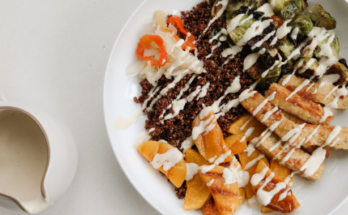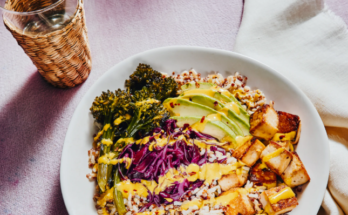
Cooking nutritious meals at home does not require professional training or expensive ingredients. With a few practical habits and thoughtful choices, anyone can prepare food that supports health while still being enjoyable and satisfying. The key is to focus on balance, simplicity, and consistency rather than perfection. By building a routine around wholesome ingredients and efficient cooking methods, it becomes easier to maintain a nourishing diet in everyday life.
A good starting point is to understand the importance of whole foods. Ingredients that are minimally processed tend to retain more nutrients and natural flavor. Fresh vegetables, fruits, whole grains, legumes, nuts, seeds, and lean proteins provide a solid foundation for most meals. When possible, choosing seasonal produce can improve both taste and affordability. Seasonal ingredients are often fresher and require less enhancement, which makes cooking simpler and more rewarding.
Planning meals ahead of time can make a significant difference in maintaining healthy eating habits. Without a plan, it is easy to rely on convenience foods that may lack nutritional value. Setting aside a little time each week to think about meals helps ensure a balanced intake of nutrients. It also reduces food waste and saves time during busy days. Even a simple outline of meals can help guide grocery shopping and prevent last-minute decisions that may not support health goals.
Another helpful practice is to keep cooking methods straightforward. Techniques such as steaming, grilling, baking, and sautéing preserve nutrients while enhancing natural flavors. Using moderate heat and avoiding overcooking can help maintain the integrity of ingredients. For example, lightly steaming vegetables keeps them vibrant and crisp, while baking proteins like fish or chicken allows for even cooking without excessive added fats. Simple methods often bring out the best in ingredients without unnecessary complexity.
Seasoning plays an important role in making nutritious meals appealing. Herbs, spices, citrus, and natural flavorings can transform basic ingredients into something exciting. Instead of relying heavily on salt or processed sauces, experimenting with garlic, ginger, turmeric, basil, or lime can add depth and variety. These additions not only enhance taste but may also provide additional health benefits. A well-seasoned dish encourages consistent healthy eating because it feels satisfying rather than restrictive.
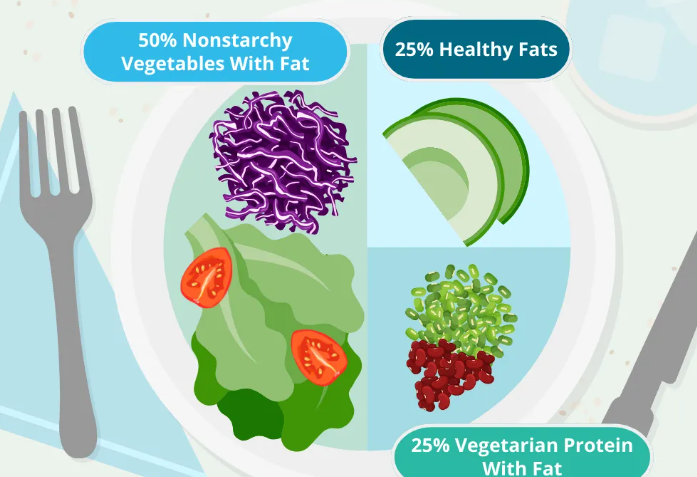
Portion awareness is another key aspect of nutritious cooking. Even healthy foods can be less beneficial when consumed in excessive amounts. Learning to recognize balanced portions helps maintain energy levels and supports overall wellness. A useful approach is to fill half the plate with vegetables, a quarter with protein, and a quarter with whole grains or other complex carbohydrates. This simple structure helps ensure a variety of nutrients without requiring strict measurement or complicated calculations.
Efficiency in the kitchen can make healthy cooking more sustainable. Preparing ingredients in advance, such as washing and chopping vegetables or cooking grains in batches, saves time during the week. Having ready-to-use components makes it easier to assemble meals quickly, reducing the temptation to choose less nutritious options. Storing prepared ingredients properly also helps maintain freshness and prevents spoilage, which contributes to both convenience and cost savings.
Hydration is often overlooked when thinking about nutritious meals, but it is closely connected to overall health. Including water-rich foods such as cucumbers, tomatoes, and fruits can complement regular fluid intake. Soups and broths are another way to incorporate hydration into meals while providing warmth and comfort. Paying attention to hydration supports digestion and helps the body make better use of the nutrients consumed.
Mindful cooking and eating can enhance the experience of preparing nutritious meals. Taking time to focus on the process, from selecting ingredients to enjoying the final dish, encourages a stronger connection to food. This awareness can lead to better choices and a greater appreciation for the effort involved in cooking. Eating slowly and without distractions allows the body to recognize fullness and satisfaction, which supports balanced consumption.
Flexibility is important when developing cooking habits. Not every meal needs to be perfect to be beneficial. Allowing room for personal preferences, cultural influences, and occasional indulgences helps create a sustainable approach to nutrition. The goal is to build a pattern of eating that supports well-being over time, rather than striving for strict rules that may be difficult to maintain. Small, consistent improvements often lead to meaningful long-term results.
Food safety is another essential consideration in the kitchen. Proper handling, storage, and cooking temperatures help prevent foodborne issues and ensure meals remain safe to eat. Washing hands and surfaces, keeping raw and cooked foods separate, and storing perishables at appropriate temperatures are simple practices that protect health. These habits become second nature over time and contribute to a more confident cooking experience.
Using available resources wisely can also support nutritious cooking. Affordable staples like beans, lentils, rice, and frozen vegetables provide excellent nutritional value and can be incorporated into a wide variety of dishes. These ingredients are versatile and can be combined with fresh items to create balanced meals without exceeding a budget. Being resourceful encourages creativity and makes healthy eating more accessible.
Finally, building confidence in the kitchen takes time and practice. Trying new recipes, adjusting flavors, and learning from experience all contribute to developing skills. Mistakes are part of the process and often lead to improvement. Over time, cooking becomes less of a task and more of a routine that supports both health and enjoyment.
By focusing on simple techniques, thoughtful planning, and a balanced approach, preparing nutritious meals becomes an achievable and rewarding part of daily life. With consistency and a willingness to adapt, anyone can create meals that nourish the body while bringing comfort and satisfaction to the table.