Easy healthy cooking for everyday life is less about strict rules and more about building simple habits that fit naturally into your routine. Many people assume that eating well requires expensive ingredients, complicated recipes, or hours in the kitchen. In reality, healthy cooking can be approachable, flexible, and even enjoyable when you focus on balance, convenience, and flavor.
At the heart of everyday healthy cooking is the idea of using whole, minimally processed ingredients. Fresh vegetables, fruits, grains, legumes, and lean proteins form the foundation of meals that nourish your body and support long-term well-being. You do not need to completely avoid packaged foods, but choosing items with simple ingredient lists can make a meaningful difference over time. Cooking at home allows you to control what goes into your meals, which helps you reduce excess sugar, salt, and unhealthy fats without sacrificing taste.
Planning ahead can make healthy cooking much easier. Taking a little time to think about meals for the week helps reduce last-minute stress and the temptation to rely on less nutritious options. This does not mean you need a strict meal plan. Even a rough idea of what you might cook for a few days can save time and energy. Keeping your kitchen stocked with versatile staples such as rice, pasta, beans, eggs, frozen vegetables, and basic spices allows you to prepare a wide range of meals without needing frequent trips to the store.
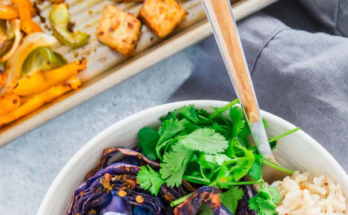
Another helpful approach is to simplify your cooking methods. You do not need advanced skills to prepare healthy food. Basic techniques like steaming, sautéing, roasting, and boiling can be used to create satisfying meals with minimal effort. For example, roasting vegetables with a little oil and seasoning can bring out natural flavors and create a comforting dish that pairs well with many proteins. Similarly, a simple stir-fry with vegetables, tofu, chicken, or fish can be ready in minutes and easily adjusted to suit your taste.
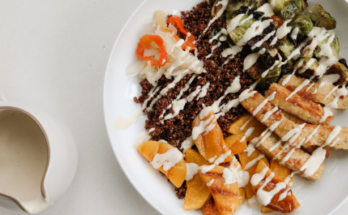
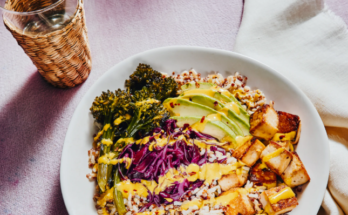
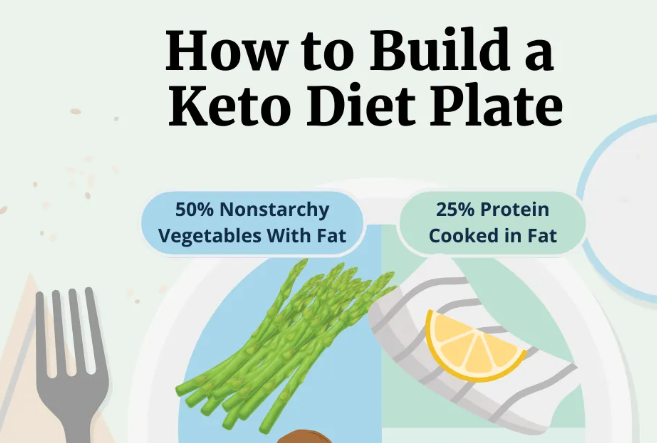
Portion balance is also an important part of healthy cooking. Instead of focusing on restriction, think about creating meals that include a mix of food groups. A balanced plate might include vegetables, a source of protein, and a portion of whole grains or starchy foods. This combination can help you feel full and energized without overcomplicating your choices. Listening to your body’s hunger and fullness cues can guide you in finding the right portions for your needs.
Time is often one of the biggest challenges people face when trying to cook at home. To make healthy cooking more practical, consider preparing ingredients in advance. Washing and chopping vegetables, cooking grains, or marinating proteins ahead of time can significantly reduce cooking time during busy days. Batch cooking is another effective strategy. Preparing a larger quantity of food and storing portions for later can ensure that you always have something ready to eat, even when your schedule is full.
Flavor plays a key role in making healthy meals enjoyable. Many people worry that nutritious food will be bland, but this is far from the truth. Herbs, spices, citrus, garlic, and onions can transform simple ingredients into flavorful dishes. Experimenting with different combinations can help you discover what you enjoy most. Healthy cooking does not mean giving up your favorite flavors. Instead, it encourages you to explore ways to achieve those flavors with more balanced ingredients.
Flexibility is essential for maintaining a sustainable approach to cooking. There will be days when you have more time and energy to prepare meals, and other days when you need something quick and simple. Both situations are normal. Keeping a few easy recipes in your routine can help you stay consistent without feeling overwhelmed. Even a basic meal like scrambled eggs with vegetables or a bowl of rice with sautéed greens and beans can be nutritious and satisfying.
Healthy cooking also connects closely with mindful eating. Taking the time to sit down and enjoy your meals can enhance your overall experience and help you feel more satisfied. Eating slowly allows you to notice flavors and textures while also giving your body time to recognize when it is full. This practice can support a more balanced relationship with food and reduce the tendency to overeat.
Cost is another concern for many people, but healthy cooking does not have to be expensive. Choosing seasonal produce, buying in bulk, and using frozen fruits and vegetables can help keep costs manageable. Simple meals made with affordable ingredients can be just as nourishing as more elaborate dishes. For example, a pot of vegetable soup or a bean-based stew can provide multiple servings at a low cost while still delivering important nutrients.
Involving family or housemates in cooking can make the process more enjoyable and sustainable. Sharing responsibilities such as meal planning, grocery shopping, or preparation can reduce the workload and create opportunities to connect. Cooking together can also encourage healthier habits across the household, especially when everyone has a role in choosing and preparing meals.
It is important to approach healthy cooking with a sense of balance rather than perfection. Occasional indulgences are a normal part of life and do not undo your overall efforts. Focusing on consistent, small improvements is more effective than aiming for an unrealistic ideal. Over time, these small changes can lead to meaningful benefits for your health and well-being.
Building confidence in the kitchen takes practice, but it does not require special talent. Starting with a few simple recipes and gradually expanding your skills can help you feel more comfortable. Mistakes are a natural part of learning, and each experience can teach you something new. With time, you may find that cooking becomes not just a task, but a rewarding part of your daily routine.
Easy healthy cooking for everyday life is about creating a system that works for you. By keeping things simple, planning ahead, and focusing on balance and flavor, you can develop habits that support your health without adding stress. The goal is not to follow strict rules, but to build a flexible approach that fits your lifestyle and helps you feel your best each day.