Fresh and simple cooking methods have become increasingly popular as more people look for ways to prepare meals that are both nourishing and easy to make. In a world where time is often limited and attention is divided, the idea of cooking does not need to feel overwhelming or complicated. Instead, it can be an enjoyable and approachable part of everyday life. By focusing on straightforward techniques and accessible ingredients, anyone can create satisfying meals while maintaining a sense of balance and well-being.
At the heart of simple cooking is the idea of using fresh ingredients. Fresh vegetables, fruits, grains, and proteins naturally carry flavor, texture, and nutritional value without the need for excessive processing or heavy additions. When ingredients are fresh, they often require less seasoning or manipulation to taste good. A ripe tomato, for example, can be delicious with just a pinch of salt, while freshly cooked rice can be satisfying on its own or paired with lightly sautéed vegetables.
One of the easiest ways to embrace simple cooking is by relying on basic preparation methods. Steaming is a gentle technique that preserves both nutrients and natural flavor. Vegetables such as broccoli, carrots, and leafy greens can be steamed quickly, resulting in a vibrant and tender dish that pairs well with a variety of meals. Steaming also avoids the need for large amounts of oil, making it a practical choice for those seeking lighter options.
Another method that supports simplicity is sautéing. This technique uses a small amount of oil and moderate heat to cook ingredients quickly. Sautéing works well with vegetables, lean proteins, and even grains like rice or noodles. By keeping the cooking time short, ingredients retain their texture and freshness. Adding herbs such as garlic, basil, or ginger can enhance flavor without making the dish complicated.
Boiling is often overlooked but remains one of the most straightforward cooking methods. It is especially useful for preparing staples like pasta, potatoes, and legumes. When done carefully, boiling can produce consistent and comforting results. For instance, cooking beans from scratch allows for better control over texture and seasoning compared to pre-packaged options. Similarly, boiling vegetables briefly and then cooling them can help maintain their color and crispness.
Grilling offers another simple approach that brings out natural flavors through heat. Whether using an outdoor grill or a stovetop pan, grilling can add a subtle smoky taste without requiring elaborate preparation. Fresh vegetables, fish, and lean meats can be seasoned lightly and cooked quickly, making grilling both efficient and flavorful. The key is to avoid overcooking, allowing the natural qualities of the ingredients to shine.
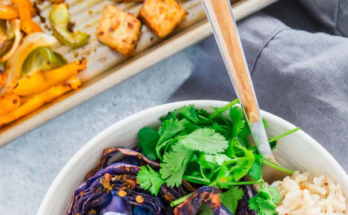
Baking is a versatile method that suits both savory and sweet dishes. It requires minimal hands-on effort once ingredients are prepared and placed in the oven. Roasting vegetables with a small amount of oil and seasoning can create a rich, caramelized flavor while still keeping the process simple. Baking also works well for proteins like chicken or fish, which can be cooked evenly without constant attention.
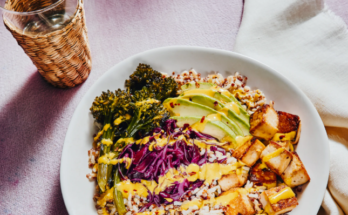
In addition to cooking methods, the idea of simplicity extends to meal planning. Preparing meals with a limited number of ingredients can reduce stress and make cooking more accessible. A dish does not need to include many components to be enjoyable. Combining a grain, a protein, and a vegetable often creates a balanced and satisfying meal. For example, a bowl of rice with grilled vegetables and a lightly seasoned protein can be both nourishing and easy to prepare.
Using seasonal ingredients is another way to support fresh and simple cooking. Seasonal produce is often more affordable and flavorful, making it a practical choice for everyday meals. It also encourages variety, as different fruits and vegetables become available throughout the year. This natural rotation can inspire creativity without adding complexity.
Kitchen organization also plays a role in maintaining simplicity. Keeping commonly used tools and ingredients within easy reach can make the cooking process smoother and more enjoyable. Basic tools such as a sharp knife, a cutting board, and a few reliable pots and pans are often enough to prepare a wide range of meals. There is no need for an extensive collection of equipment to cook well.
Time management is another important factor. Simple cooking methods often require less preparation and cleanup, making them ideal for busy schedules. Preparing ingredients in advance, such as washing and chopping vegetables, can save time during the week. Cooking larger portions and storing leftovers for later use can also reduce the need for daily meal preparation.
Fresh and simple cooking is not about strict rules or limitations. Instead, it is about finding a comfortable approach that fits individual preferences and lifestyles. It allows for flexibility and encourages experimentation without pressure. Trying new combinations of ingredients or adjusting flavors to suit personal taste can make cooking more enjoyable and rewarding.
Another benefit of simple cooking is the opportunity to connect with food in a more mindful way. Paying attention to the colors, textures, and aromas of fresh ingredients can enhance the overall experience. Cooking can become a moment of focus and creativity rather than just a task to complete. This perspective can help build a positive relationship with food and encourage healthier habits over time.
It is also worth noting that simple cooking can be shared with others. Preparing meals together can create meaningful moments with family or friends. Even basic dishes can become special when enjoyed in good company. Sharing recipes and cooking experiences can also inspire others to explore their own approach to fresh and simple meals.
In conclusion, fresh and simple cooking methods offer a practical and enjoyable way to prepare meals without unnecessary complexity. By focusing on basic techniques such as steaming, sautéing, boiling, grilling, and baking, and by using fresh, seasonal ingredients, anyone can create satisfying dishes with ease. Simplicity in cooking supports both convenience and well-being, making it an approach that can fit seamlessly into everyday life.